Why Your Tires Can't Handle the Speeds You Think
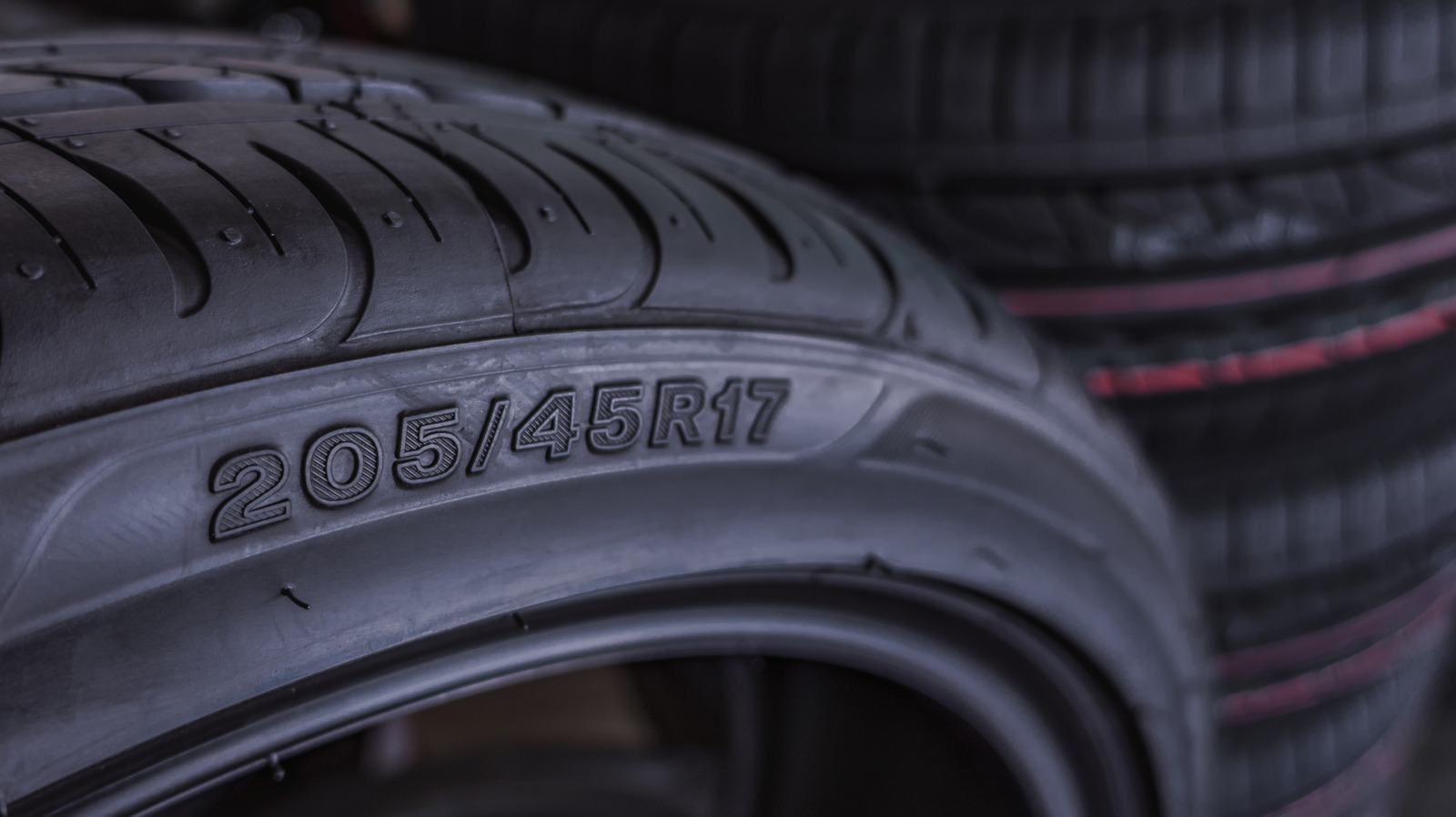
Tire technology has come a long way since Michelin pioneered the radial design, but there's a common misconception about how fast most tires can actually go. Modern tires come in symmetrical, directional, or asymmetrical tread patterns, and all-weather options now handle snow and slush better than standard all-seasons.
But beyond tread patterns, every tire carries a load index and a speed rating. The load index tells you the maximum weight a tire can support, while the speed rating indicates the highest speed it can sustain without deforming or failing.
Here's the catch: tires of the exact same size can have very different speed ratings. Take the Goodyear Assurance Finesse and Assurance Maxlife, both are 215/55/R17 all-season tires with a 1,477-pound load capacity. But the Finesse has an H rating (130 mph), while the Maxlife carries a V rating (149 mph).
Using the wrong rating can hurt handling, braking, and safety. The rule is simple: always match or exceed the manufacturer's recommended speed rating. Going higher is generally safe; dropping lower is risky. BFGoodrich points out that higher speed ratings often mean better traction and braking, though they wear faster.
Lower ratings may offer a smoother ride and longer tread life but sacrifice grip.
Wondering where to find this info? Check the tire's sidewall. The speed rating is the last letter in the sequence, right after the load index. In a P215/55R17 99W tire, the "W" equals 168 mph. You'll also find the recommended rating in your owner's manual or on a sticker inside the driver's door jamb.
Back in the 1970s, most tires were rated S (112 mph), T (118 mph), or H (130 mph). Today, high-performance tires can hit V (149 mph), Z (149+ mph), W (168 mph), or even Y (186 mph). So before you buy, double-check, because your tires might max out long before your engine does.
Source: Jalopnik
Plain-English guides to common problems and what they cost in Boca Raton, plus local shops.