Why Your Subaru’s Engine Might Outlive Its Transmission
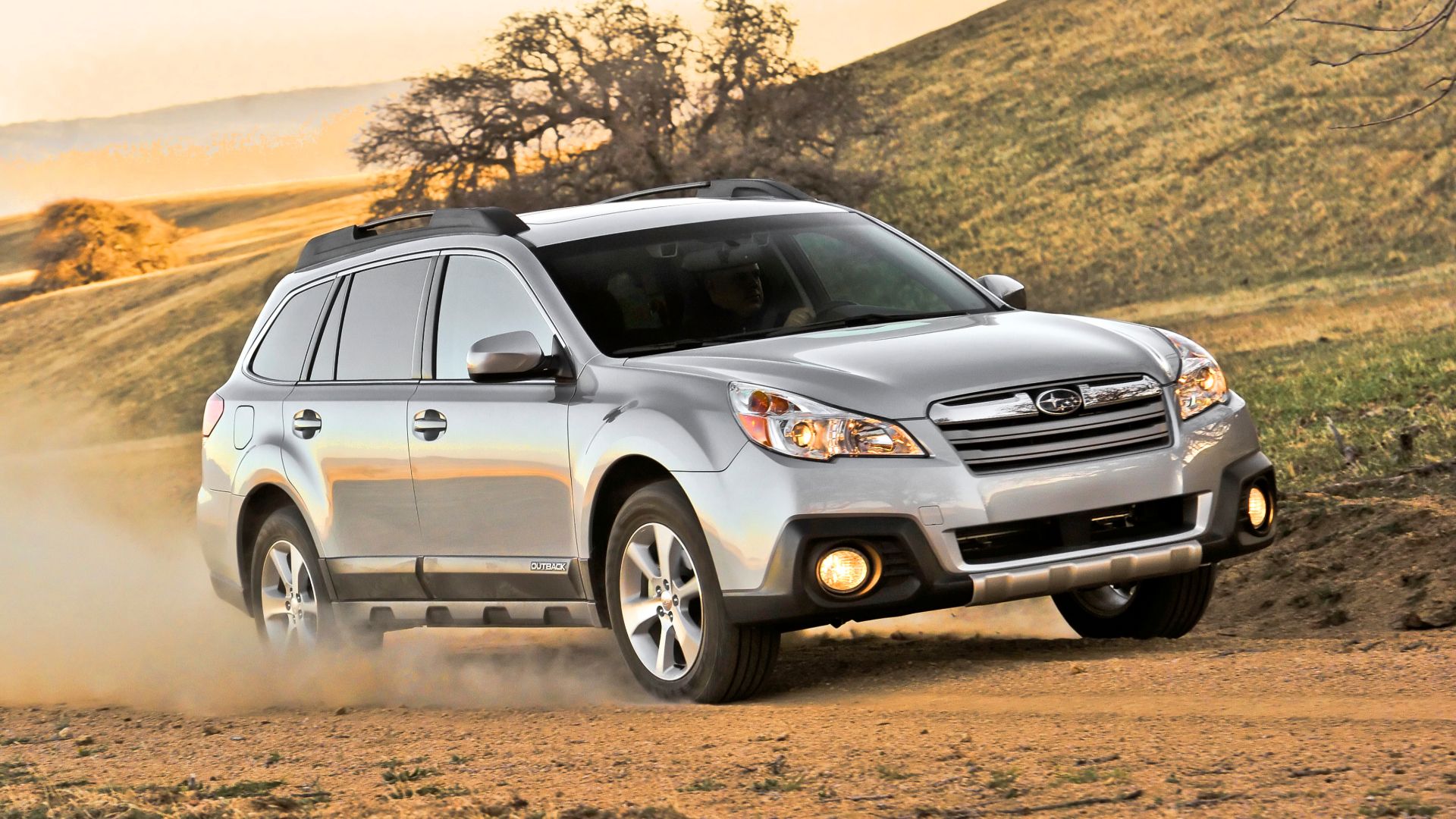
Subaru’s boxer engine is widely respected as one of the most durable powertrains on the market. But if you browse listings for used Outbacks or Foresters, you’ll notice something odd: very few examples with over 200,000 miles. Even 175,000-mile models are hard to find. The culprit isn’t the engine, it’s the Lineartronic CVT, a chain-driven transmission that tends to fail between 120,000 and 150,000 miles.
That’s the main reason so many Subarus never reach a quarter-million miles.
The boxer engine itself is a flat design with opposing cylinders that naturally cancel out vibration, reducing wear and improving heat dissipation. Subaru builds these engines with durable aluminum blocks, forged crankshafts, and cast-iron connecting rods. Owners often worry about oil leaks, but most cases come down to normal consumption or skipped maintenance.
As one Reddit user put it, Subaru intentionally loosened oil control rings to boost fuel economy, so a low oil light between changes isn’t necessarily a problem. Routine care keeps these engines running for decades, assuming the transmission holds up.
The CVT is a different story. Subaru once claimed the fluid was “lifetime,” but that term only covers the factory warranty period, about three years. Many owners never changed the fluid, leading to premature failure. On top of that, CVTs rely on friction rather than gear teeth, which generates more heat and wear.
S. shops won’t rebuild them. For example, a 2015 Forester had seven transmission failures reported at an average of 96,600 miles, with repair bills around $6,500.
6R with a five-speed automatic, or the 2012 Forester with a five-speed manual. Newer SUVs are CVT-only, so plan for the transmission as a long-term expense. With an annual maintenance cost around $617 and an engine built to last, many owners find the trade-off acceptable.
Source: CarBuzz
Plain-English guides to common problems and what they cost in Boca Raton, plus local shops.