Why Your Car's Spark Plug Seat Matters More Than You Think
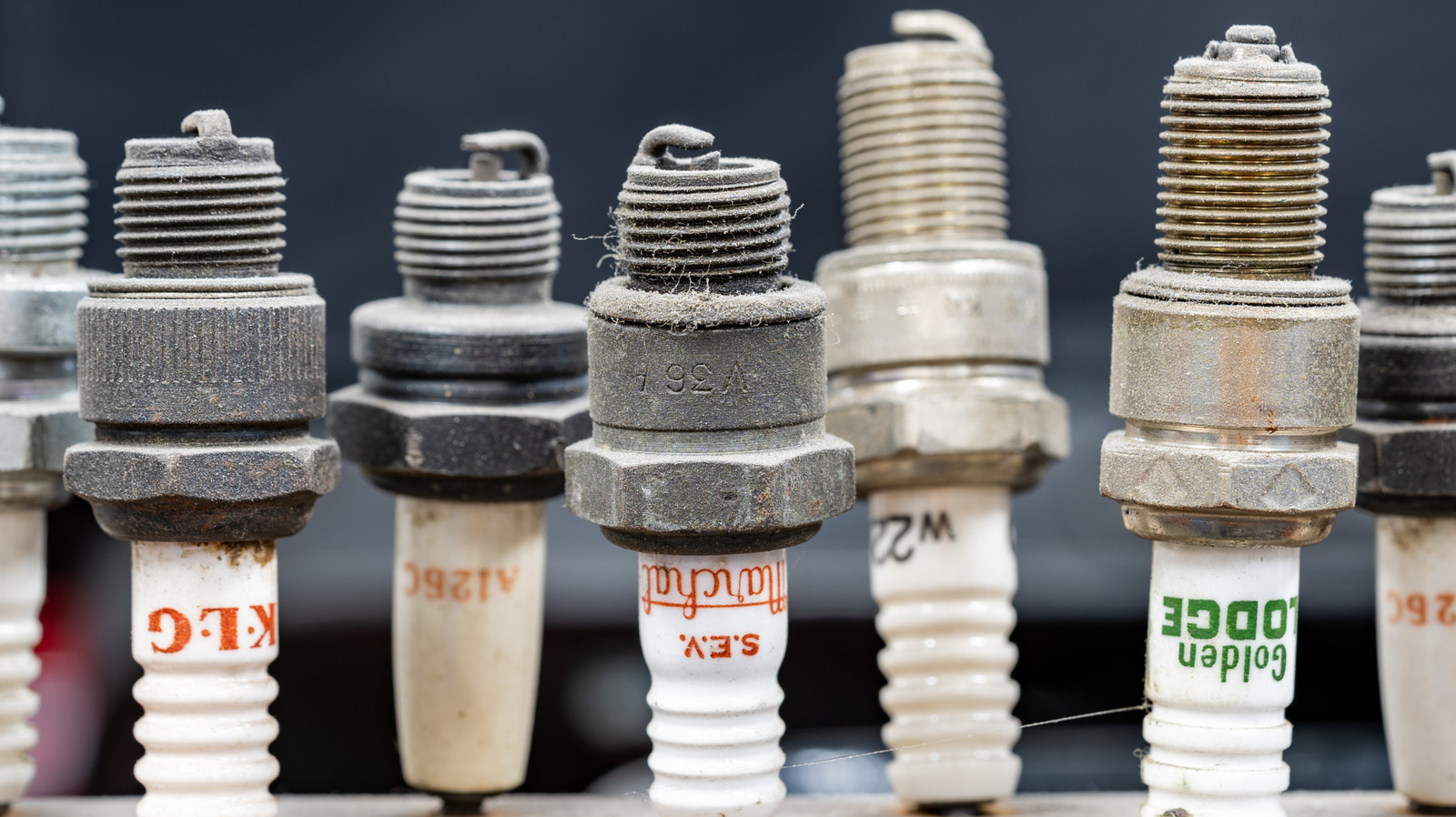
Most drivers know spark plugs are essential for starting the engine, but fewer realize they play a second critical role: sealing the combustion chamber. Inside a running engine, temperatures soar between 1,500 and 3,000 degrees Fahrenheit. The spark plug's metal shell threads into the cylinder head, helping pull heat away from the electrodes and into the engine's coolant system.
That seal, whether it's tapered or flat with a gasket, is what keeps pressure and gases where they belong.
Spark plugs come in two seat designs. A gasket-seat plug uses a crushable metal ring that compresses when tightened to form a seal. A tapered-seat plug has no gasket; instead, its angled shoulder mates directly with a matching angled port in the cylinder head. These two types are not interchangeable.
Your engine is designed specifically for one or the other, so always check the owner's manual before buying replacements.
Installing the wrong seat type can cause serious trouble. Forcing a tapered plug into a gasket-seat engine, or vice versa, can strip threads, lead to compression loss, and allow hot gases to escape (blow-by). That can trigger persistent misfires, strain the transmission and drivetrain, and ultimately result in expensive repairs.
Even with the correct plug, proper torque matters. Gasket plugs need enough crush to seal without overtightening, while tapered plugs can crack aluminum cylinder heads if over-torqued. Stick to factory specs and save yourself the headache.
Source: Jalopnik
Plain-English guides to common problems and what they cost in Boca Raton, plus local shops.