Why Your Car’s Engine Changed (And What It Means for Carbon Buildup)
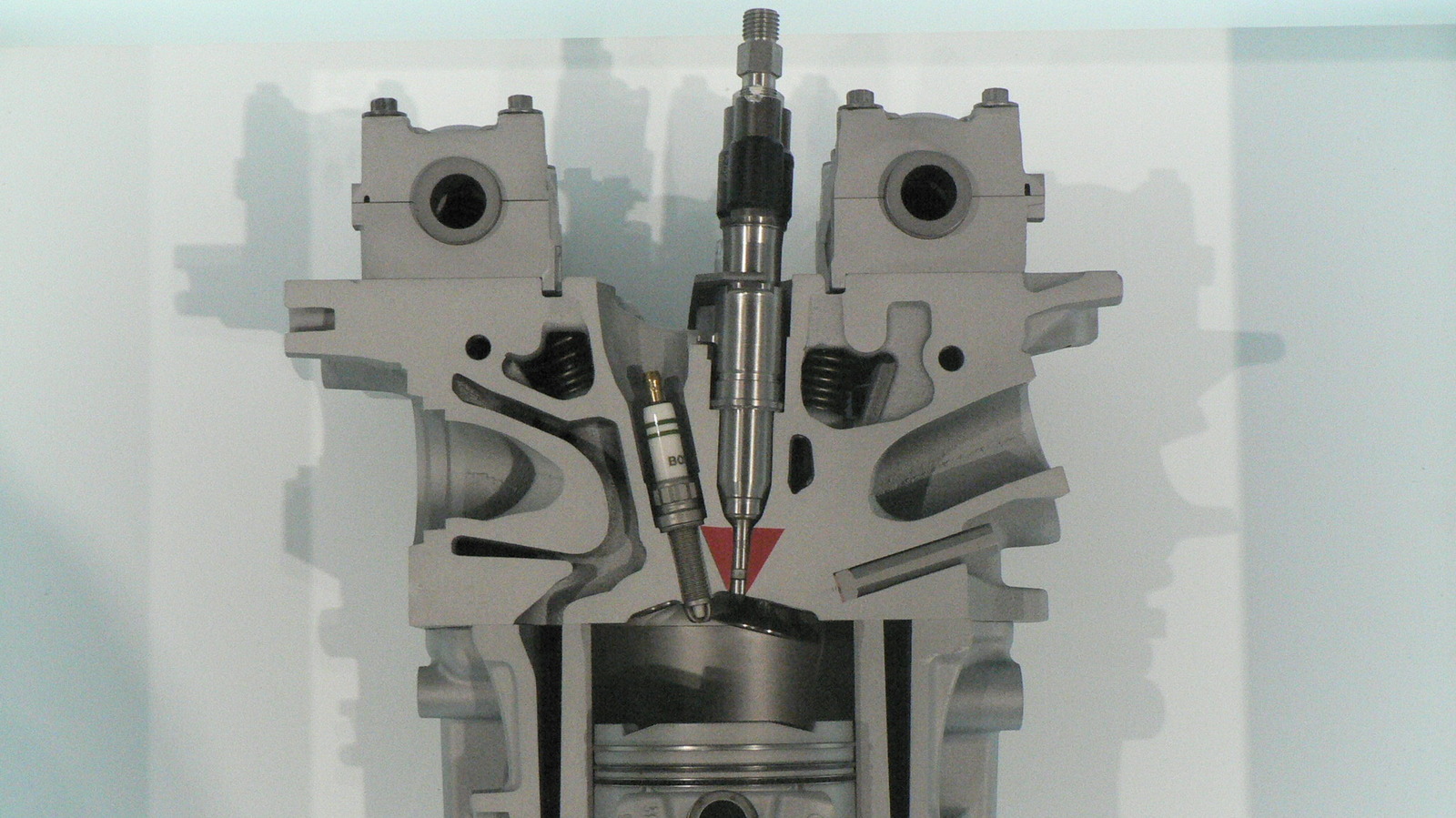
If you’ve bought a new car in the last decade—whether it’s a BMW, Audi, Mercedes-Benz, Lexus, or Honda—chances are it uses direct fuel injection. Automakers switched from older port injection to direct injection around 2004 because it delivers better power, better gas mileage, and lower emissions.
Instead of spraying fuel into the intake manifold, direct injection shoots fuel straight into the cylinder at high pressure. That lets the engine run more efficiently and produce more power from a smaller engine, which helps meet modern fuel-economy rules.
Sounds great, right? Mostly. But there’s a catch that owners of European and Japanese cars should know about. With port injection, fuel constantly washed over the intake valves, keeping them clean. Direct injection skips that step, so carbon, oil vapor, and dirt can build up on the valves over time.
That buildup can hurt performance, cause rough idling, and reduce fuel economy. It’s a common issue on many VW, Audi, BMW, and Toyota/Lexus engines, especially after 60,000 to 80,000 miles.
The good news? Regular maintenance can help. At Boca Auto Care, we see this often and can inspect your intake valves for carbon deposits during a routine service. For some engines, a professional cleaning (like walnut blasting or chemical decarbonization) restores performance. And many newer cars now combine direct and port injection to reduce the problem—Toyota’s D-4S system is a good example.
If you drive a Mercedes, Porsche, Volvo, Jaguar, or any hybrid from these brands, the same principles apply. Bring it by our shop—family-run since 1989—and we’ll take a look. No need to worry, just stay ahead of it.
Source: Jalopnik
Plain-English guides to common problems and what they cost in Boca Raton, plus local shops.