Why You Won’t See Magnesium Engine Blocks in Your German or Japanese Car
If you’ve ever wondered why your BMW, Mercedes, or Lexus doesn’t have a magnesium engine block, you’re not alone. On paper, magnesium sounds perfect—it’s 75% lighter than steel, 33% lighter than aluminum, and great at muffling noise. But in practice, three stubborn problems keep it out of most engines: cost, corrosion, and heat.
Back in the 1930s, Ferdinand Porsche used magnesium in the original Volkswagen Beetle’s engine and gearbox to keep weight down. BMW later tried it with their N52 inline-6 engine, using aluminum liners inside the magnesium block to handle heat and corrosion. It worked, but it was complex and expensive.
The big issue? Magnesium hates moisture and salt. In a wet environment, if it touches another metal, it corrodes fast—sacrificing itself to protect the other metal. That makes multi-material modern engines tough to build around magnesium without costly coatings. And while magnesium fires are rare, they burn hot and are hard to put out, which makes engineers cautious.
Cost is another headache. Magnesium prices can swing wildly—they nearly doubled in 2021. Automakers often swap magnesium parts for cheaper materials in later model years, undoing the original weight savings.
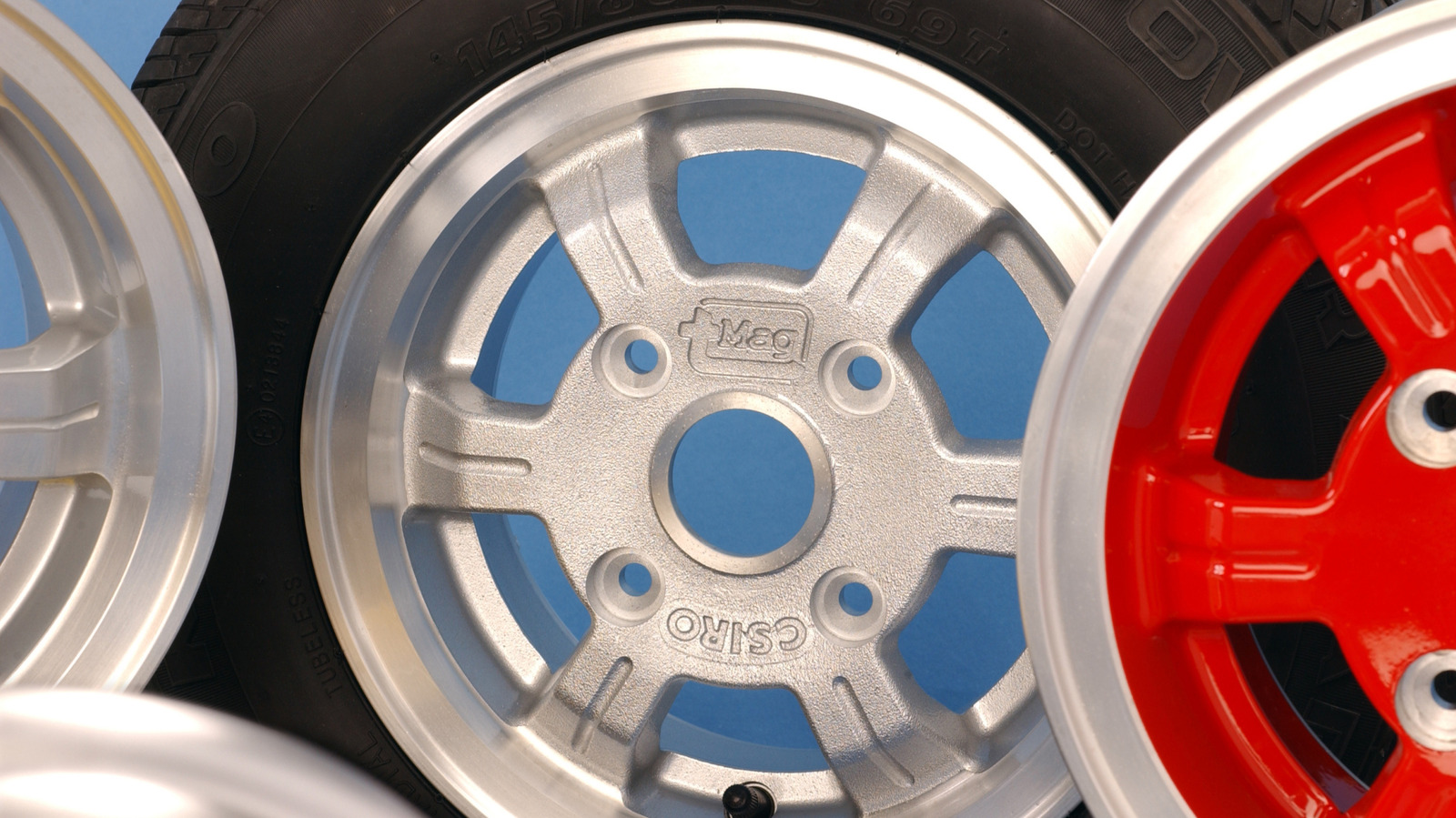
So where does magnesium shine? In parts that don’t see much corrosion: steering column brackets, seat frames, and even the Porsche 911 GT3 RS’s magnesium wheels (saving nearly 18 pounds). But for engine blocks in your Audi, Volvo, or Honda, aluminum remains the smarter, more reliable choice.
If you’re concerned about any recalls or service issues on your European or Japanese vehicle, bring it by Boca Auto Care—we’ll take a look and give you straight talk, no pressure.
Source: Jalopnik
Plain-English guides to common problems and what they cost in Boca Raton, plus local shops.