Why You Always Pay a Core Charge for a New Car Battery
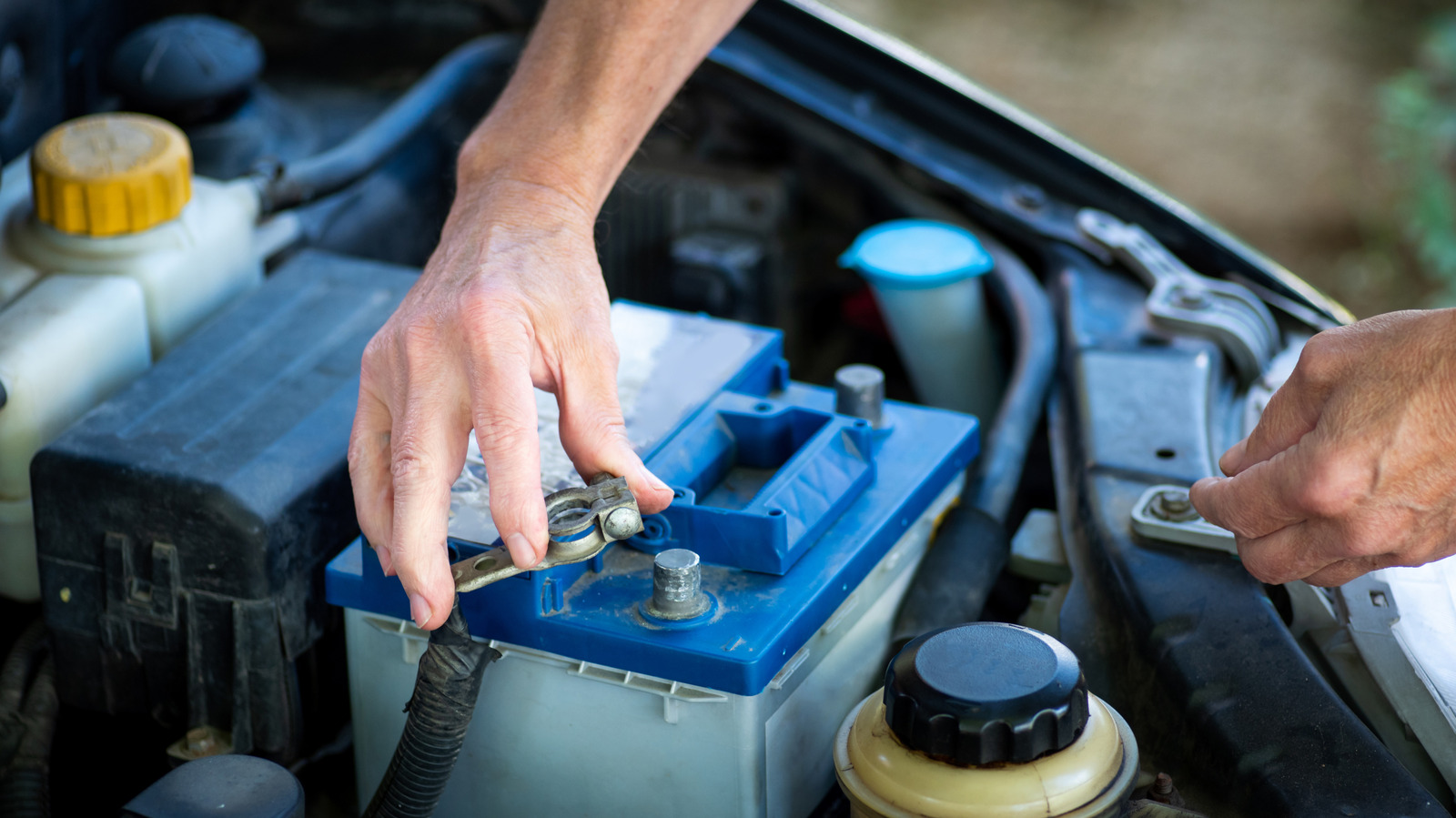
That extra fee on your new car battery isn't just a money grab, it's a deposit designed to keep toxic lead out of landfills. Lead is dangerous, especially to children and pregnant women, and can cause brain damage, premature births, and other illnesses. S. state has its own system to push recycling, and the core charge is the main tool.
The Battery Council International compares it to renting a keg: you pay a fee if you don't return the old battery. It works, Americans recycle nearly 100% of lead-acid batteries, thanks to charges ranging from $5 to $20. But the system isn't perfect. S. still relies on new lead because there aren't enough smelters to process all of it.
In 2025, the Department of the Interior even labeled lead a vital critical mineral.
Recycling itself isn't clean everywhere. A New York Times investigation found poison in farms and soccer fields near battery plants in Africa, and a shuttered Exide plant near Los Angeles exposed up to 250,000 residents to lead. S. recyclers use advanced methods to capture lead particles, those practices aren't global.
The core charge still keeps most batteries out of the trash, but lead contamination remains a worldwide problem.
Source: Jalopnik
Plain-English guides to common problems and what they cost in Boca Raton, plus local shops.