Why This Hypercar Icon Is Betting Against Electric Supercars
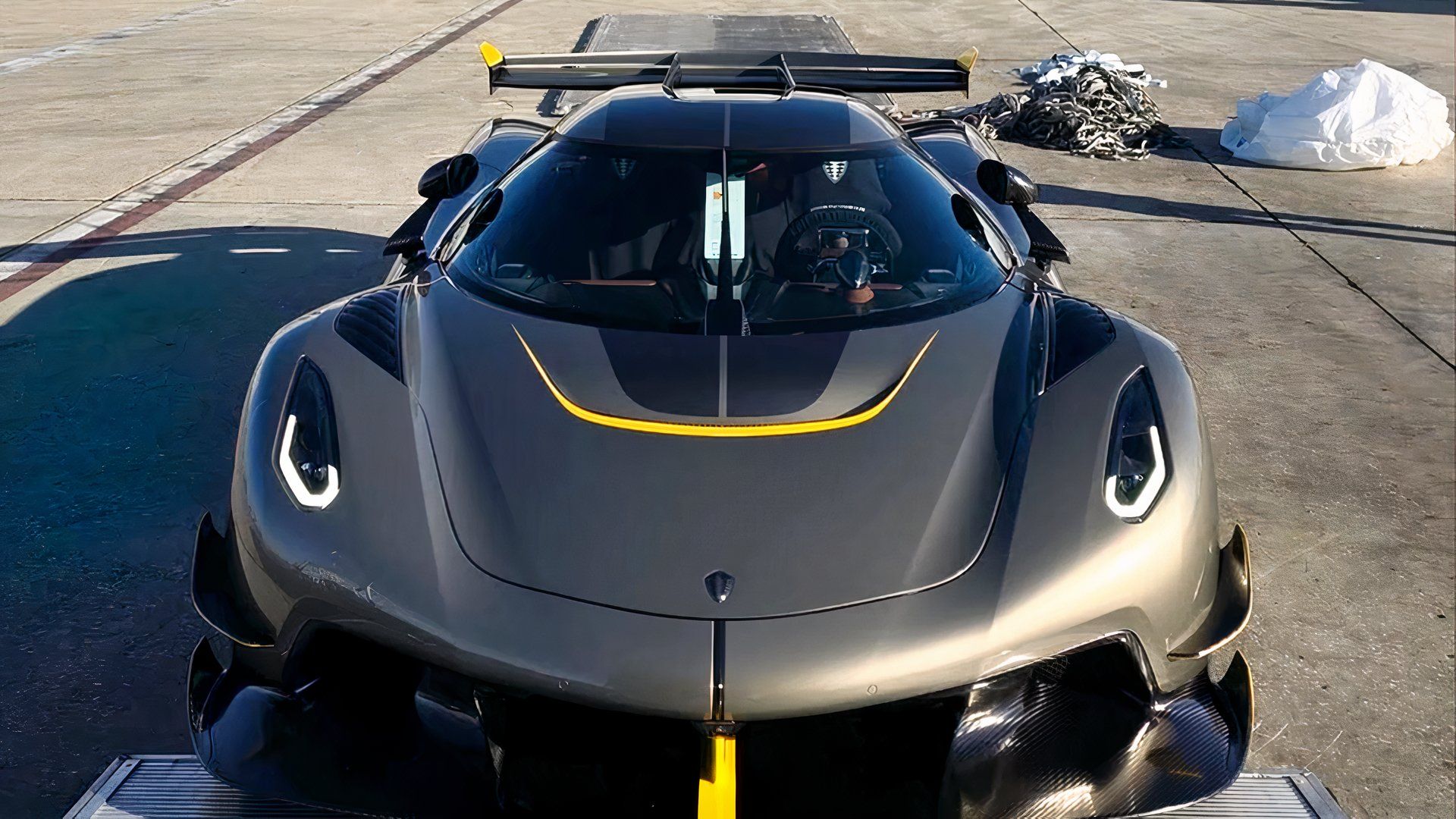
While the rest of the hypercar world races toward electrification, one Swedish outlier is slamming the brakes. Koenigsegg recently told Motor1 that pure electric powertrains have no place in its future lineup—a bold stance that puts it alone at the top of the performance mountain.
But this isn't nostalgia or stubbornness. It's a sharp engineering argument about what a hypercar should actually be.
The core of Koenigsegg's case is simple: energy density. No battery, no matter how advanced, can match the weight-to-energy ratio of liquid fuel. At the extreme performance levels where Koenigsegg lives, adding the battery mass required for meaningful range and sustained power would sabotage the weight targets that define the brand.
Then there's the driving character. 0-liter twin-turbo V8 screams to 8,500 rpm, delivering 1,600 horsepower on E85 with a power curve that rewards driver skill. An electric motor's instant torque is a different experience—not necessarily worse, but fundamentally not what a Koenigsegg is supposed to be.
Koenigsegg isn't ignoring emissions. The brand is betting on alternative fuels—specifically E85 ethanol and synthetic fuels—as the path forward. The Jesko already runs cleaner and stronger on E85 than on gasoline. Synthetic fuels, made from captured carbon and renewable energy, preserve the energy density advantage without the infrastructure overhaul.
This puts Koenigsegg in a unique spot as Ferrari, Lamborghini, and Bugatti all converge on hybrid or electric formulas. The upcoming pure hypercar will be combustion-first, alternative-fuel capable, and free from the weight penalties of large battery packs. In a segment drifting toward silent torque, Koenigsegg is doubling down on mechanical drama—and betting the best engineers, running the right fuel, still have more to say.
Source: HotCars
Plain-English guides to common problems and what they cost in Boca Raton, plus local shops.