Why Teslas and Other EVs Can Make You Carsick - and What’s Behind It
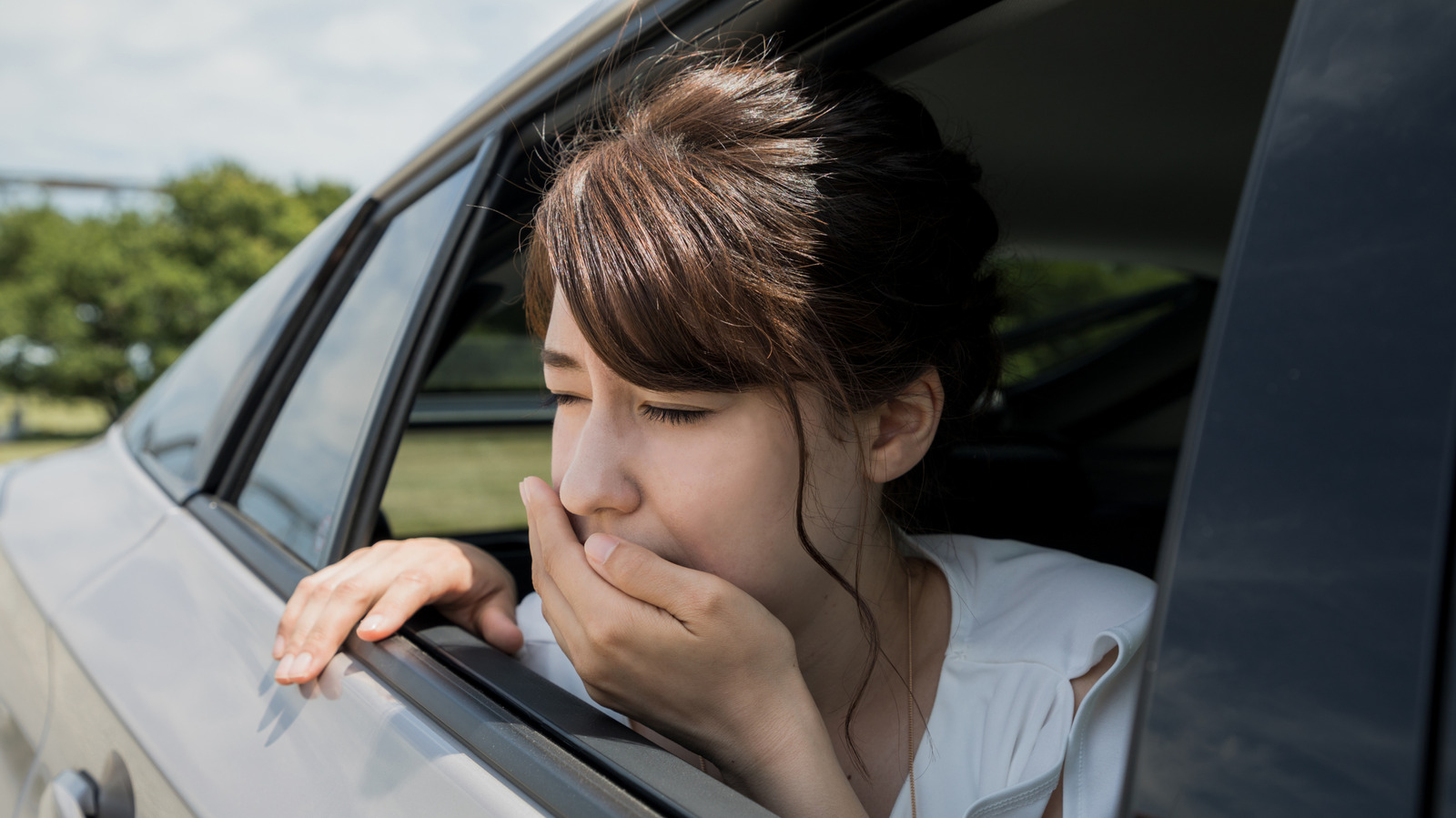
If you’ve ever felt a wave of nausea when your rideshare turns out to be a Tesla, you’re not alone. Getting carsick in the back of an electric vehicle, even when you’re fine in a gas-powered car, is a real phenomenon, and it’s not usually about politics.
The main culprit is regenerative braking, especially in one-pedal driving mode. In many EVs, lifting your foot off the accelerator triggers strong braking, which can feel like sudden deceleration without warning. This is harder to smooth out than traditional coasting, especially if the driver isn’t gentle with the pedal.
EVs also tend to produce more torque at low speeds, leading to abrupt acceleration. On top of that, they’re much quieter than gas cars. Motion sickness often happens when your brain gets mixed signals, your body feels movement, but your ears don’t hear the engine sounds they’re used to.
That mismatch can trigger queasiness.
The good news is that drivers can learn smoother braking, and automakers can improve EV comfort over time. But that doesn’t help much if you’re stuck in the back of a jerky Model Y today. If that’s you, the article suggests considering motion sickness medication before your next EV ride.
Source: Jalopnik
Plain-English guides to common problems and what they cost in Boca Raton, plus local shops.