Why summer heat can affect your brakes - and what to do about it
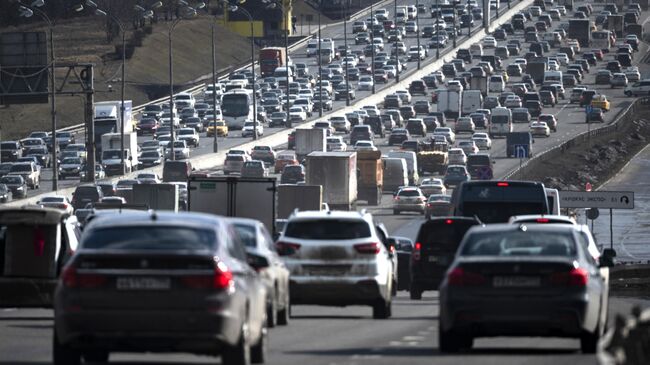
As temperatures rise, a car's braking system is at extra risk. An auto expert from Gazprombank Autoleasing says that in summer traffic jams, heat can make brake fluid boil and create vapor locks. Drivers may feel the brake pedal go soft, sometimes described as "cottony."
To avoid trouble, check brake fluid levels regularly, replace it on time, and use a deliberate braking technique. If the pedal sinks while driving, press it firmly several times to push out possible air locks. If that doesn't work, slow down with the engine by shifting to lower gears and use the parking brake as a backup.
Afterward, have the car inspected at a service center.
Watch for warning signs of degraded fluid: a longer stopping distance and a soft pedal with a slow response. Experts say the best way to know if the fluid needs changing is to have it checked, especially if you don't know when it was last replaced. Under normal use, brake fluid should be changed every two years or every 30,000-40,000 kilometers.
Drivers with an aggressive style and sports-car owners should cut that interval roughly in half. And don't trust advice that says simply keeping an eye on the level is enough, the fluid has to be replaced to restore its properties.
Source: RIA Novosti
Plain-English guides to common problems and what they cost in Boca Raton, plus local shops.