Why Modern Cars Cost So Much to Fix: Blame the Hidden Tech
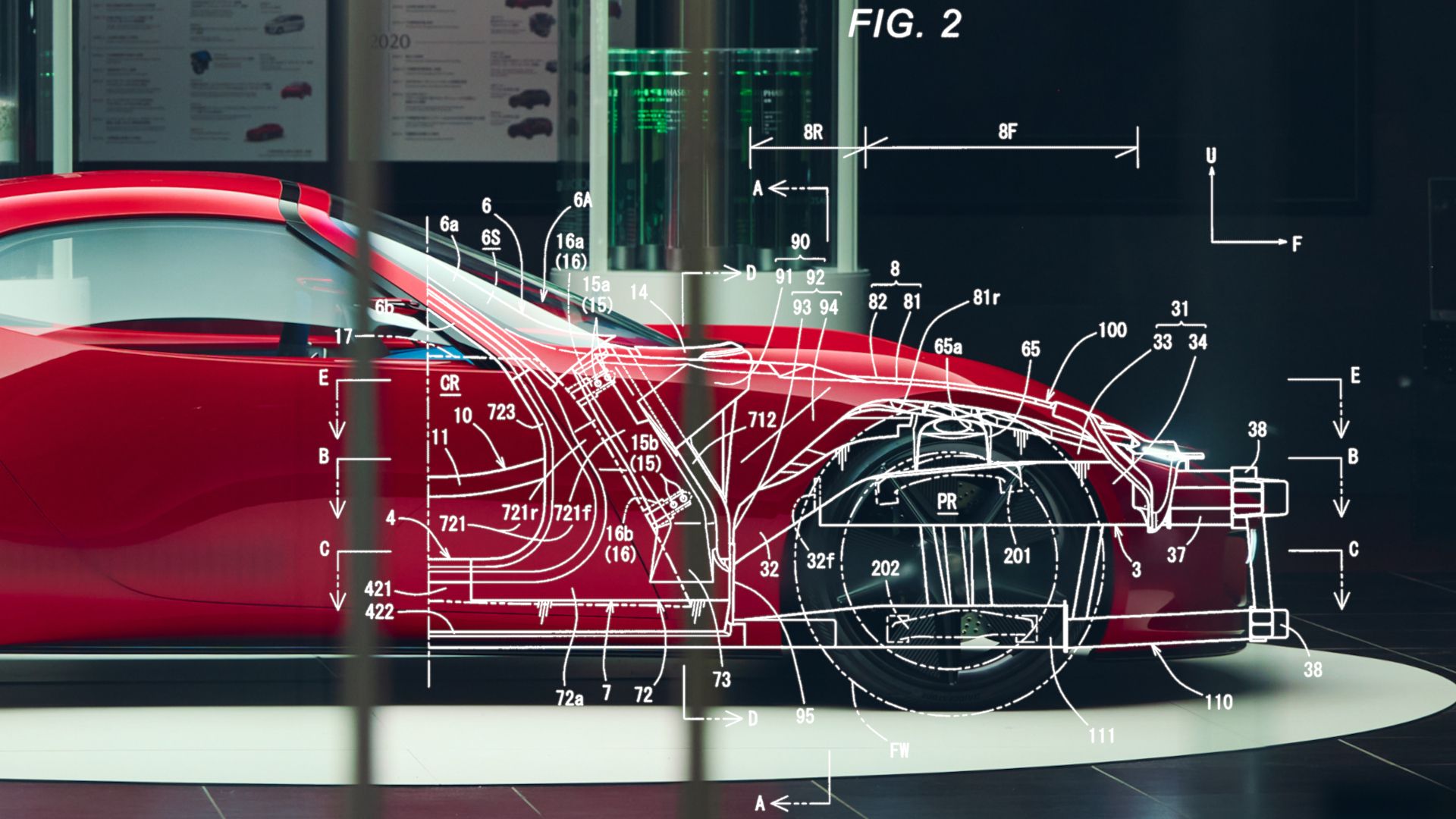
Modern cars are essentially rolling computer networks, and that complexity is driving up repair costs. Advanced driver-assistance systems rely on cameras, radar, lidar and multiple electronic control modules. Even common features like adaptive cruise control and blind-spot monitoring require all that hardware working together.
Small damage can produce surprisingly large bills. A parking sensor costs $100 to $300, and radar or lidar units can cost $900 to $2,000 each. Sensors often need calibration after a repair, which calls for specialized shop equipment that can cost tens of thousands of dollars and takes one to two hours.
Bumpers are no longer simple parts: they are designed with crush characteristics tied to the car’s crumple zones, so cracks near mounting points usually mean replacement. Stories about minor crashes setting off airbags and totaling a car have a real basis, since airbags are expensive to replace.
Safety engineering is behind much of this. 7% drop from 2024. Airbags, side-impact protection and better energy absorption reduce injuries, and organizations like IIHS are now focusing more on accident prevention. But driver education and road layout remain outside automakers’ control.
For repair shops and insurers, expensive sensors and specialized training are the new normal. Costs may fall as sensors mature and systems become standardized, modular and self-calibrating. The Slate truck shows one possible future: body panels that unbolt easily and can be vinyl-wrapped instead of painted.
Legacy automakers could also help by offering smaller wheels, because replacing large 20-inch alloys is costly. In the end, automakers have little incentive to simplify repairs, as parts and service are profitable. A new player like Slate may be the one to change that.
Source: CarBuzz
Plain-English guides to common problems and what they cost in Boca Raton, plus local shops.