Why Mechanics Call Honda's K-Series an Engineering Masterpiece
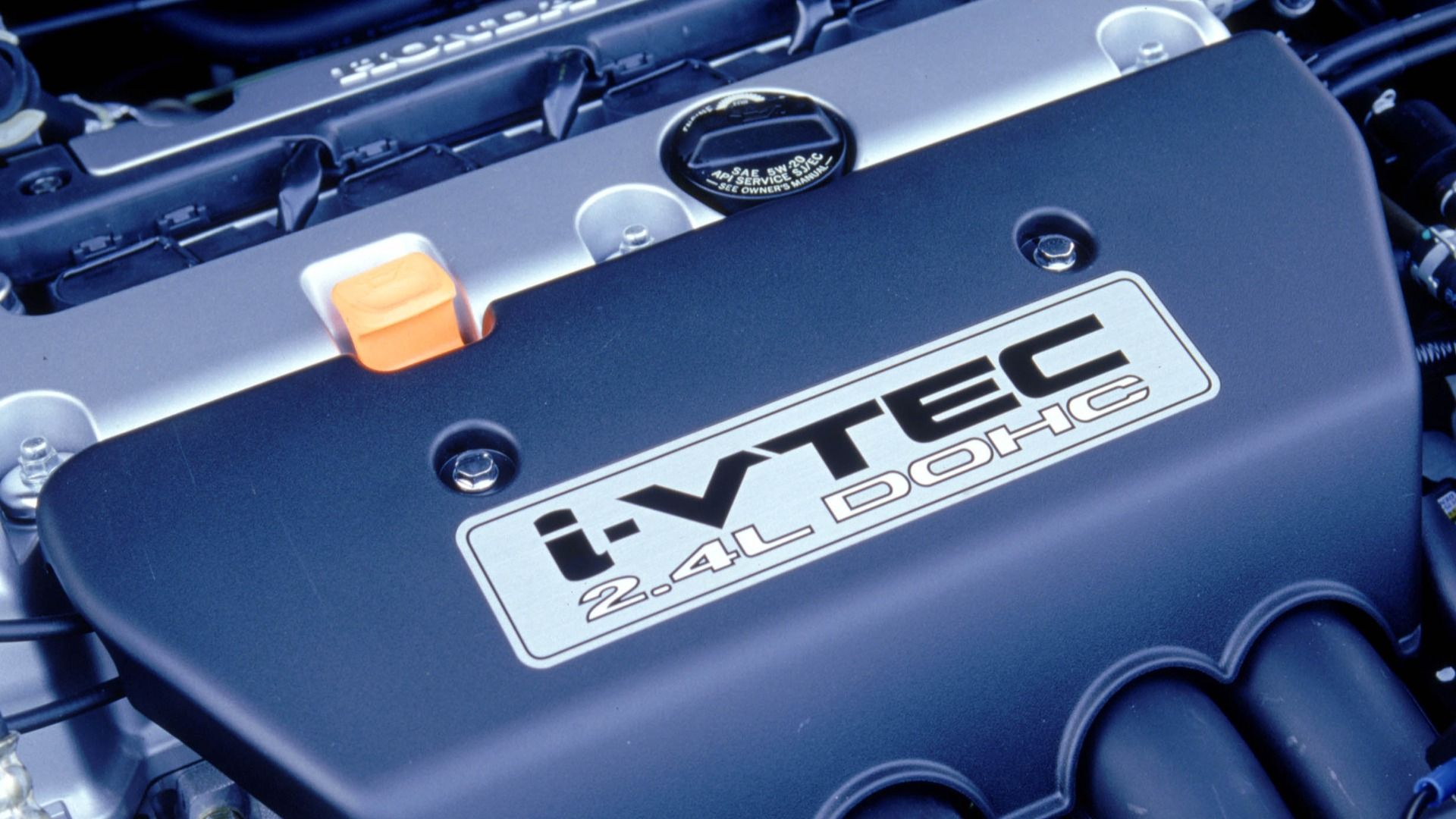
The Honda K-Series often sits behind the B-Series and modern L-Series turbos in enthusiast conversations, but mechanics see it differently. Many K-Series engines, including the K20A2 and K24A2, regularly pass 200,000 or even 300,000 miles on routine maintenance alone. Its most common failure is cheap and easy to fix.
The K-Series arrived in 2001 as Honda replaced the aging B-Series. The engine used a forged steel crankshaft, powdered metal connecting rods, cast aluminum pistons, and an aluminum block and head with cast-iron cylinder liners. It was designed as a naturally aspirated engine, and the over-engineering paid off.
The K20A2 powered the 2002-2006 Acura RSX Type-S with 200 horsepower and 142 pound-feet of torque through a six-speed manual. The K24A2 was used in the 2004-2008 Acura TSX, with output rising from 197 to 205 hp in 2006. The seventh-gen Honda Accord used the K24A4 and K24A8, producing 160 and 166 hp.
The family's best-known weak point is a sudden loss of power when VTEC fails to engage, triggering codes P1259 or P2646. The usual culprits are a clogged VTEC solenoid screen or a failed solenoid gasket. A new gasket costs under $10 and can be replaced in under an hour; a new screen costs about $20, and complete kits run $25 to $40.
Many buyers seek out K-Series cars suffering from dead VTEC, fix the simple issue, and enjoy a perfectly working engine.
Used prices make the family approachable: the RSX Type-S averages around $14,058, a 2008 TSX about $9,995, and a 2006 Accord about $8,988. With predictable maintenance, a strong aftermarket, and a simple layout, the K-Series is a safer classic buy than many alternatives.
Source: CarBuzz
Plain-English guides to common problems and what they cost in Boca Raton, plus local shops.