Why $1,000 Monthly Car Payments Are Now the Norm - and How to Avoid Them
The numbers are enough to make anyone wince. S. has hit a record $777 per month. Even more startling: one in five new car buyers is now on the hook for $1,000 or more every month. 68 trillion. And down payments? They’re shrinking too, averaging just $5,815, the lowest as a percentage of purchase price since 2020.
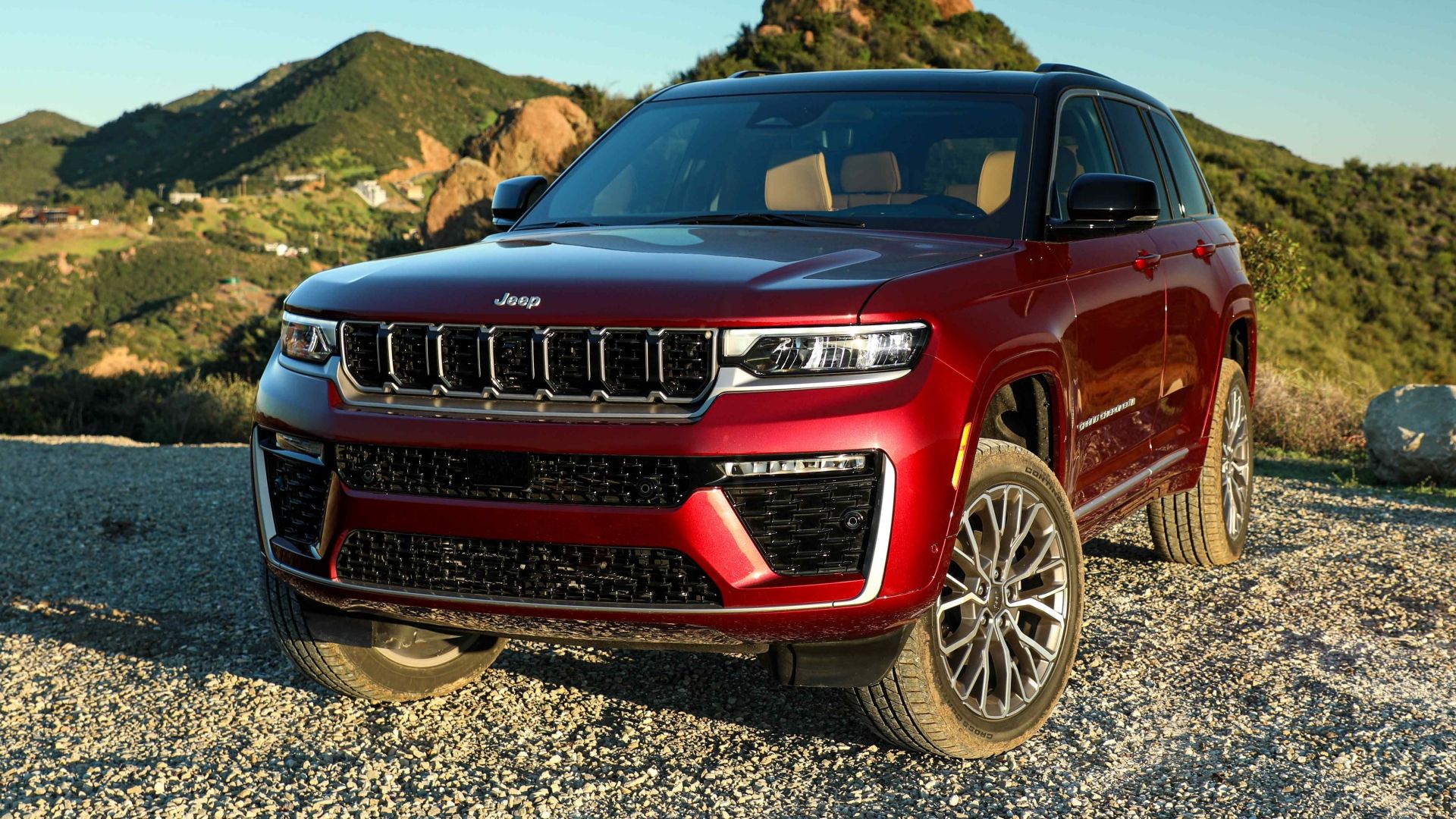
So what’s driving these sky-high payments? For starters, new cars now average around $50,000. Buyers are gravitating toward pricey trucks and SUVs like the Ford F-Series, Chevy Silverado, and Tesla Model Y, often with smaller down payments and longer loan terms. Nearly a quarter of buyers are now stretching their loans to 84 months, seven years, just to keep monthly payments manageable.
That tactic, however, comes with a steep catch: over the life of a $50,000 loan at 7%, an 84-month term costs nearly $7,000 more in interest than a 36-month term. And if you trade in before the loan is paid off, you risk rolling negative equity into your next purchase.
But here’s the good news: you don’t have to chase that $1,000 payment. The simplest fix is to buy a less expensive car. 9% over 48 months, runs about $536 per month. Compare that to a Genesis G70 at $865 under similar terms, a savings of $329 each month. Even a Ford Ranger Lariat leases for roughly $453 monthly versus $600-plus for a high-end F-150.
These aren’t stripped-down economy cars; they’re well-equipped, comfortable sedans and crossovers from trusted brands. If more buyers chose vehicles closer to the $30,000 mark instead of $50,000, that eye-popping $777 average could become a relic of the past.
Source: CarBuzz
Plain-English guides to common problems and what they cost in Boca Raton, plus local shops.