When Your Engine’s Crankshaft and Camshaft Sensors Fail: What to Watch For
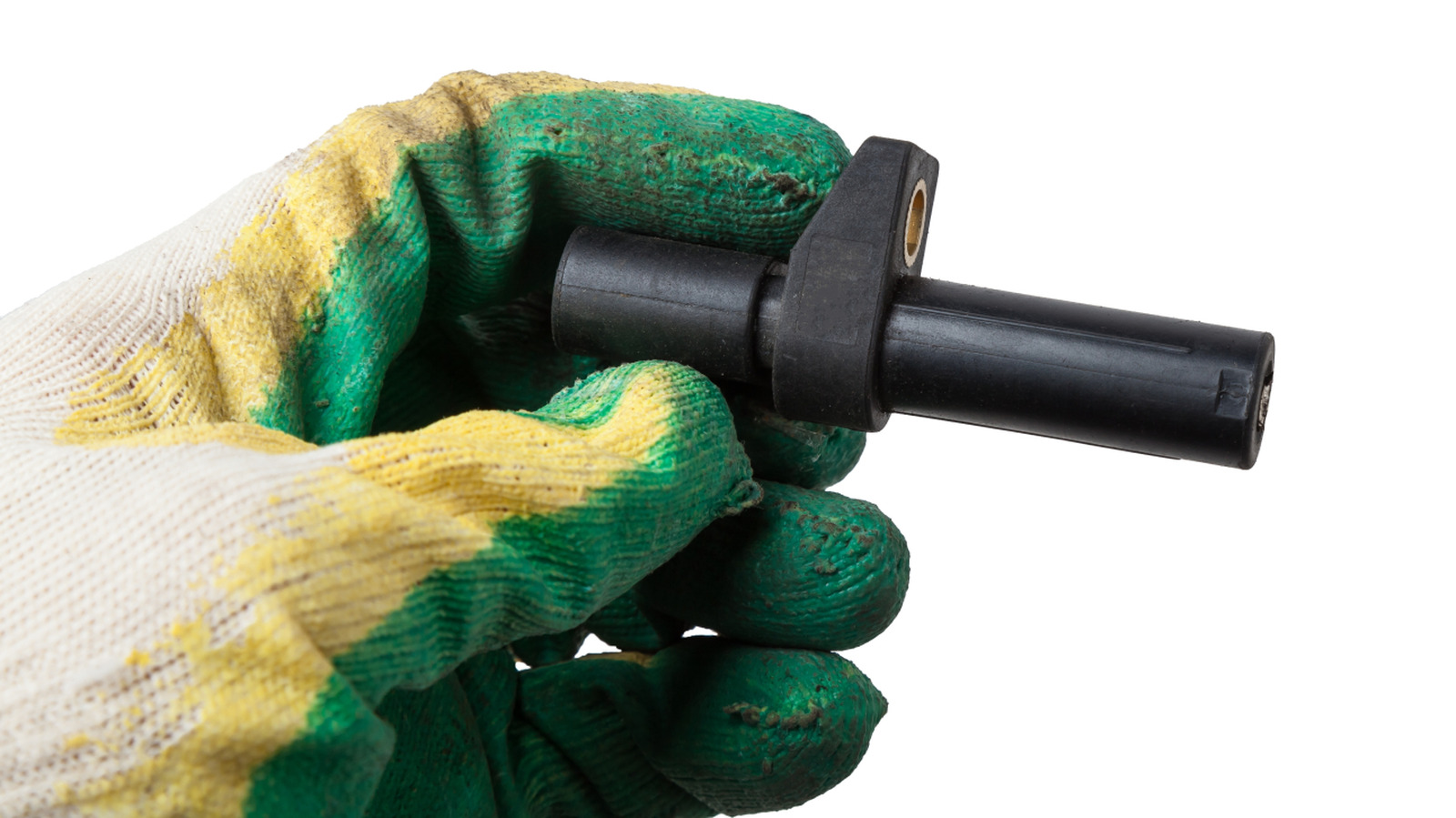
If your car starts acting up—hesitating, stalling, or running rough—two small but vital sensors could be the culprit: the crankshaft position sensor and the camshaft position sensor. These parts work together to tell your engine’s computer the exact position of the pistons and valves, so it can time fuel injection and ignition just right.
When one goes bad, the whole system gets confused.
For drivers of Mercedes-Benz, BMW, Audi, Porsche, VW, Volvo, Jaguar, Lexus, Toyota, or Honda vehicles—including hybrids—the symptoms are similar: hard starting, poor acceleration, rough idle, stalling, and a drop in fuel economy. The check engine light will almost always come on.
Ignoring these signs can lead to bigger problems, like damage to the catalytic converter or other engine parts.
What causes these sensors to fail? Heat, moisture, dirt, or wiring issues. They’re built to last 100,000 to 150,000 miles, but harsh driving conditions can shorten that. A diagnostic scan will typically show a P0335 code (crankshaft) or P0340 (camshaft), but a good mechanic will also check the wiring and connectors before replacing parts.
Replacement isn’t as pricey as you might fear. Parts range from $40 to $300, and labor usually runs $75 to $400, depending on your vehicle. The crankshaft sensor sits low on the engine, near the bottom, while the camshaft sensor is up top by the cylinder head.
If your car is showing these symptoms, bring it by our shop in Boca Raton. We’ll inspect it, read the codes, and give you a straight answer—no guesswork, no unnecessary repairs. We’ve been serving European and Japanese cars since 1989, and we’re here to help keep you on the road safely.
Source: Jalopnik
Plain-English guides to common problems and what they cost in Boca Raton, plus local shops.