When Your Car's ABS Light Glows: Spotting a Bad Wheel Speed Sensor
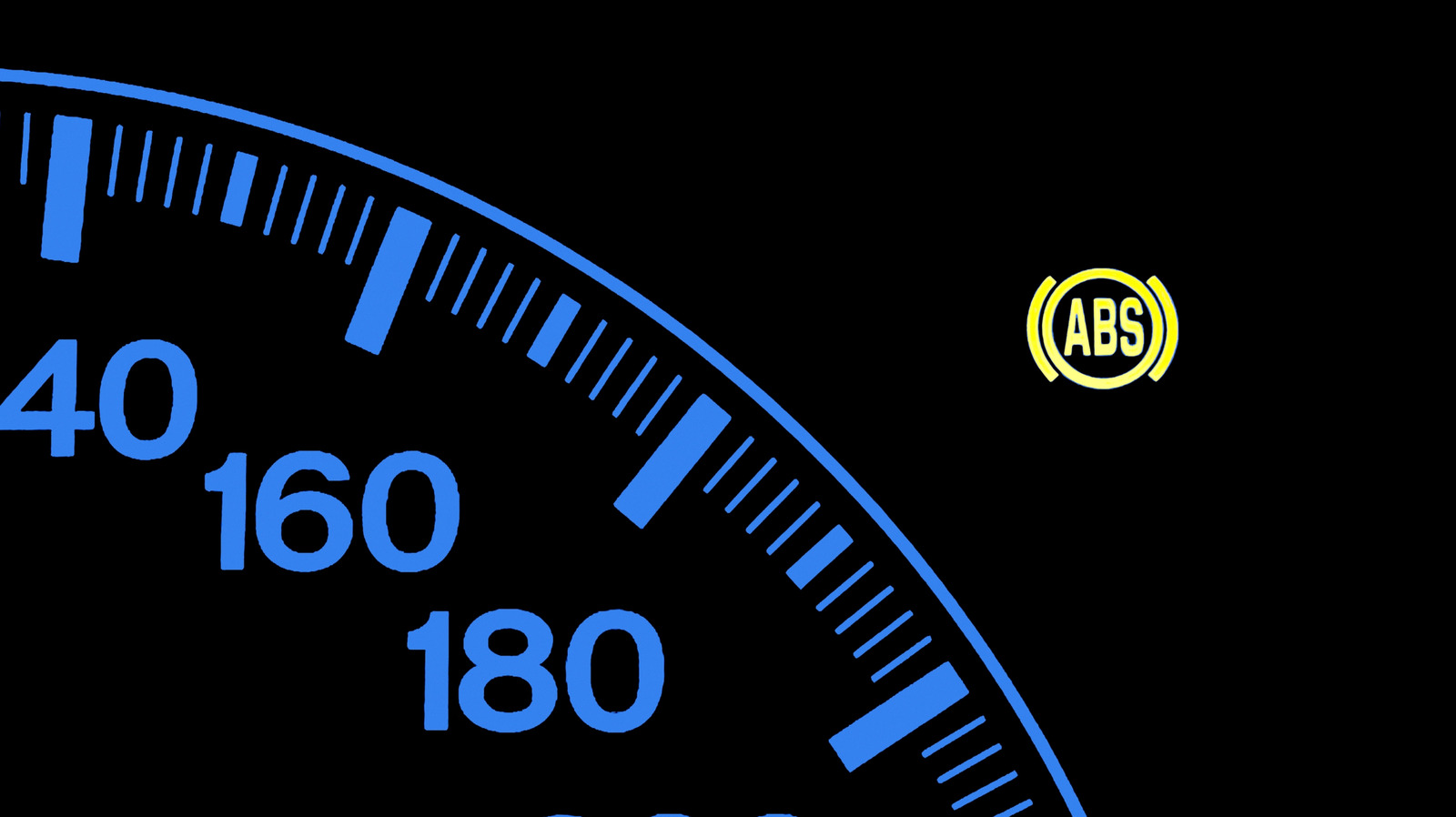
That little warning light on your dashboard isn't just for show. If your ABS light pops on, there's a good chance your wheel speed sensor, also called the ABS sensor, has gone bad. This small component feeds critical data to your car's anti-lock brake system, engine computer, and traction control.
Without it, those systems can't tell how fast your wheels are spinning, which means they can't prevent locking up during hard stops or help you stay stable on slippery roads.
A failing sensor shows up in a few telltale ways. The most obvious is that ABS light, which usually means the system has shut itself off. Your brakes will still work, you just won't have the pulsing assist that keeps wheels from skidding. You might also notice your speedometer acting erratically, jumping around or dropping to zero.
Some drivers feel a strange pulsation through the brake pedal during sudden stops. None of these symptoms are safe to ignore. If you see that light, slow down and get the sensor checked or replaced as soon as you can.
What causes these sensors to fail? They're built to last, often between 60,000 and 150,000 miles, but real-world conditions take a toll. Road salt, mud, snow, and debris constantly bombard the sensor, which sits exposed on the wheel hub. Frayed wires, damaged connectors, or even a worn-out wheel bearing that lets the hub wobble can accelerate failure.
Replacing a faulty sensor typically runs between $150 and $900, including labor, depending on your car's make and model. A mechanic will test it with a multimeter before swapping it out. If you're handy, you can do it yourself with an OBD-II scanner, jack stands, and basic tools, but for most drivers, a professional repair is the safest bet.
Source: Jalopnik
Plain-English guides to common problems and what they cost in Boca Raton, plus local shops.