When Do Tire Pressure Sensors Give Out - And Can You Swap Them Yourself?
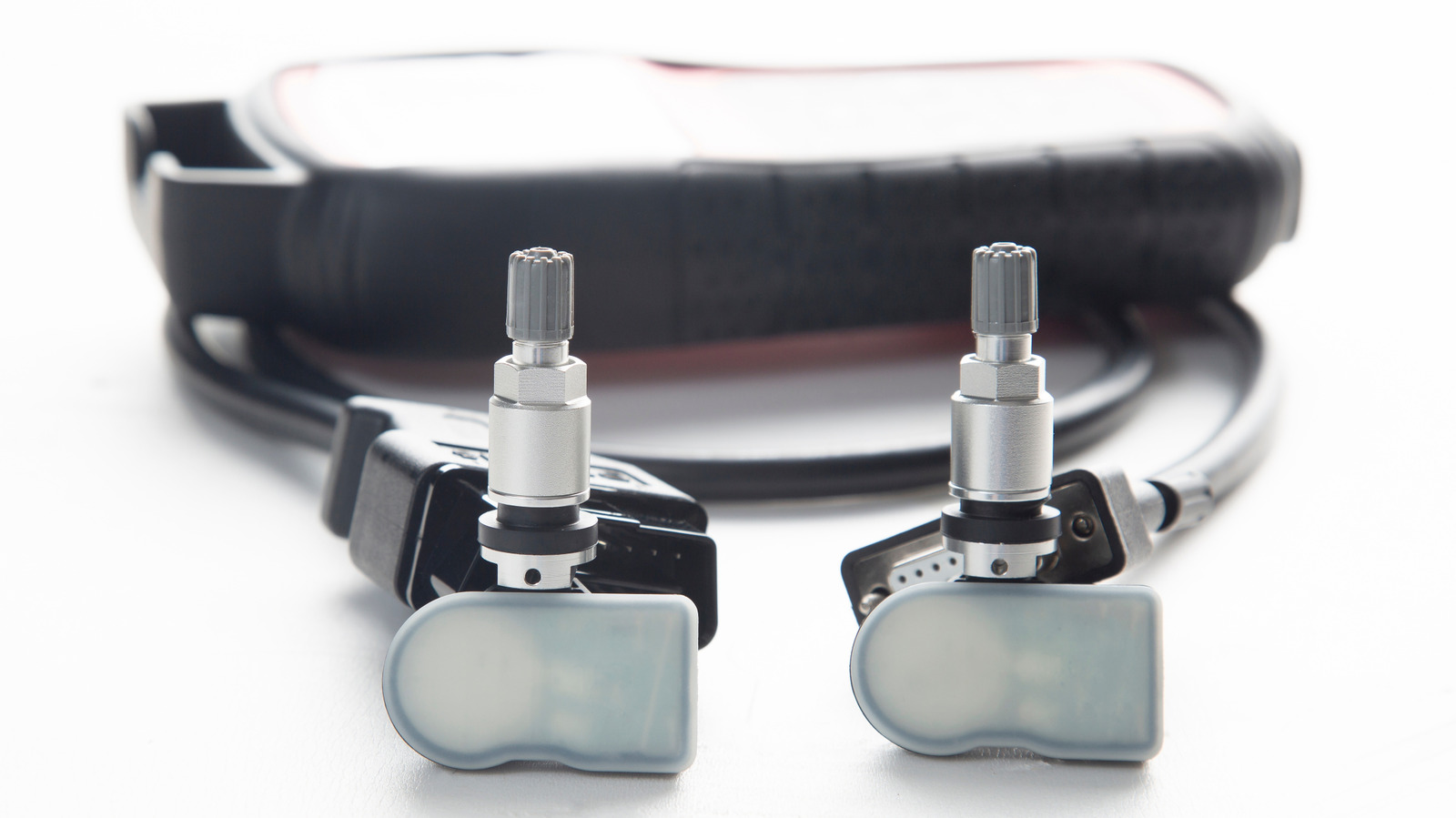
Your car’s tire pressure monitoring system, or TPMS, is built to outlast a set of tires, but not forever. These direct sensors run on embedded, non-replaceable batteries that typically last 5 to 10 years. The catch? Once the battery dies, you have to replace the whole sensor. If your vehicle is already five to ten years old, it’s worth swapping them out when you buy new tires, even if the old sensors are still working.
How long those batteries actually last depends on where and how you drive. Cars that sit parked for long stretches can preserve battery life because the sensors go into sleep mode when the wheels aren’t turning. On the flip side, daily drivers in extreme heat or cold may see sensor failure sooner.
Batteries degrade faster in hot climates and can give out prematurely in freezing weather. Expect to pay between $70 and $150 per sensor, plus $50 to $100 per tire for labor, more for newer or luxury models.
If you’re handy with tools, you can replace TPMS sensors yourself. The process is similar to changing a tire: jack up the vehicle, remove the wheel, deflate the tire and break the bead, swap out the sensor, then remount and inflate. Just remember that most cars require recalibration after a sensor change.
Some models let you do it by pressing a button and driving for 30 minutes at highway speeds. Others need a trip to the shop or a special scan tool. To extend sensor life, check tire pressure regularly, keep valve stem caps on, and avoid tire sealants. And if the TPMS warning light stays on or flashes, get the sensors checked, driving with bad readings can hurt your fuel economy and compromise safety.
Source: Jalopnik
Plain-English guides to common problems and what they cost in Boca Raton, plus local shops.