What Chinese Cars Do Well (and What It Means for Your European or Japanese Vehicle)
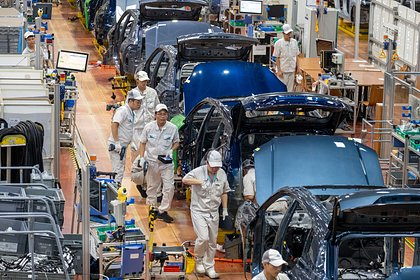
Chinese automakers have come a long way in the last decade. Once seen as budget alternatives, they now offer features that many European and Japanese brands reserve for top-tier trims. For owners of Mercedes-Benz, BMW, Audi, Porsche, VW, Volvo, Jaguar, Lexus, Toyota, or Honda – including hybrids – this shift matters because it raises the bar on what you should expect from your own car’s tech and reliability.
One big advantage Chinese brands have is speed. They refresh models in about three years, while traditional manufacturers often take five to seven. They also push over-the-air software updates, so your car can improve without a trip to the shop. That’s a trend we’re seeing in newer European and Japanese vehicles too, but it’s still catching up.
Where Chinese cars really shine is in standard equipment. Big touchscreens, surround-view cameras, voice controls, and driver-assistance features come base-level. For our customers, that means your luxury or import car should offer similar convenience – and if it doesn’t, it’s worth checking if a software update or module upgrade is available.
On the hybrid and electric front, Chinese makers are competing hard with global leaders in range and efficiency. That’s good news for anyone driving a hybrid or EV – it pushes all manufacturers to improve battery tech and electronics.
If you own a European or Japanese vehicle and wonder how it stacks up, or if a recall affects your model’s tech or safety systems, bring it by Boca Auto Care. We’ve been family-run since 1989, and we’ll inspect it thoroughly – no pressure, just honest advice. We don’t do body work or window tint, but we know what makes your car run right.
Source: Lenta.RU
Plain-English guides to common problems and what they cost in Boca Raton, plus local shops.