Volvo's Compressed-Air Turbo Boost Idea Faded Away
Turbo lag has long been a frustration for drivers of turbocharged cars. The delay between pressing the accelerator and feeling the power is something engineers have worked to eliminate with variable-geometry turbos, sequential setups, and hybrid assistance.
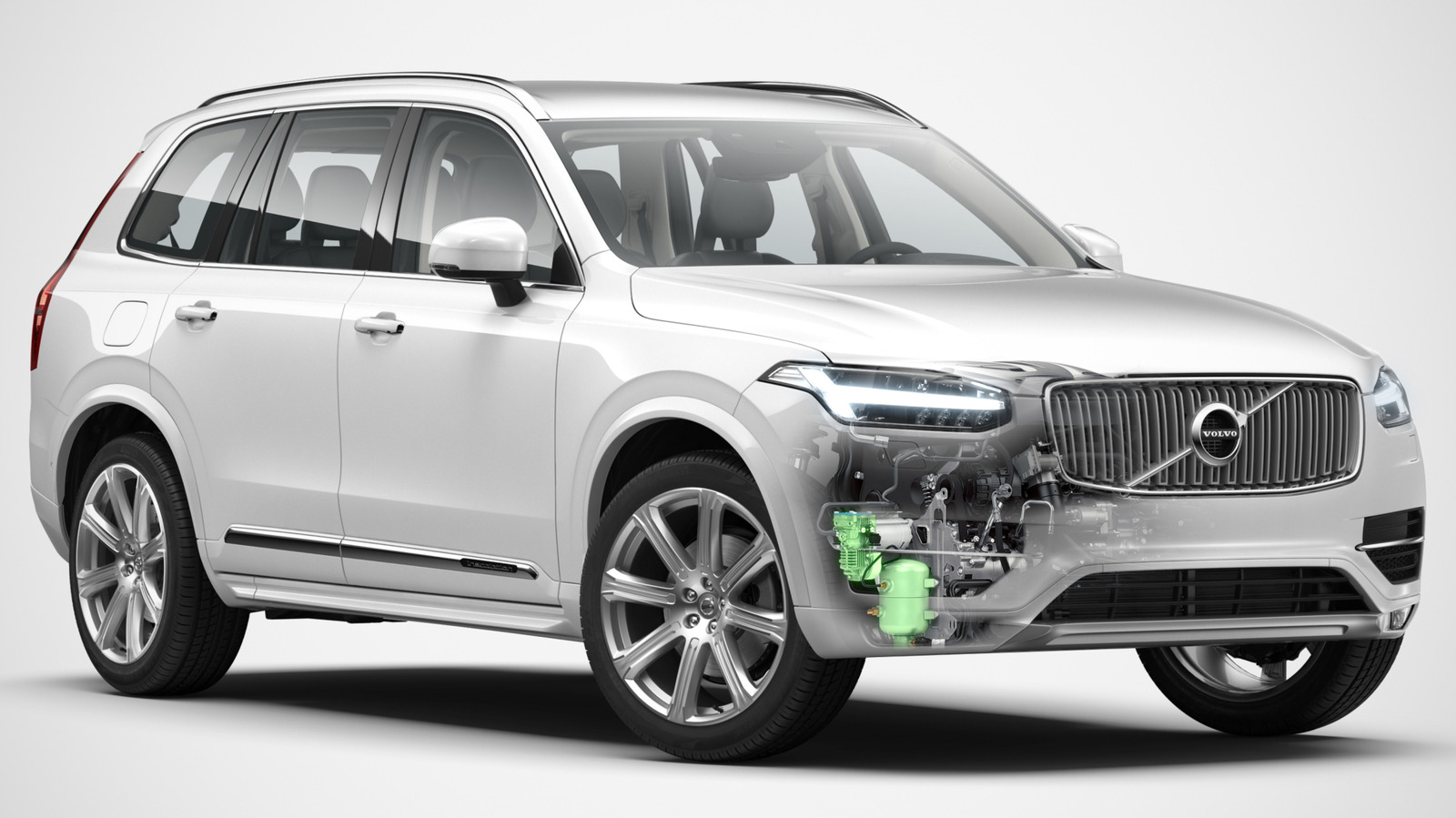
In 2015, Volvo tried a different approach with a system called PowerPulse. It debuted in the diesel-powered S90 for the 2016 model year. 53-gallon air tank with air at about 12 times normal sea-level pressure. When the driver hit the gas, a magnetic valve released a quick burst of that compressed air into the exhaust manifold, spinning the smaller of two sequential Borg-Warner turbos almost instantly.
Volvo claimed the system could jump turbo speed from around 20,000 rpm to 150,000 rpm in just 0.3 seconds. The company also said the PowerPulse-equipped D5 diesel engine delivered twice as much power in the first second of acceleration from a standstill compared to the same engine without it.
The system weighed only about 22 pounds, much less than a typical mild hybrid setup. It also avoided the need for a bigger alternator, extra wiring, or an auxiliary battery, making it cheaper than hybrid alternatives. But there were drawbacks. The tank only held enough air for two quick bursts before needing a few seconds to recharge.
More importantly, the industry was shifting toward electrification. Electric turbos and hybrid powertrains offered similar benefits without a limited air supply. PowerPulse was also diesel-only, and it arrived just months after Volkswagen's Dieselgate scandal, which hurt the reputation of diesel vehicles.
Volvo used PowerPulse in diesel versions of the S90, V90, V90 Cross Country, and XC90 from 2016 onward, depending on the market. The system was retired by 2020, and Volvo eventually dropped diesel engines altogether. It remains a clever but short-lived idea that never caught on.
Source: Jalopnik
Plain-English guides to common problems and what they cost in Boca Raton, plus local shops.