Toyota’s Million-Mile Tundra: What an Engine Teardown Reveals About Real Reliability
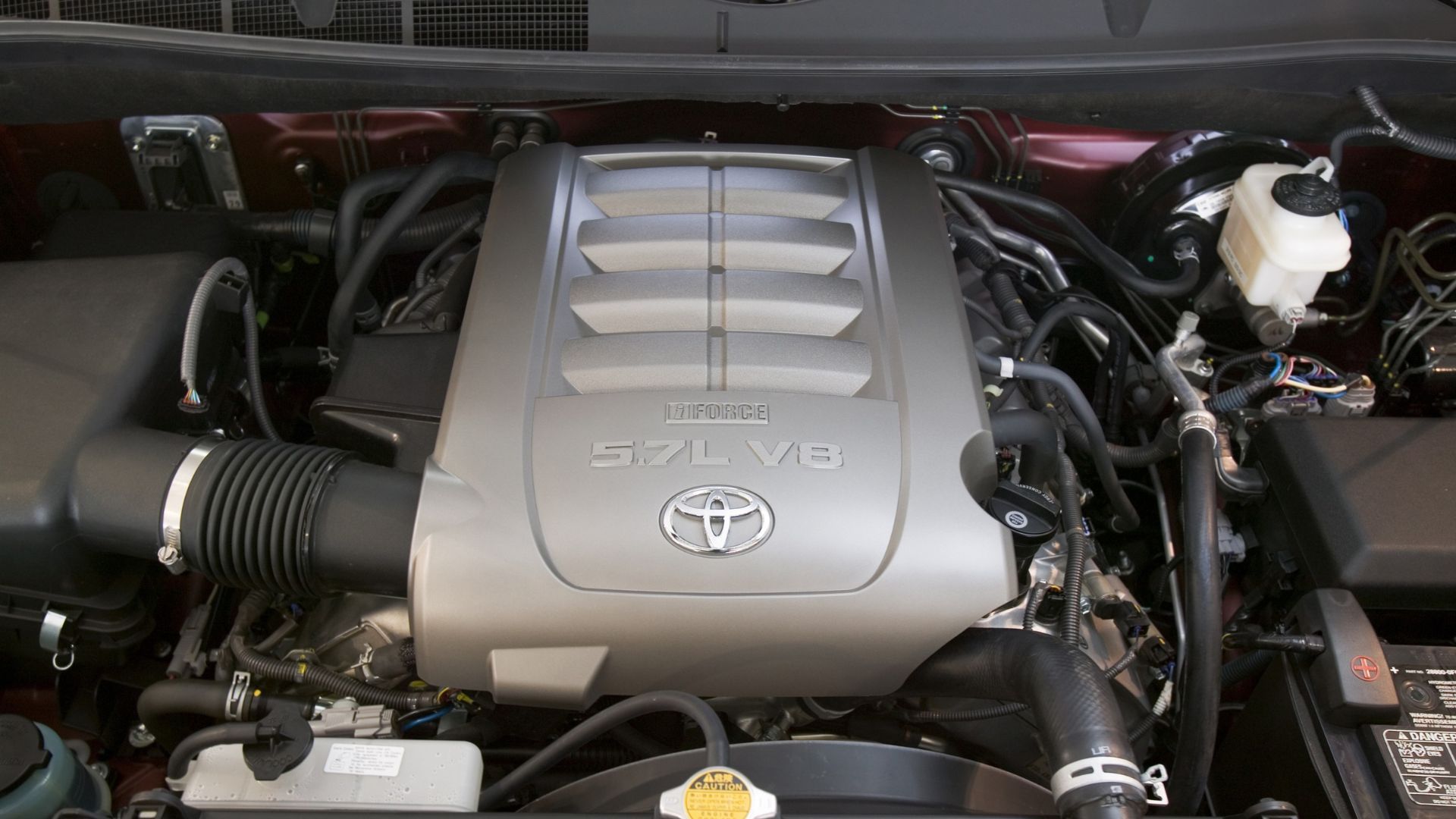
Vic Sheppard’s 2007 Toyota Tundra didn’t just hit a million miles, it did it twice. After nine years hauling heavy equipment, the only part showing serious wear was the bed. 7-liter V8. So what makes these engines so tough? 7-liter 2UZ-FE V8 offers some answers.
Toyota’s Huntsville team found the engine would have scored 99 out of 100 in quality tests. The biggest flaw? A slight mark on a bearing. There was minimal carbon buildup on valve stems, the cylinder wall cross-hatching was still visible, and crankshaft journals showed no wear. ” At a glance, the engine looked nearly new.
There’s no magic trick here. Sheppard’s meticulous maintenance and highway-heavy driving helped, but the real story is old-school engineering: a cast-iron block, forged steel crankshaft, oversized bearings, and a design prioritizing low-end torque over peak horsepower. Toyota also oversized the cooling system to prevent thermal cycling.
7-liter V8 made it to a million with no rebuild.
Compare that to today’s third-generation Tundra, which dropped the V8 for a twin-turbo V6. Early models have been hit by multiple recalls for machining debris in main bearings, issues that have shaken buyer trust. For anyone wanting a truck that can go the distance, a clean second-generation Tundra with 100,000 miles is likely a smarter bet than a brand-new twin-turbo model.
Source: CarBuzz
Plain-English guides to common problems and what they cost in Boca Raton, plus local shops.