Toyota Hybrid Battery Replacement: No Longer the Deal-Breaker It Once Was
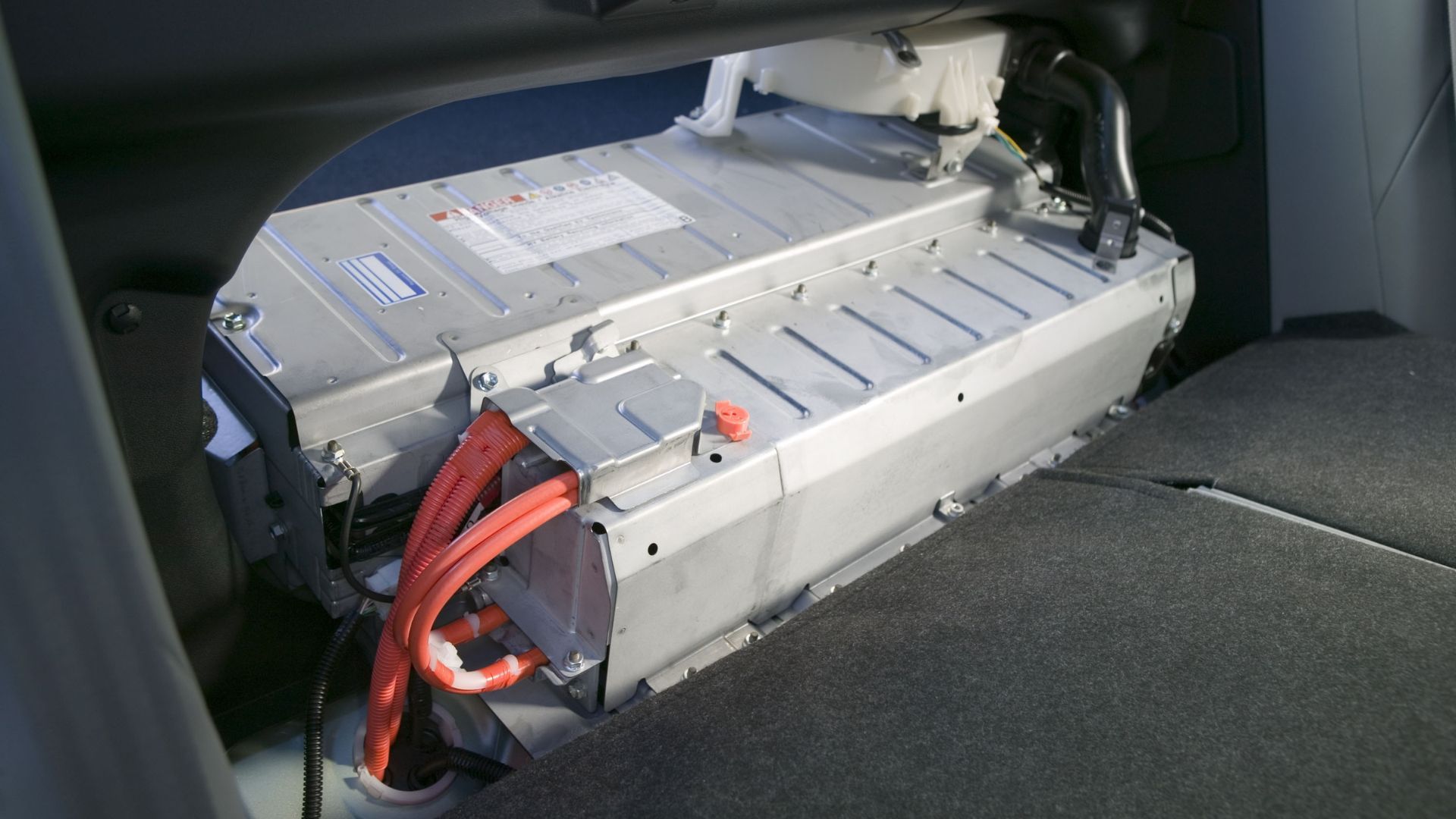
For years, the fear of a costly battery replacement kept many shoppers away from Toyota hybrids. That hesitation made sense when hybrid tech was newer on American roads and replacement bills could rival the price of a decent used car. But the picture has shifted: batteries last longer, replacement costs have dropped, and Toyota offers one of the most generous warranties in the segment.
S. driving. Since 2020. Toyota's hybrid warranty covers 10 years or 150,000 miles, whichever comes first, well above the eight-year legal minimum for electrified vehicles. Pre-2020 models carry an eight-year, 100,000-mile warranty. Some owners, like those with the Highlander hybrid, have reported surpassing 200,000 miles without a replacement.
If a replacement falls outside warranty, costs vary. For a Corolla Hybrid, a new nickel-metal hydride pack runs between $3,000 and $8,000, while a refurbished unit goes for roughly $1,500 to $3,500, though with a shorter lifespan and reduced reliability. Note that choosing a refurbished pack under warranty may void that coverage, and used vehicles may no longer qualify for the original warranty.
High-mileage examples abound. The highest-mileage Toyota hybrid is a Prius with 546,000 miles, while a Corolla Hybrid reached 481,000 miles, requiring about 700 miles per day on a 2020 model. Even a $5,000 battery bill at 500,000 miles still works out in the hybrid's favor.
Battery degradation stems from chemistry, usage, and temperature. Repeated charge-discharge cycles wear down cells, and a hybrid driven 200,000 miles can lose up to a third of its original capacity. Highway driving is gentler than stop-and-go traffic, and extreme heat or cold accelerates wear.
Automakers use thermal management and regenerative braking to slow degradation, but replacement remains a long-term reality.
Replacement costs now align with affordable used cars. Examples include a 2004 Hyundai Sonata (around $4,000), a 2009 Kia Rio (around $4,500), a 2015 Nissan Leaf (around $6,000), and a 2006 Honda CR-V (around $8,000).
Two more factors have shifted the market: a growing "circular economy" for batteries and smarter diagnostics. Toyota offers core credits up to $500 for returned batteries, and 98% of materials are diverted from landfills. Third-party shops use load-banking to identify weak cells, swapping just a few modules in a Prius's 28-cell pack.
Apps like Dr. Prius or Hybrid Assistant, paired with a Bluetooth OBD2 adapter, let buyers run a life expectancy test during a test drive. Finally, older NiMH packs are easier and safer to refurbish than newer lithium-ion units, making "old tech" a badge of honor among DIY enthusiasts.
Source: CarBuzz
Plain-English guides to common problems and what they cost in Boca Raton, plus local shops.