The Unbreakable Ford Six That Built America
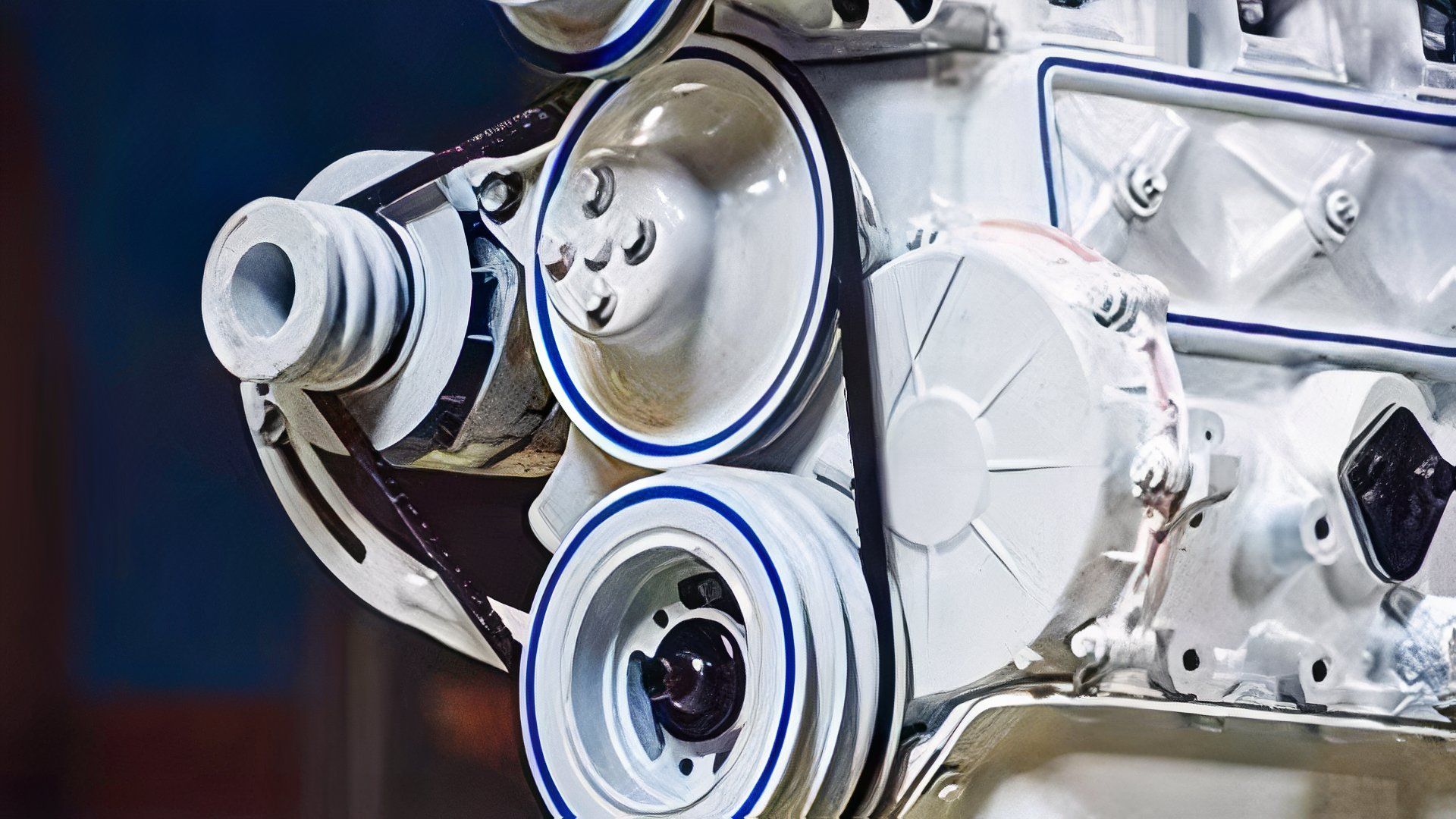
Most automotive legends are born on racetracks, screaming at high RPMs. But Ford’s most enduring engine earned its fame by doing the opposite, lugging concrete, hauling hay, and refusing to quit. Introduced in 1965, the 300 cubic-inch inline-six didn’t chase horsepower. It delivered relentless low-end torque and near-indestructible reliability for over three decades.
While flashy V8s got the glory, this unassuming workhorse quietly powered an era of American industry.
By the mid-1960s, America was building fast, interstates, suburbs, farms, and fleets. Ford realized that contractors and farmers didn’t care about zero-to-sixty. They needed an engine that could pull heavy loads all day without breaking down. Existing V8s and small sixes wore out under constant strain.
So Ford engineers went back to basics: a long-stroke, cast-iron inline-six with seven main bearings, a gear-driven camshaft, and a solid valvetrain. It made peak torque at just 1,600 RPM. It was heavy, loud, and nearly impossible to kill.
Over its 31-year run, the 300 six powered F-Series pickups, Econoline vans, school buses, water pumps, airport tugs, and generators. Fleet operators reported 300,000, 400,000, even 500,000 miles without major repairs. Mechanics swore it could survive neglect that would destroy any other engine.
When emissions rules tightened in 1987. Ford didn’t retire it, they added electronic fuel injection and kept building it until 1996. The 300 six cemented Ford’s reputation for toughness and helped make the F-Series America’s best-selling truck. Today, enthusiasts still turbocharge them for off-road builds, and old farm trucks still fire up on the first crank.
It wasn’t glamorous, but it was exactly what working America needed.
Source: HotCars
Plain-English guides to common problems and what they cost in Boca Raton, plus local shops.