The Rocket Scientist Behind NASCAR's Roaring Engines
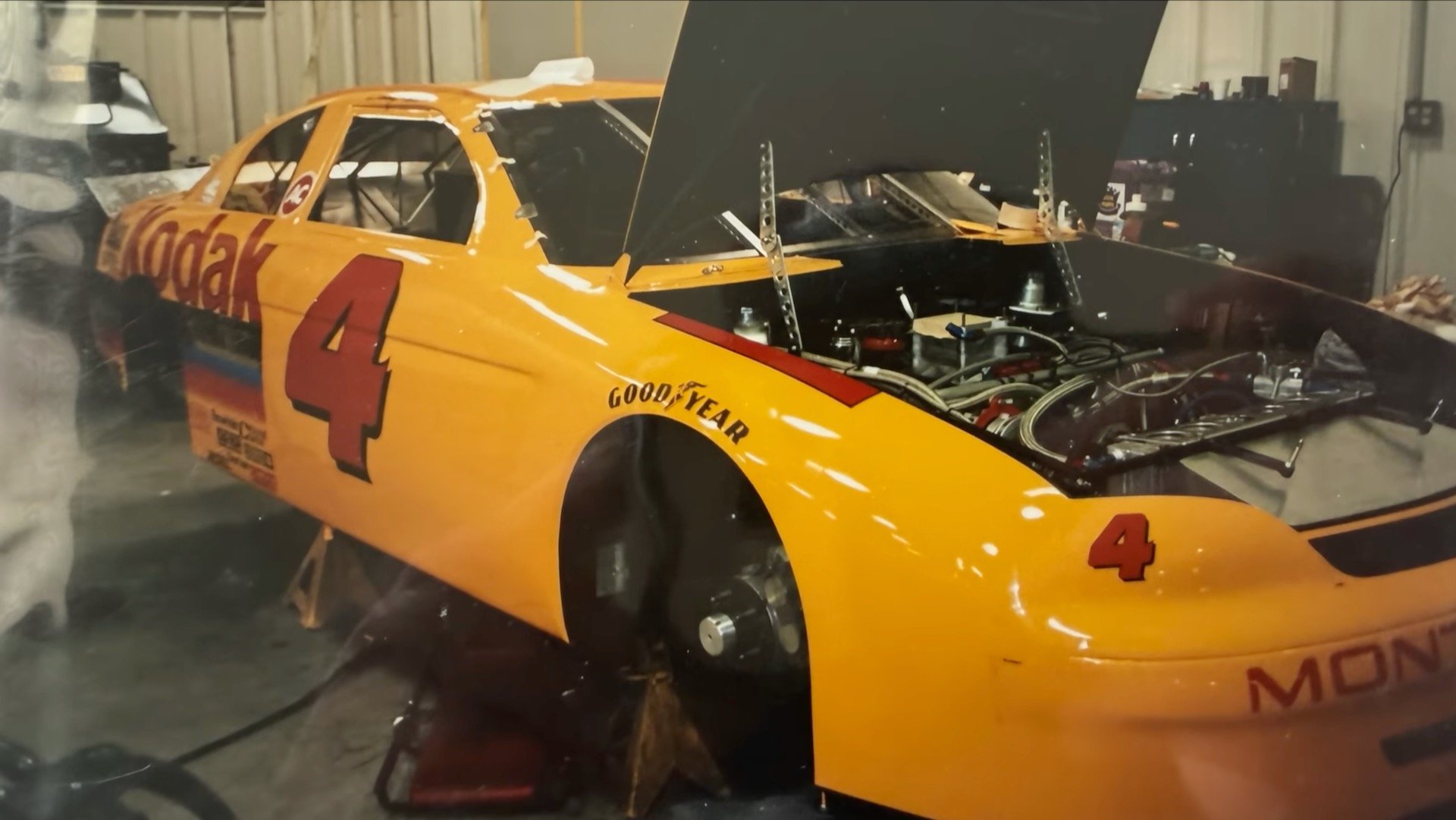
In the late 1990s and early 2000s, NASCAR was at the height of its popularity, with a field of charismatic drivers and cars that produced a distinctive, ear-splitting sound. This was thanks in large part to the innovative X-pipe exhaust systems, which were introduced by Boyd Butler, a former rocket scientist who had grown tired of his work with Hercules Aerospace.
Butler's company, Dr. Gas, specialized in these systems, which were more efficient at pulling exhaust out of combustion chambers, allowing for fresh air to enter and increasing engine performance.
The X-pipe systems first caught the attention of Mark Giles, a fabricator at Morgan-McClure Motorsports, who was working with driver Sterling Marlin and the Kodak-sponsored No. 4 Chevrolet. The team's boss, Larry McClure, was looking for any advantage that could help them repeat their 1994 Daytona 500 victory, and the X-pipe system seemed like just the thing.
5 horsepower, equivalent to an extra 1 mph of top speed at Daytona, the system was a game-changer.
The X-pipe's impact was not just about the extra speed it provided, but also the unique sound it produced. The system's high-pitched wail became the soundtrack of NASCAR, and other teams soon took notice. Despite efforts to keep the technology under wraps, the X-pipe's distinctive sound made it impossible to hide.
Eventually, other teams began to adopt the technology, and the X-pipe became a staple of the sport, until NASCAR introduced stricter rules and eliminated the system with the introduction of the Car of Tomorrow in 2008.
Today, the X-pipe is a relic of a bygone era, but its impact on the sport of NASCAR is still remembered fondly by fans and drivers alike. Boyd Butler's innovative design may have started as a way to gain a competitive edge, but it ultimately became an iconic part of the sport's history and identity.
Source: The Drive
Plain-English guides to common problems and what they cost in Boca Raton, plus local shops.