The Price Gap Between a Loaded Toyota Camry and a Base Lexus ES? It’s Just $2,500.
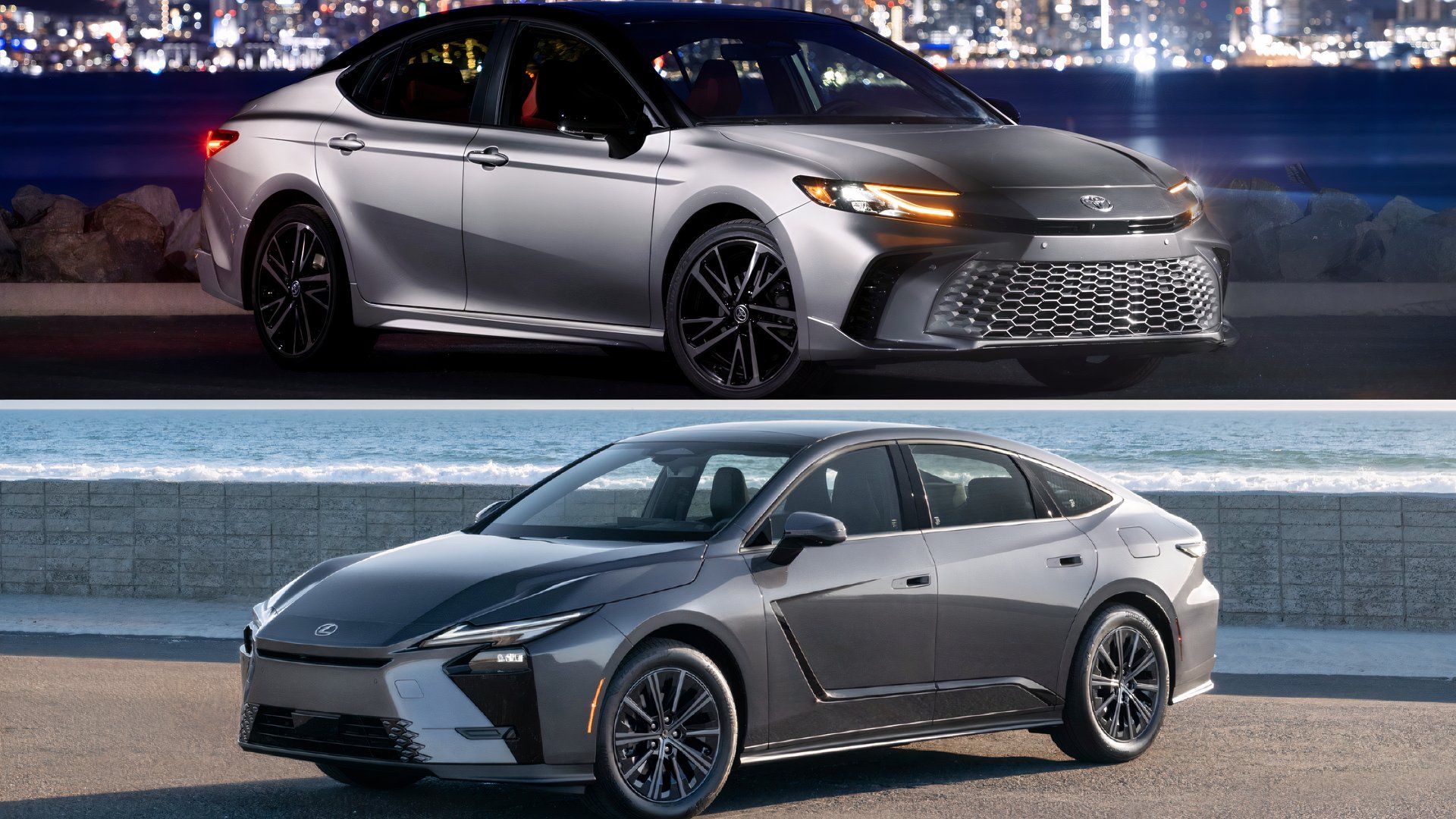
It’s an old car-guy saying: a Lexus is just a fancy Toyota. But the reality is more complicated. D. Power ranks Lexus as the most reliable brand on the market, while Toyota comes in eighth. Meanwhile, Toyota took home four IIHS Top Safety Pick awards for 2025, compared to just one for Lexus.
So there’s more to the difference than leather seats and a better stereo. Still, when you’re shopping, the overlap can make the choice genuinely tough.
Take the 2026 Toyota Camry XSE, loaded with every option. Starting at $37,025 for the all-wheel-drive model, you can pile on the Premium Plus package for $4,760—adding a panoramic roof, ventilated seats, a head-up display, and JBL audio. Throw in a dashcam, illuminated door sills, ambient lighting, mudguards, paint protection film, and a few other extras, and the total lands at $46,452.
That’s about $2,343 less than the entry-level 2026 Lexus ES 350h, which starts at $51,095. 5, but you’ll pay extra for leather, all-wheel drive, rain-sensing wipers, and navigation.
The Camry also wins on ownership costs. RepairPal estimates annual maintenance at $388 for a Camry versus $468 for the ES. Insurance runs about $2,039 a year for the Camry, compared to $3,033 for the Lexus hybrid. Fuel economy is identical at 44 mpg combined, so annual fuel costs are roughly $1,000 for both.
That adds up to a savings of at least $600 per year with the Camry. But numbers don’t tell the whole story. The Lexus cabin is genuinely nicer—think 3D-printed bamboo trim, a 14-inch touchscreen, and soft-touch materials everywhere. It’s built to a higher standard and delivers a more refined ride.
So while the Camry is the pragmatic choice on paper, the Lexus offers something you can’t price out.
Source: CarBuzz
Plain-English guides to common problems and what they cost in Boca Raton, plus local shops.