The Pontiac That GM Killed Before It Could Win
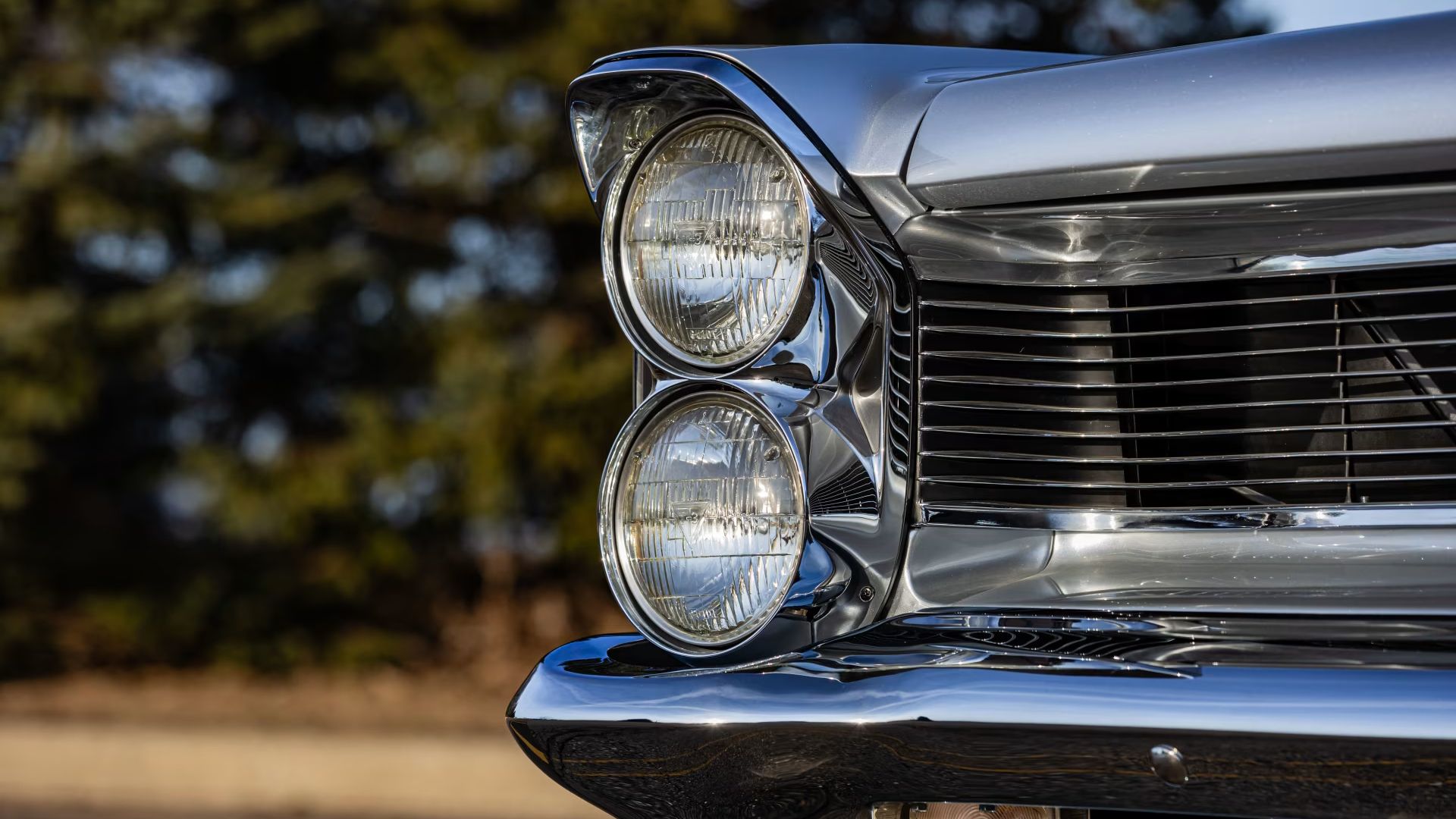
In the early 1960s, Detroit was obsessed with going faster. Automakers stripped weight, crammed in bigger V8s, and chased quarter-mile times to win over young buyers. Pontiac was winning that war — until its own parent company put a stop to it. The result was a car so extreme that General Motors ordered it dead just weeks after it was built.
But that short-lived machine, the 1963 Pontiac Catalina 421 Super Duty, changed the course of muscle car history.
By 1962, Pontiac was riding high. S. sales, behind only Chevrolet and Ford. But Ford, Chrysler, and Chevrolet were catching up fast. Pontiac needed something drastic for 1963. Engineers responded with the "Swiss Cheese" Catalina — a full-size car put on an extreme diet. They cut the frame into a U-shape and drilled about 120 holes into it, removing every ounce of metal they could.
Aluminum replaced the hood, fenders, bumpers, and even the exhaust manifolds. The result was a car that weighed roughly 400 pounds less than a stock Catalina. But the frame was so flimsy that workers had to brace it with timbers on the assembly line just to keep it from collapsing.
Under the hood sat a 421-cubic-inch Super Duty V8 officially rated at 405 horsepower but widely known to push closer to 500 when tuned. The car ran 12-second quarter-miles at 120 mph. But here's the catch: you couldn't buy one. Pontiac gave these cars to drag racing teams, not the public.
And on January 24, 1963, GM chairman Frederic Donner ordered an immediate shutdown of all factory racing programs. The reason wasn't safety or performance — GM feared the Justice Department might break up the company for dominating the market. Only 14 Swiss Cheese Catalinas were ever built.
The ban should have crushed Pontiac. Instead, it forced a new idea. Ad man Jim Wangers and engineer John DeLorean argued that if Pontiac couldn't race, it should put racing on the street. That idea became the 1964 GTO — a midsize car with a big V8 that sold 32,450 units in its first year.
The Swiss Cheese Catalina went too far, and GM killed it for it. But the lesson it taught — that excess belonged in cars people could actually buy — launched the muscle car era. Today, only nine of those 14 Catalinas are believed to survive. One sold at auction in 2025 for $742,500.
Source: HotCars
Plain-English guides to common problems and what they cost in Boca Raton, plus local shops.