The Overlooked V8 That Refuses to Break Down
Step into nearly any modern performance car, press the start button, and the experience feels curated by a computer. The engine note? Often piped in through the speakers. The power delivery? Managed by electronics that smooth over any hint of driver error. Today’s cars produce staggering horsepower on paper, numbers that would have embarrassed hypercars from twenty years ago.
But beneath the plastic engine covers, many of these powertrains are fragile, complex, and expensive to maintain.
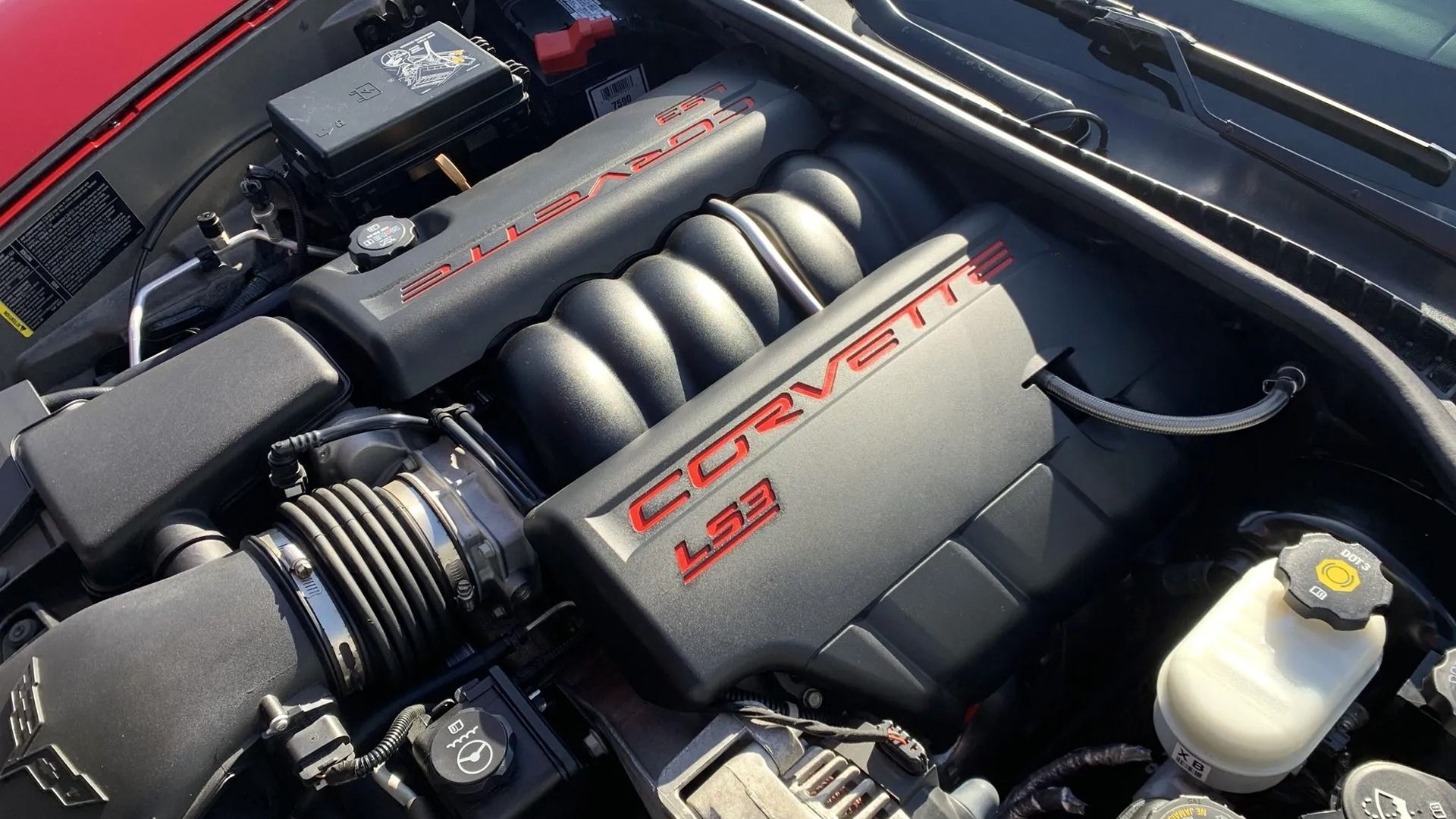
In the mid-2000s, while most automakers chased smaller turbocharged engines to meet emissions rules, GM went the other way. Engineers in Detroit took the old-school pushrod V8 design and refined it with modern metallurgy and casting techniques. 2-liter LS3, introduced in 2008. It didn’t use variable valve timing, cylinder deactivation, or turbos.
It made 436 horsepower and 428 lb-ft of torque through pure displacement and efficient airflow. The aluminum block kept weight down and heat dissipation high, while a simple two-valve-per-cylinder layout and a short timing chain meant fewer parts to fail.
The LS3 found its way into the C6 Corvette, the fifth-gen Camaro SS, and the sleeper Chevrolet SS sedan. It delivered instant throttle response and could run hard all day without complaint. Enthusiasts quickly discovered that the stock internals, forged crank, powdered metal rods, and six-bolt mains, could handle up to 700 horsepower with forced induction.
Today, the LS3 remains a favorite for swaps into everything from classic Mustangs to Miatas. In an era of fragile, high-strung engines, it stands out as a durable, honest performer that just keeps going.
Source: HotCars
Plain-English guides to common problems and what they cost in Boca Raton, plus local shops.