The Overlooked Ford V8 That Kept Working Long After the Legends Retired
Most old Ford big-blocks have long since been polished, photographed, and priced out of reach. But one of the most interesting ones might still be sitting under a dusty motorhome, parked in the weeds next to a suspicious wasp nest. It spent decades hauling heavy equipment instead of building a reputation, which is why so many car enthusiasts walk right past it.
That anonymity, though, is becoming its best feature. While Ford’s celebrated performance engines have turned into collector-grade treasures, this overlooked bruiser stayed tied to work trucks and RVs. Under all that iron is a durable foundation with enough displacement to make serious power.
Ford’s big-block history usually revolves around famous badges. The 427 became a competition legend, and the 428 Cobra Jet brought big torque to showroom muscle. The 429 Cobra Jet and Boss 429 carried that reputation into the 385-series era. Those engines earned their status in a concentrated burst, short production runs that added to the mythology.
By the late '60s. 85-inch stroke used by its largest member. Thin-wall casting made it lighter than the big-blocks it replaced, even though the biggest version still weighed roughly 700 pounds.
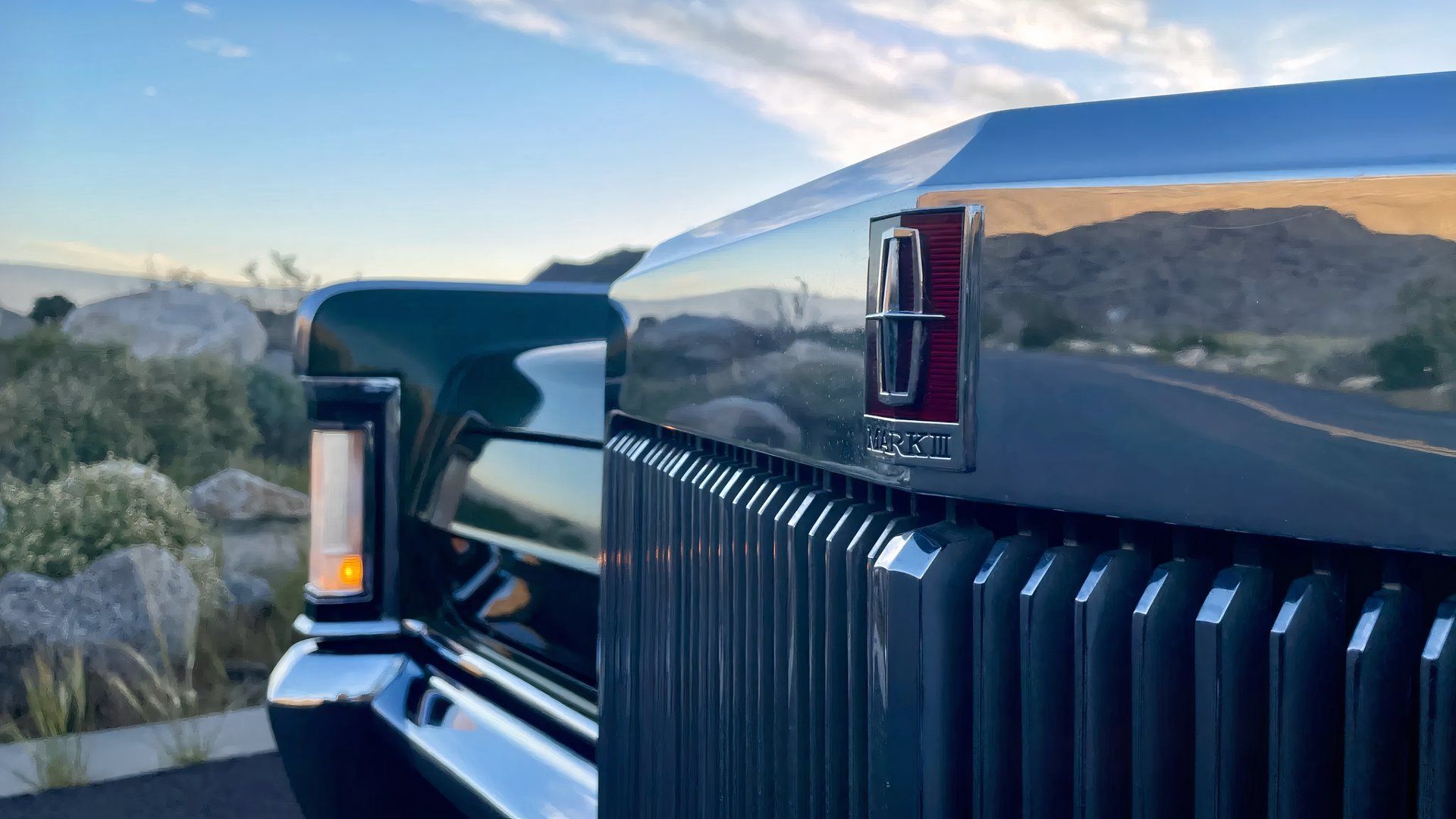
The largest 385-series V8, the Ford 460, first powered the Lincoln Continental Mark III in 1968. 85-inch stroke, it was the biggest production member of the family. Early versions were rated at 365 gross horsepower and 485 lb-ft of torque. But then emissions rules and lower compression drained the excitement.
Passenger car use ended in 1978, but the 460 kept going in heavy-duty F-Series pickups and E-Series vans. Ford introduced electronic fuel injection in 1988, boosting output to about 235 hp and 395 lb-ft. Truck production continued through 1997, giving the 460 a run of almost three decades.
The engine that missed out on a defining muscle car had outlasted Ford’s celebrated FE big-blocks by becoming useful where durability mattered every day.
The 460’s modern appeal begins below the cylinder heads. 00-inch main journals, and estimates for a prepared stock block’s capacity range from around 700 to 900 hp. The factory heads are the bottleneck, but aftermarket aluminum heads improve breathing and remove roughly 60 pounds.
A proven 466-cubic-inch, pump-gas build using aluminum heads produced 503 hp at 5,200 rpm, backed by 555 lb-ft at 4,200 rpm. Stroker cranks can take displacement to 502, 521, or 545 cubic inches. The 460’s biggest advantage is that many examples entered old age attached to ordinary equipment.
A 427 or 428 Cobra Jet core carries a direct connection to Ford’s muscle car royalty, while a 460 may still be found beneath an F-350 hood or behind a motorhome grille. It isn’t a magic bargain, but it’s the big-block you can still build and enjoy before everyone else notices what’s been hiding under those RV hoods.
Source: HotCars
Plain-English guides to common problems and what they cost in Boca Raton, plus local shops.