The Muscle Car That Mastered Both the Drag Strip and Daily Life
For years, the fastest production cars followed a predictable path: the quicker they got, the less practical they became. Stiff suspensions, race-focused tires, and constant compromises turned blistering acceleration into something for occasional weekends, not everyday commutes.
Building a car that could dominate the quarter mile while remaining genuinely usable was one of the industry's hardest challenges.
Straight-line speed may look simple, just add horsepower, but engineers know it depends on a whole system working together: chassis tuning, weight transfer, driveline durability, thermal management, tire compound, transmission calibration, and electronic controls. Miss any one piece, and performance goes untapped.
Those priorities rarely match what everyday drivers want. Comfortable suspensions limit weight transfer during launches. Street tires last longer but lose traction at the starting line. Reinforced driveline parts add weight. Every solution brings another compromise.
Factory cars also face constraints that custom builders avoid: emissions rules, crash standards, warranty obligations, noise limits, and long-term durability targets. Building a car that can handle repeated drag-strip launches while meeting all those responsibilities takes far more than a bigger engine.
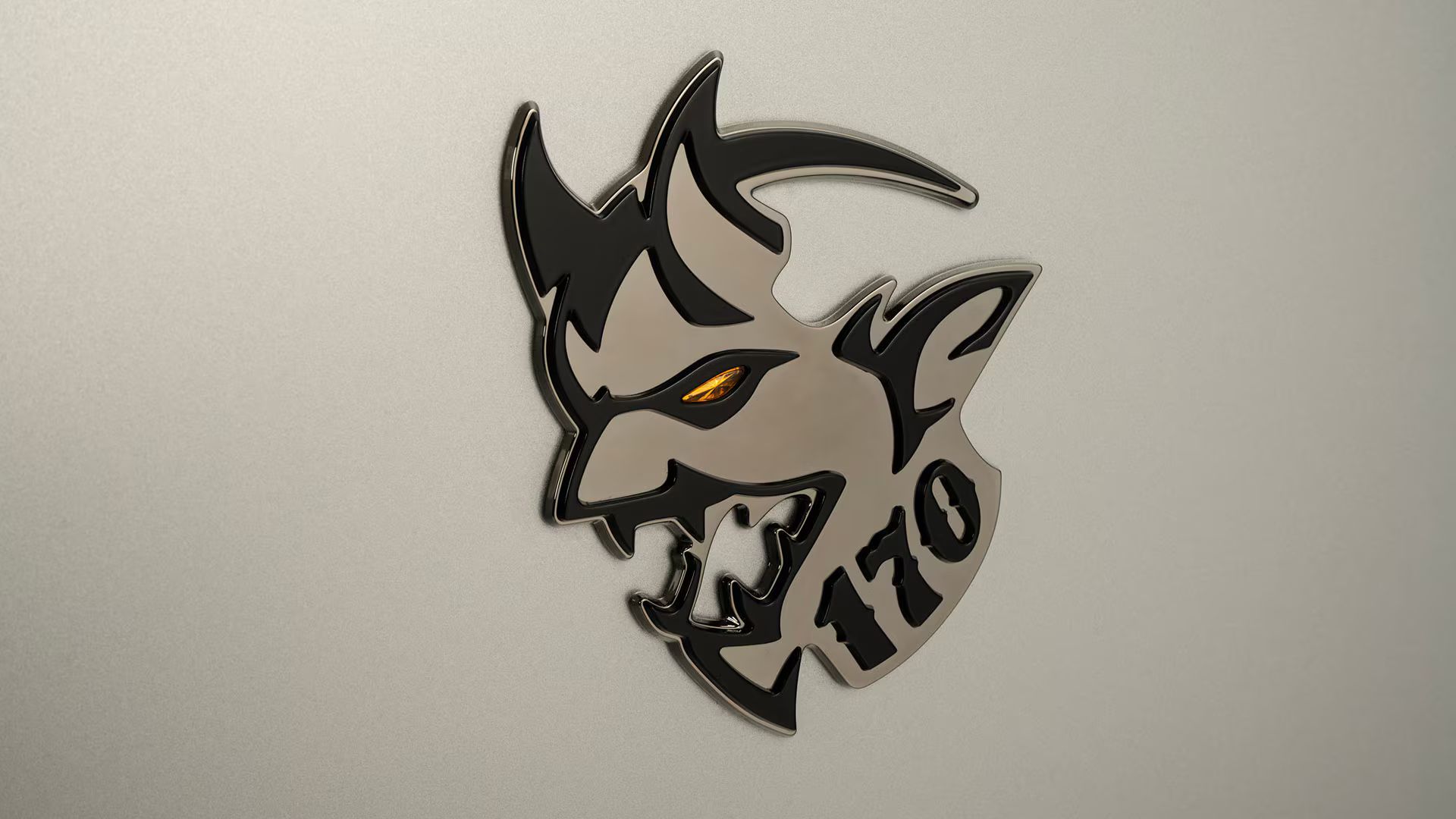
That's why manufacturers usually forced buyers to choose between outright performance and real practicality. Dedicated drag specials became weekend toys, while everyday performance cars gave up ultimate acceleration for comfort. But Dodge decided to change that with the 2023 SRT Demon 170, not just another high-horsepower muscle car, but the ultimate evolution of a platform that had spent over a decade proving American V8 performance could still grow more sophisticated.
2-liter High-Output HEMI V8, engineered to exploit E85 ethanol's higher octane and cooling properties. 0-liter supercharger, the Demon 170 produced 1,025 horsepower and 945 lb-ft of torque on E85, sent through an eight-speed TorqueFlite automatic. 17 mph.
But the real story was how Dodge engineered every system for repeatable performance. The engine got stronger connecting rods, revised pistons, upgraded valve-train components, and recalibrated management to safely use E85's knock resistance. 0 preloaded the drivetrain, and launch control balanced output against grip.
The adaptive suspension was retuned to shift weight rearward, working with factory-fitted Mickey Thompson ET Street R drag radials, tires integrated into the car's development, not treated as afterthoughts.
The biggest achievement was what Dodge didn't sacrifice. The Demon 170 stayed spacious enough for adults, kept a usable trunk, retained modern infotainment and climate control, and met all regulations for a production vehicle sold through dealerships. Unlike aftermarket eight-second cars that need custom tuning, race fuel, or trailers, this was a complete factory package.
Owners could drive to the strip, make competitive passes, and drive home without changing how they used the car.
The Demon 170 arrived as Dodge prepared to end the supercharged HEMI era, with tightening emissions standards and a shift toward electrification. Instead of fading quietly, Dodge showcased the platform's ultimate potential. It proved how far a traditional front-engine, rear-wheel-drive muscle car could go when engineers pursued quarter-mile capability without abandoning production-car refinement.
It wasn't just the fastest Challenger ever, it was the final expression of decades of HEMI development, combining factory reliability, road legality, and drag-strip performance in a way few production vehicles have attempted.
Source: HotCars
Plain-English guides to common problems and what they cost in Boca Raton, plus local shops.