The Long Road from Carburetors to Fuel Injection
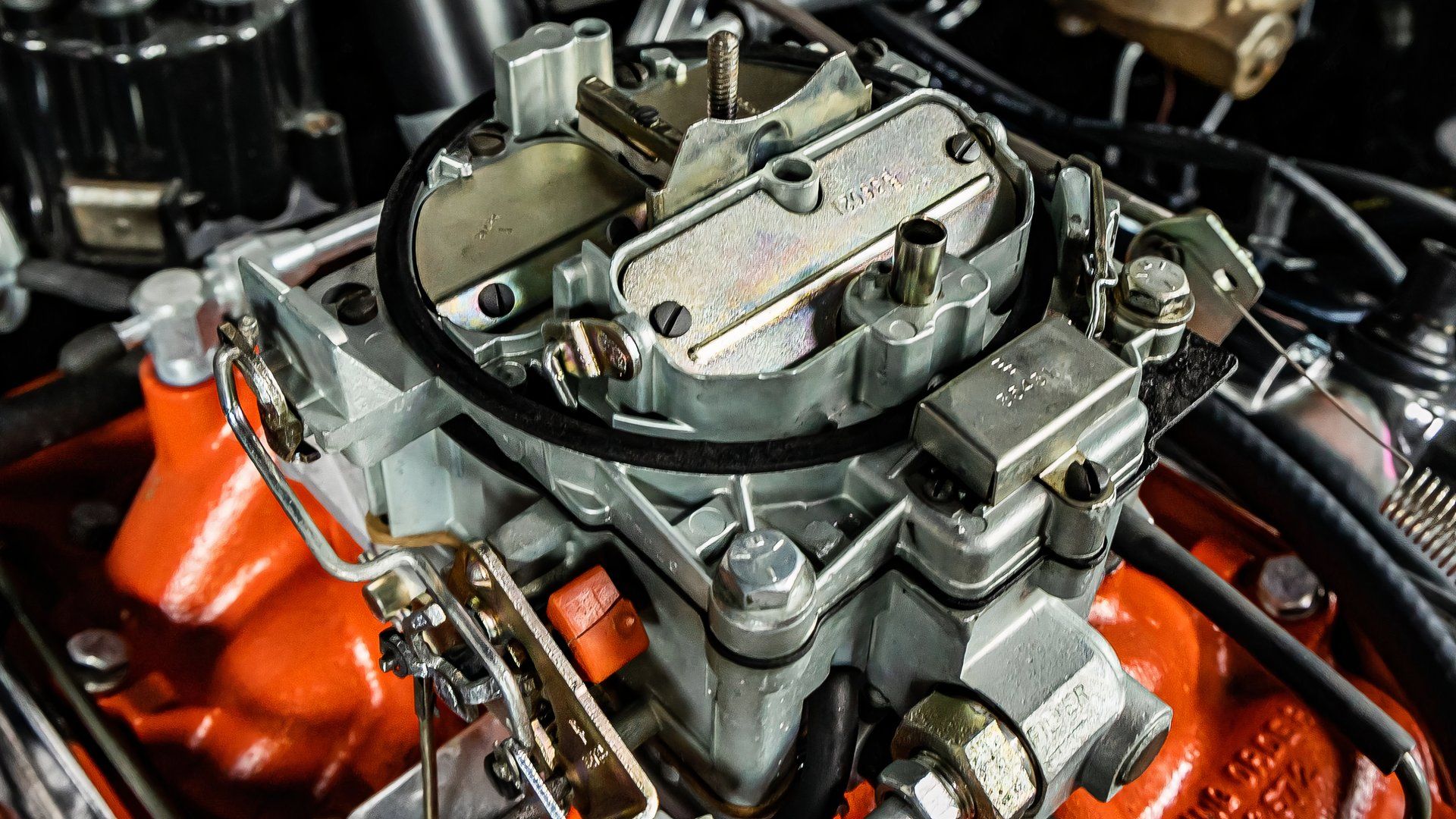
The rivalry between carburetors and fuel injection is nearly as old as the automobile itself, driving major innovations while remaining a passion point for classic car enthusiasts.
The 1954 Mercedes-Benz 300 SL is widely credited as the first production car with mechanical direct fuel injection, and it also marked the beginning of the modern supercar era. Mercedes turned to Bosch for the system to better compete with Ferrari and Jaguar, boosting power from 175 hp to 215 hp.
However, the complex array of pumps, camshafts, and linkages made direct injection too costly and complicated for mainstream use at the time.
Chevrolet introduced its Rochester Ramjet mechanical indirect injection in the 1957 Corvette, and Bosch followed with a similar system for the 1958 Mercedes-Benz 220 SE. Chrysler tried a different path in 1958 with the Bendix Electrojector, an electronically controlled system offered on models like the 300D and Plymouth Fury.
It promised more power and better economy but proved highly unreliable, lasting only one model year before being pulled. Bosch later licensed the patents and developed the D-Jetronic, the first mass-produced electronic indirect injection system, launched in 1967 on the Volkswagen Type 3.
Early fuel injection was notoriously expensive, complicated, and hard to maintain. Many workshops lacked the tools or know-how, and tuners preferred simple carburetors that could be easily swapped for larger units with revised jetting. As a result, carburetors stayed dominant for decades, with early injection systems often removed and replaced.
The 1980s signaled the end for carburetors in production cars, driven by emissions regulations, fuel economy demands, and the rise of reliable, cheap electronic control units. Fuel injection quickly took over. The last American car with a carburetor was the 1991 Ford LTD Crown Victoria, which offered a 351 Windsor V8 with a two-barrel carb producing 150-180 hp.
The Jeep Grand Wagoneer from the same year also used a carbureted 360 AMC V8 with just 144 hp. 3-liter carbureted engine.
Technology advanced rapidly from single-point injection to multi-point and then sequential injection in the early 1990s. By the 2000s, gasoline direct injection (GDI) arrived, finally matching what diesel engines had done since 1936 with the Bosch mechanical direct injection on the Mercedes-Benz 260 D.
GDI uses pressures above 5,000 psi and precise metering for better efficiency, performance, and lower emissions, though some critics call modern turbocharged GDI engines stressed and unreliable.
Carburetors still have a devoted following among muscle car fans and restomod builders. Holley, Weber, and Edelbrock continue to offer a wide range, and specialized aftermarket throttle-body injection systems mimic the look of a carburetor while using ECU-controlled fuel delivery for better performance and emissions.
Fuel injection rules the mainstream, but carburetors are far from dead.
Source: HotCars
Plain-English guides to common problems and what they cost in Boca Raton, plus local shops.