The Legend of the 426 Hemi: Why Detroit’s Most Overbuilt Engine Still Commands Respect
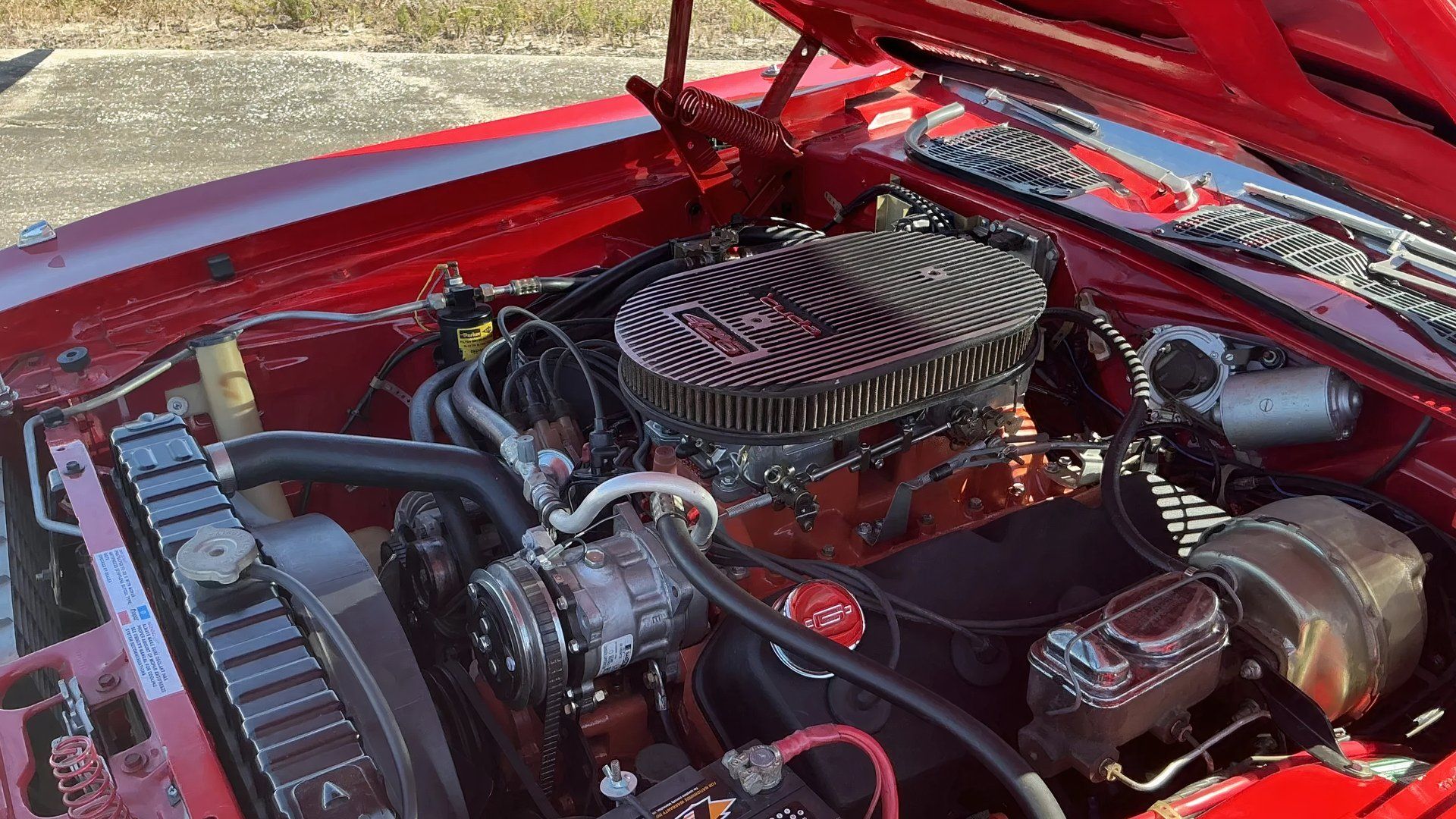
The Chrysler 426 Hemi wasn’t just another big-block. It was a mechanical manifesto, built with thick castings, massive valves, and a bottom end that could shrug off 7,000 rpm like a Sunday cruise. Engineers didn’t worry about saving weight or cutting costs—they focused on creating a powerplant that felt immortal.
The result? An engine that could be stroked, bored, abused, and still refuse to die. It’s a chunk of Detroit iron that rejects fragility and dares you to find its limits.
By the early 1960s, the horsepower war was in full swing, and Chrysler decided to go nuclear. Starting with the stout RB big-block foundation, they built an engine designed for superspeedways—hours of flat-out running without grenading its rotating assembly. The solution wasn’t delicate or lightweight.
It was a rolling test of how much cast iron and forged steel you could pack between frame rails. When the Hemi hit Daytona in 1964, it swept the podium and reset the average speed record. NASCAR immediately realized they had let a sledgehammer into a knife fight.
The Hemi’s engineering was brutally simple. 94-inch exhaust valves moved air with minimal drama. The cam-in-block pushrod valvetrain was tough enough to live at race rpm without turning into shrapnel. The bottom end featured a forged steel crankshaft, cross-bolted mains, and a high-capacity oiling system.
Even the street version, detuned for pump gas, kept the same nuclear-grade architecture. It wasn’t light, cheap, or subtle—but it was engineered to survive conditions that would shame most modern engines.
On the drag strip and the street, the Hemi wrote its legacy. Only about 10,000 street versions were produced, but those that survived decades of misuse and questionable fuel still run today. The nickname “elephant” stuck not just because of the engine’s weight, but because no one forgot how hard it was to kill.
Modern engines may be marvels of efficiency, but the 426 Hemi reminds us that there’s real value in excess material and brutally robust architecture. It’s a lesson in building something that outlasts marketing cycles—and still commands respect.
Source: HotCars
Plain-English guides to common problems and what they cost in Boca Raton, plus local shops.