The Latest Car AC Refrigerant May Be Creating a New Environmental Problem
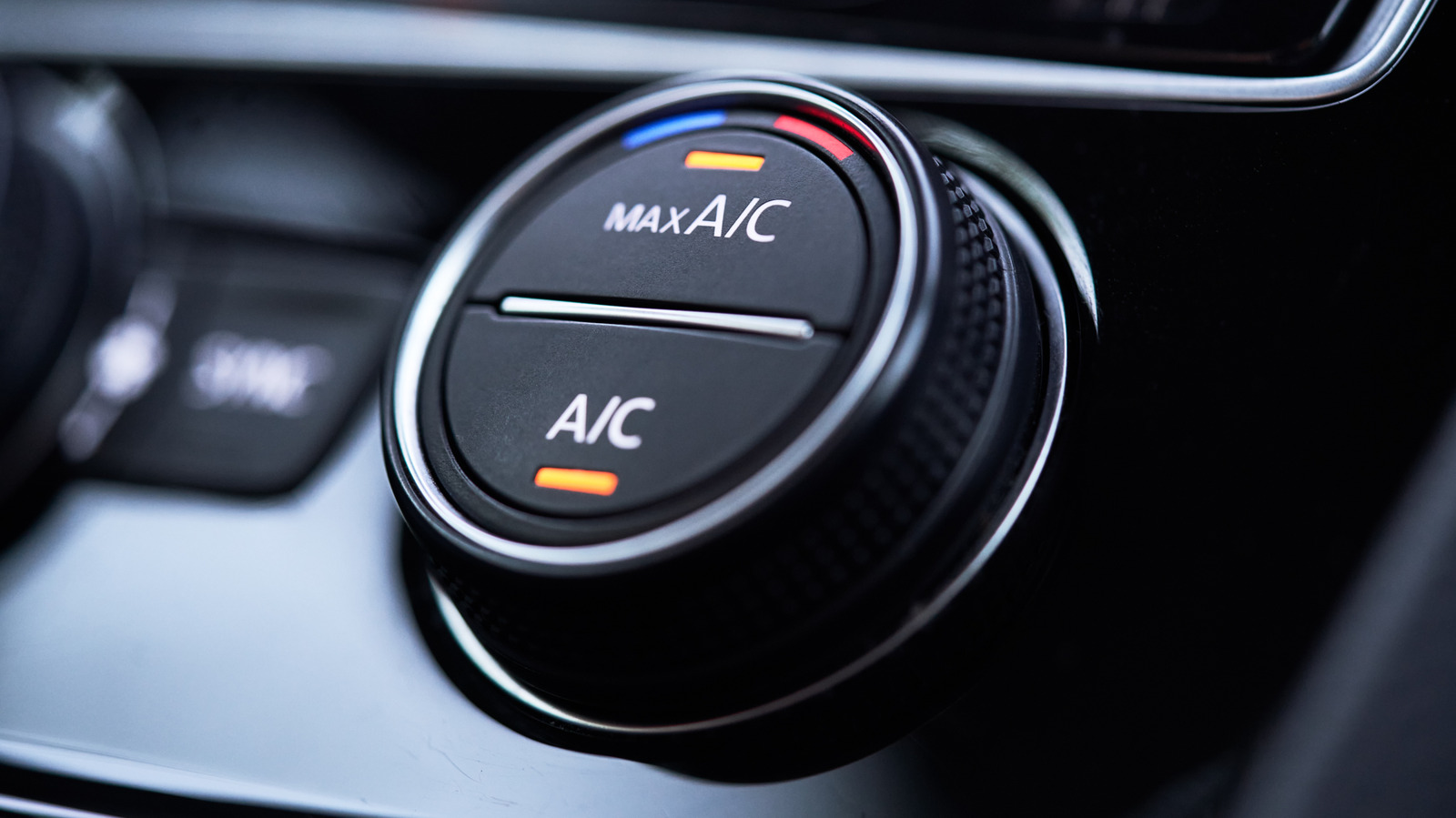
S. But the chemicals that keep us cool have a complicated history. The original refrigerant, R-12, worked well but was phased out in the 1990s after scientists linked it to ozone layer damage. Its replacement, R-134a, was supposed to be the solution, until it turned out to be a major greenhouse gas.
Now, the refrigerant that replaced that replacement, R-1234yf, may be causing its own set of problems.
According to a recent study from the University of Bristol, R-1234yf is quickly becoming a significant source of trifluoroacetic acid, or TFA, a “forever chemical” that has been linked to liver and reproductive harm. While R-134a also produces TFA, the newer refrigerant generates it at a much higher rate.
Even though R-134a has been in use far longer and its emissions are about 22 times higher globally, R-1234yf is already producing roughly three-quarters as much TFA, and it’s only been on the market since 2017. Hotspots for TFA pollution align with areas in Europe where R-1234yf has been used most heavily.
To make matters worse, R-1234yf can break down into greenhouse gases like carbon tetrafluoride and HFC-23, which have a much stronger warming effect than the old R-134a. And it costs more than three times as much. So drivers are paying more for a refrigerant that may actually be worse for the environment than the one it replaced.
It’s enough to make you wonder if the old-school approach, four windows down and cruising at 40 mph, might not be such a bad idea after all.
Source: Jalopnik
Plain-English guides to common problems and what they cost in Boca Raton, plus local shops.