The Japanese Supercar That Never Hit the Road but Ruled the Toy Box
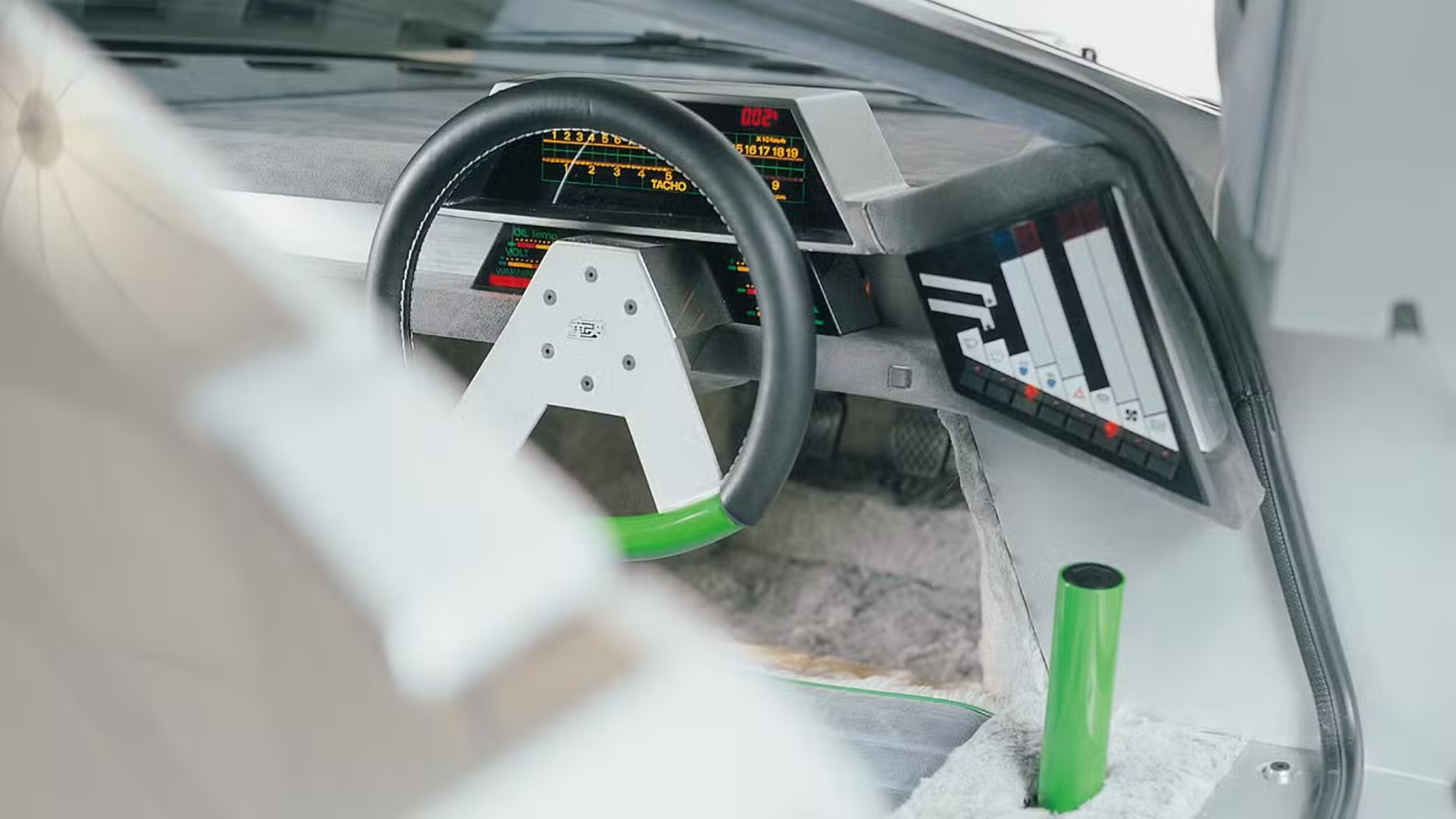
In the 1970s and 1980s, posters of Ferraris, Lamborghinis, and Corvettes plastered bedroom walls across North America. Kids dreamed of owning one someday, and a lucky few adults with deep wallets could make that dream real. But in Japan, a homegrown supercar captured imaginations in a different way—as a die-cast toy.
For most children, the real car would remain forever out of reach. Here’s why.
The story begins with Minoru Hayashi, who founded Dome Co. in 1975. The name translates to "child’s dream" in Japanese, and Hayashi’s vision was to build a small-volume sports car using racing technology. He had already crafted one-off racers like the Honda S600-based 'Karasu' and later Formula Junior cars.
But Dome aimed higher: competing at the 24 Hours of Le Mans. To fund that ambition, Hayashi needed a road car. Enter the Dome Zero, unveiled at the 1979 Geneva Motor Show. 8-liter Nissan straight-six, double-wishbone suspension, and a curb weight under 2,100 pounds. It looked every bit the rival to a Countach or 512 BB.
But Japan’s government had other plans. The Dome Zero couldn’t pass the Ministry of Transport’s homologation rules—safety regulations blocked it. S. market, the Zero P2, but that never made it past a prototype. The road car dream died. Yet the car found an unexpected second life: toy giant Tomys licensed the design for its Tomica die-cast range, and sales of those tiny models poured in cash.
That money funded Dome’s racing program, leading to the Dome Zero RL at Le Mans in 1979 and decades of motorsport success, including building Toyota TOM’S race cars.
The Dome Zero later reached a new generation through the Gran Turismo video game series, starting with Gran Turismo Concept 2001. And Dome never fully gave up on road cars. In 1989, they revealed the Jiotto Caspita, a mid-engined machine with an F1-derived flat-twelve engine. A later version used a Judd V10 with 585 horsepower.
But the Japanese economic crash of the early 1990s killed that project too. The Caspita remains a forgotten prototype. So the Dome Zero never made it to any garage—but it filled plenty of toy boxes and racing history books.
Source: HotCars
Plain-English guides to common problems and what they cost in Boca Raton, plus local shops.