The Jaguar XJ-C: A Stunning Coupe With a Secret Under Its Vinyl Roof
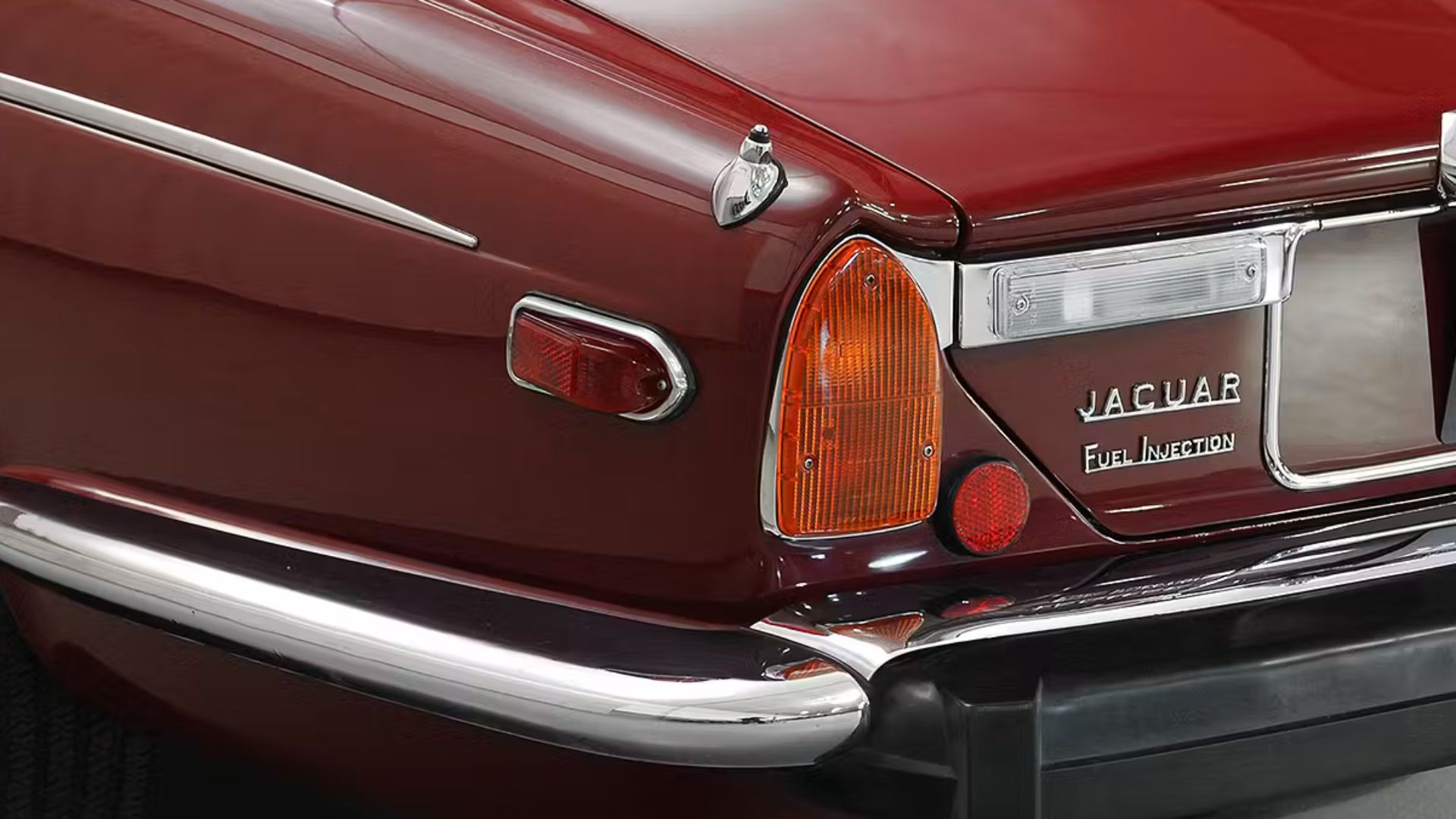
In the mid-1970s, Jaguar had a problem. The roof on its new pillarless coupe kept cracking its own paint. The fix? Cover it with vinyl and call it a luxury feature. That wasn't a styling choice — it was damage control, approved at the factory and shipped on every car. Parent company British Leyland was strapped for cash and couldn't afford to fix the underlying issue, so the workaround became standard equipment.
The car was the XJ-C, and it was one of the most beautiful coupes Jaguar ever built — but it was also deeply flawed. Engineers had been working on a two-door version of the XJ sedan since the late 1960s, but when it debuted at the 1973 London Motor Show, it wasn't ready. The pillarless hardtop design looked spectacular but caused the body to flex.
Sealing the frameless doors at speed was a nightmare, and the complex rear quarter-windows took months to develop. By the time customers got their cars in 1975, the coupe was already two years late.
The vinyl roof hid the structural cracks, but that wasn't the only improvisation. The elongated doors were made by welding two standard front door shells together under a single outer skin — the weld seams are still visible under the interior panels today. Jaguar built just 1,855 V12 coupes before quietly killing the project.
Pricing didn't help: at £11,755, the coupe cost more than the four-door XJ12 sedan, which was longer, more practical, and structurally sound. By 1978, production had dwindled to just 31 cars. Today, restorers are finally finishing what Jaguar started — adding manual gearboxes, stiffening the structure, and stripping away that vinyl roof for good.
Source: HotCars
Plain-English guides to common problems and what they cost in Boca Raton, plus local shops.