The Forgotten Race to Build America’s First Turbocharged Performance Car
In 1962, two General Motors divisions quietly started a competition that most car buyers never even noticed. Without coordinating with each other, Chevrolet and Oldsmobile both decided to put factory turbochargers on production cars and sell them to regular Americans. The result was a pair of vehicles that approached the same engineering challenge from completely different directions — and only one of them really worked.
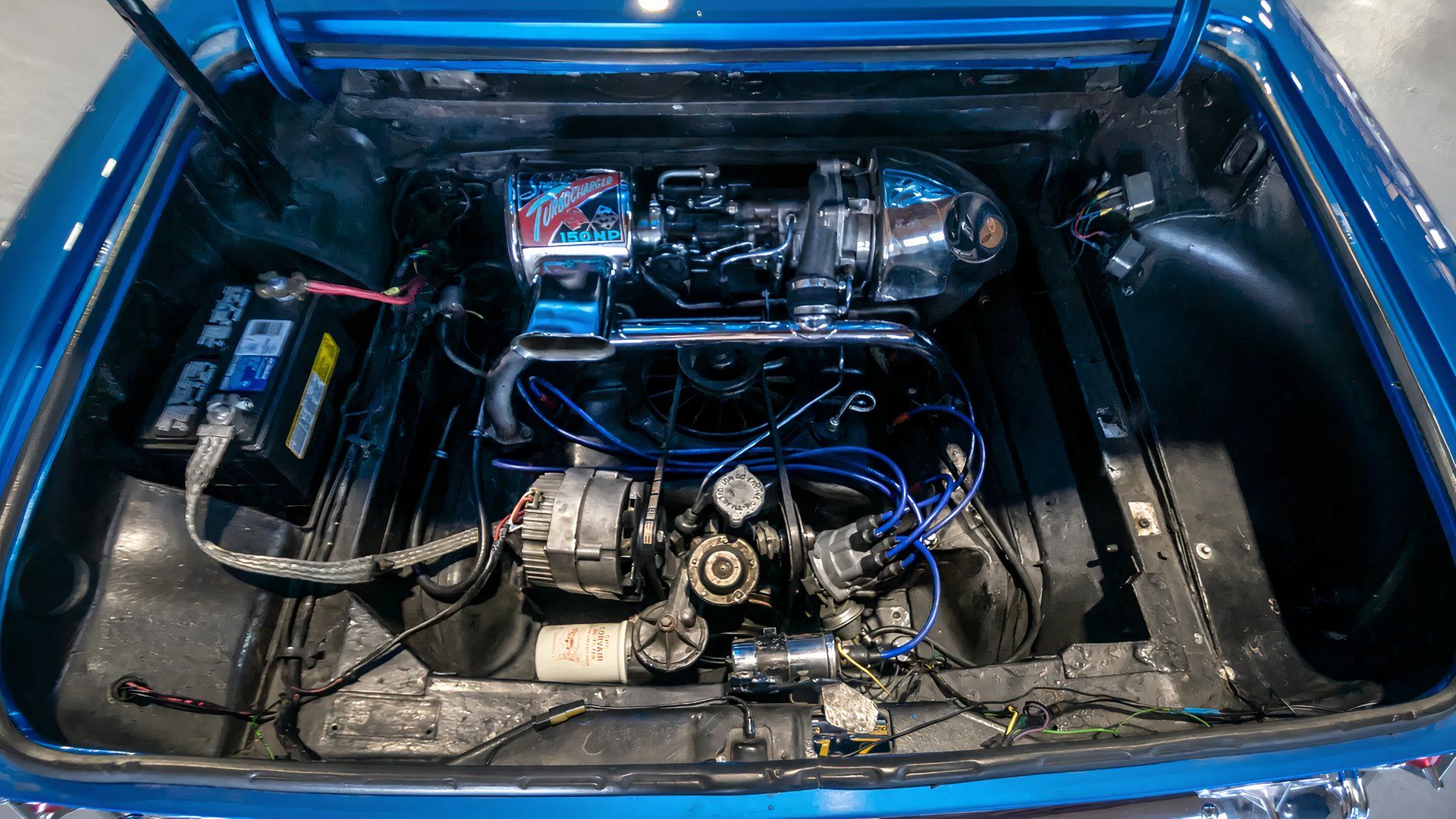
Chevrolet’s entry was the Corvair Monza Spyder, a rear-engine compact that had spent its first two years drawing comparisons to the Volkswagen Beetle. 0:1 and bolted on a TRW turbocharger. The car made 150 horsepower and 210 pound-feet of torque, came with a mandatory four-speed manual, and required no special fluids or owner maintenance.
8 seconds from 0 to 60 mph — not blazing fast even by 1962 standards, but the car ran reliably and kept selling for years.
Oldsmobile took a riskier route with the F-85 Jetfire. 25:1, and relied on a reservoir of methanol-and-water mixture called Turbo Rocket Fluid to prevent engine knock under boost. The system worked — when owners remembered to refill it. When the reservoir ran dry, a safety valve cut the turbo, leaving drivers with a sluggish car and no warning.
The Jetfire lasted just two model years before Oldsmobile offered to remove the turbo system entirely, replacing it with a conventional carburetor. Most owners took the deal.
The Monza Spyder sold nearly 60,000 units through 1966, while fewer than 10,000 Jetfires were ever built. Today, the Jetfire is rare enough that surviving examples with original turbo systems command serious collector premiums — around $25,000 in good condition. The Corvair Monza Spyder is more accessible, with good-condition coupes starting around $8,500.
But the real difference is in what each car represented: the Jetfire was a bold experiment that proved too complex for the real world, while the Monza Spyder was a properly engineered performance package that any Chevrolet dealer could service. It remains the first turbocharged performance car America could actually own and drive.
Source: HotCars
Plain-English guides to common problems and what they cost in Boca Raton, plus local shops.