The Concept Cars That Could Have Saved Chrysler
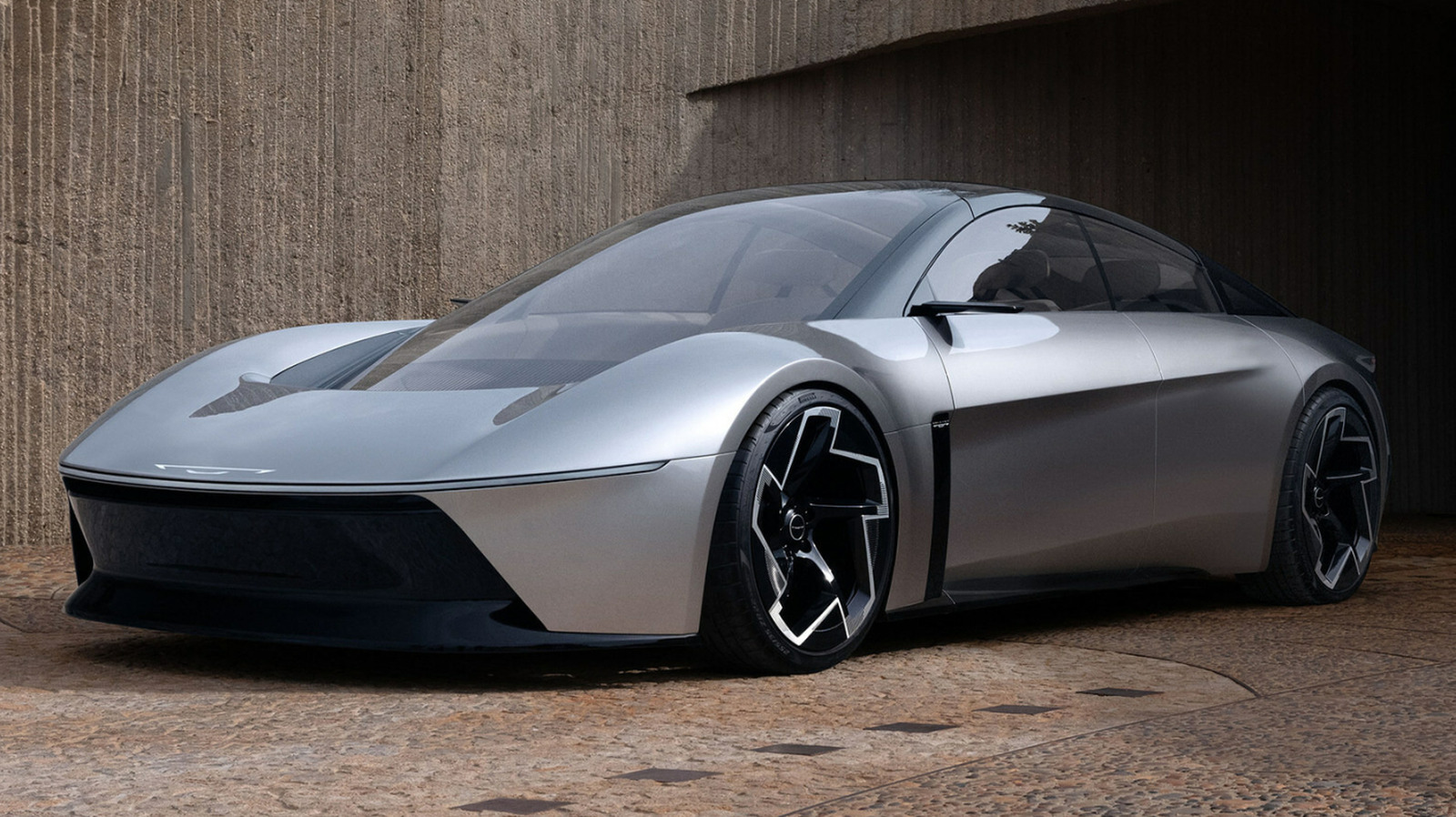
It’s hard to watch a legend fall, and Chrysler’s slow fade over the past two decades has been one of the auto industry’s saddest stories. A brand that once stood toe-to-toe with Cadillac now sells exactly one vehicle in 2026: a minivan that hasn’t seen a real update in ten years.
Just a couple years ago, there was hope, a sleek luxury EV and some genuinely exciting concepts suggested Chrysler might still have a pulse. But the momentum fizzled, and the brand that could have led the electric revolution is now barely hanging on.
The real tragedy is how many chances Chrysler had to turn things around. Take the 1998 CCV, a bare-bones, recycled-plastic car that could be built in six hours and sold cheaply in emerging markets like China. It was shelved after the Daimler merger, and the opportunity vanished.
Or the 1999 Citadel concept, a hybrid wagon with an electric front axle and a V6 out back, that predicted the crossover boom years before anyone else. Then there was the ecoVoyager, a hydrogen-hybrid from 2008 that could have beaten Toyota to the punch on mass-market electrification.
Chrysler promised 500,000 electric vehicles in exchange for bailout money, then quietly killed the program.
And let’s not forget the performance cars that never saw a showroom. The mid-engine ME Four-Twelve concept from 2004 was lighter than a Bugatti Veyron and had a better power-to-weight ratio than a McLaren F1. It was production-ready, but cost analysis killed it. The Firepower, a Viper-based Hemi coupe, met the same fate.
Chrysler had the parts, the talent, and the brand equity to build halo cars, ultra-luxury sedans, and affordable EVs. Instead, it made one bad call after another. The concepts are still beautiful to look at, but they’re also a painful reminder of what could have been.
Source: Jalopnik
Plain-English guides to common problems and what they cost in Boca Raton, plus local shops.