The Chrysler Airflow Was a Bold Bet That Didn't Pay Off
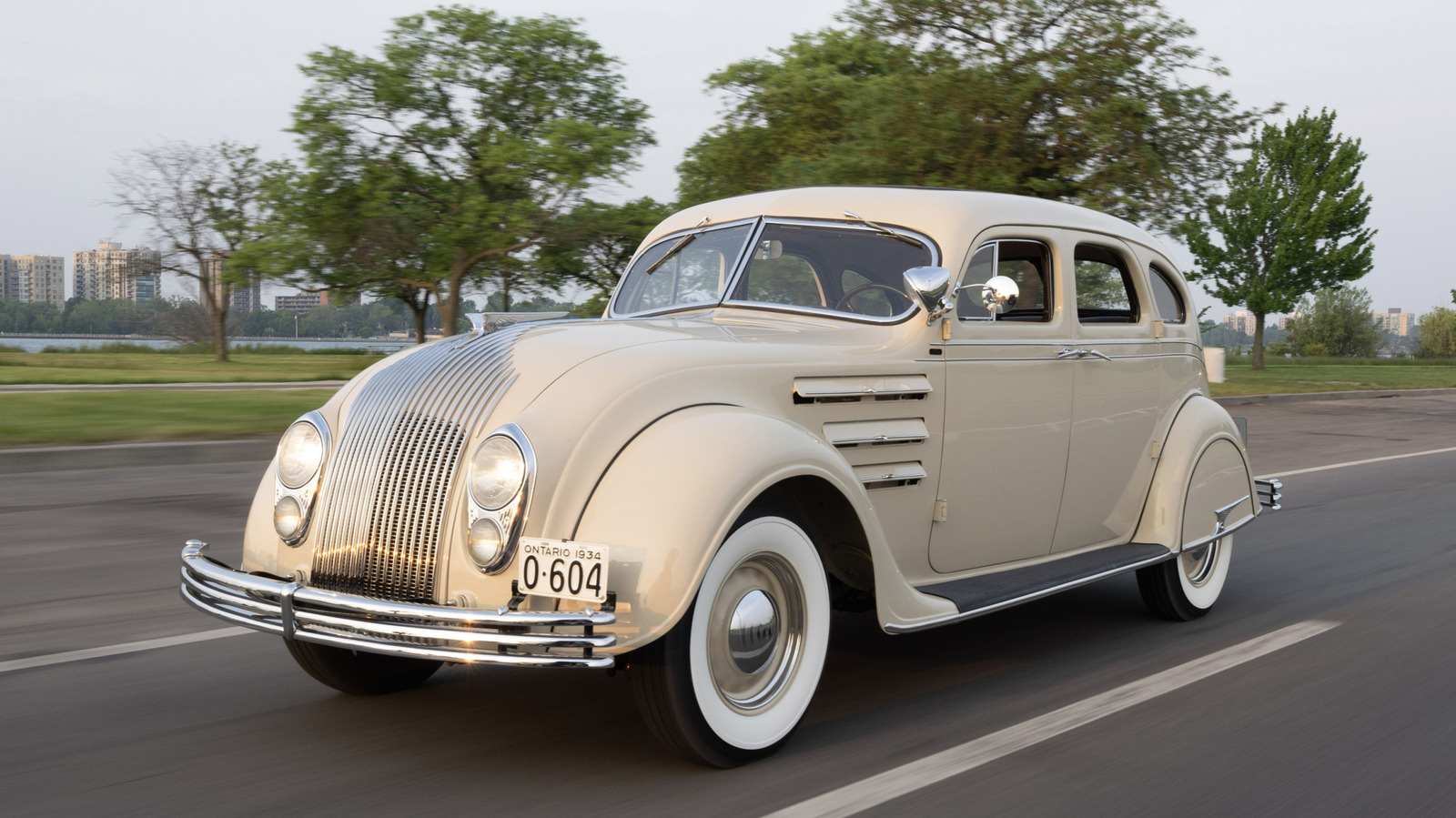
In the mid-1930s, Chrysler took a gamble on a car that looked like nothing else on the road. The Airflow was sleek, with headlights tucked into the front fenders and a waterfall grille that seemed to melt into the hood. It was a radical departure from the boxy, upright designs of rivals like the Buick Series 60.
But that bold look, meant to cut through the wind like an airplane, ended up being too much for buyers of the era.
Chrysler engineer Carl Breer got the idea while watching planes fly in formation. He built the auto industry's first wind tunnel, a small 2-by-3-foot box, to test how air moved over scale models. The result was a car that tapered from front to back, a shape that improved aerodynamics.
But the Airflow's problems went beyond its looks. Chrysler rushed production to beat a rival GM model, leading to faulty engine mounts that could drop the motor onto the road. There were also complaints about structural integrity, though some of that was fueled by competitors' ads, like GM's "steel is not enough" campaign.
The timing couldn't have been worse. S. history, 25% of workers were jobless in 1933. A base DeSoto Airflow cost $995, which was more than the average annual income of $946. The top-end Chrysler Imperial Airflow CW ran over $5,000, roughly what a Mercedes-Benz S-Class costs today.
Chrysler sold only about 55,000 Airflows before killing it in 1937. Despite its innovations, the car never recovered from a production delay, mechanical flaws, and an economy that left few willing to take a chance on something so different.
Source: Jalopnik
Plain-English guides to common problems and what they cost in Boca Raton, plus local shops.