The BMW M50 Inline-Six Keeps Aging E36 325is on the Road
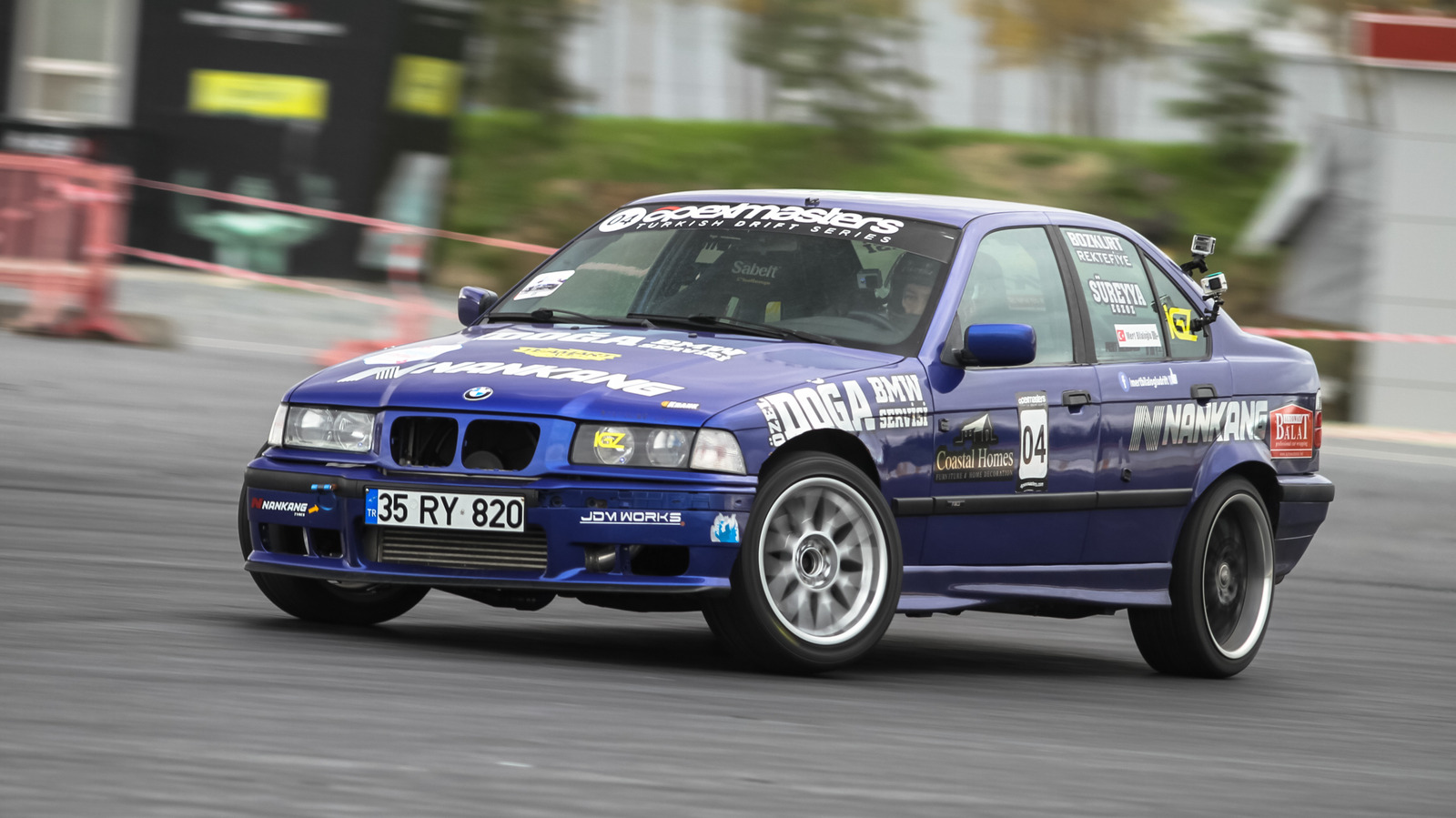
The 1990s were a strong decade for BMW, with the E30 M3 still competing in German DTM racing and the E36 M3 following up well. The E39 M5 later impressed fans with its high-revving V8 and sharp handling. 5-liter inline-six stood out as a dependable workhorse that explains why affordable E36 325is remain common today.
The M50 was built from 1990 to 1996, replacing the M20. , only the M50B25 was offered, and it marked BMW's first six-cylinder with dual overhead camshafts. It used an iron block and aluminum head, producing 189 horsepower and 180 pound-feet of torque. A 1992 update added VANOS variable valve timing on the intake cam, improving low-end torque without changing output.
This engine appeared in the E36 325i (coupe, sedan, convertible) and E34 525i (sedan, wagon) in America.
The M50 has no unusual problems, according to fans. Typical maintenance items like water pumps, thermostats, and valve cover gaskets are the main concerns. The coolant expansion tank, radiator, cooling fan, and idle air control valve also need attention, especially since these cars are over 30 years old.
The idle air control valve can often be cleaned, though replacement is pricey. For those who drive hard or modify the engine, checking the oil pump nut is advised, as it can back out from vibrations; cheap aftermarket kits can secure it.
The M50's forged steel crankshaft and iron block make it a good turbocharging candidate, with enthusiasts reaching 400-500 horsepower or more using upgraded internals and proper tuning. Common upgrades include camshafts and headers. 2-liter S52 engines for better top-end power. With straightforward maintenance, the M50 lasts a long time, which is why cheap E36 325is refuse to disappear.
Source: Jalopnik
Plain-English guides to common problems and what they cost in Boca Raton, plus local shops.