The Accidental Million-Dollar Pontiac: How Three Ordinary Choices Created a Legend
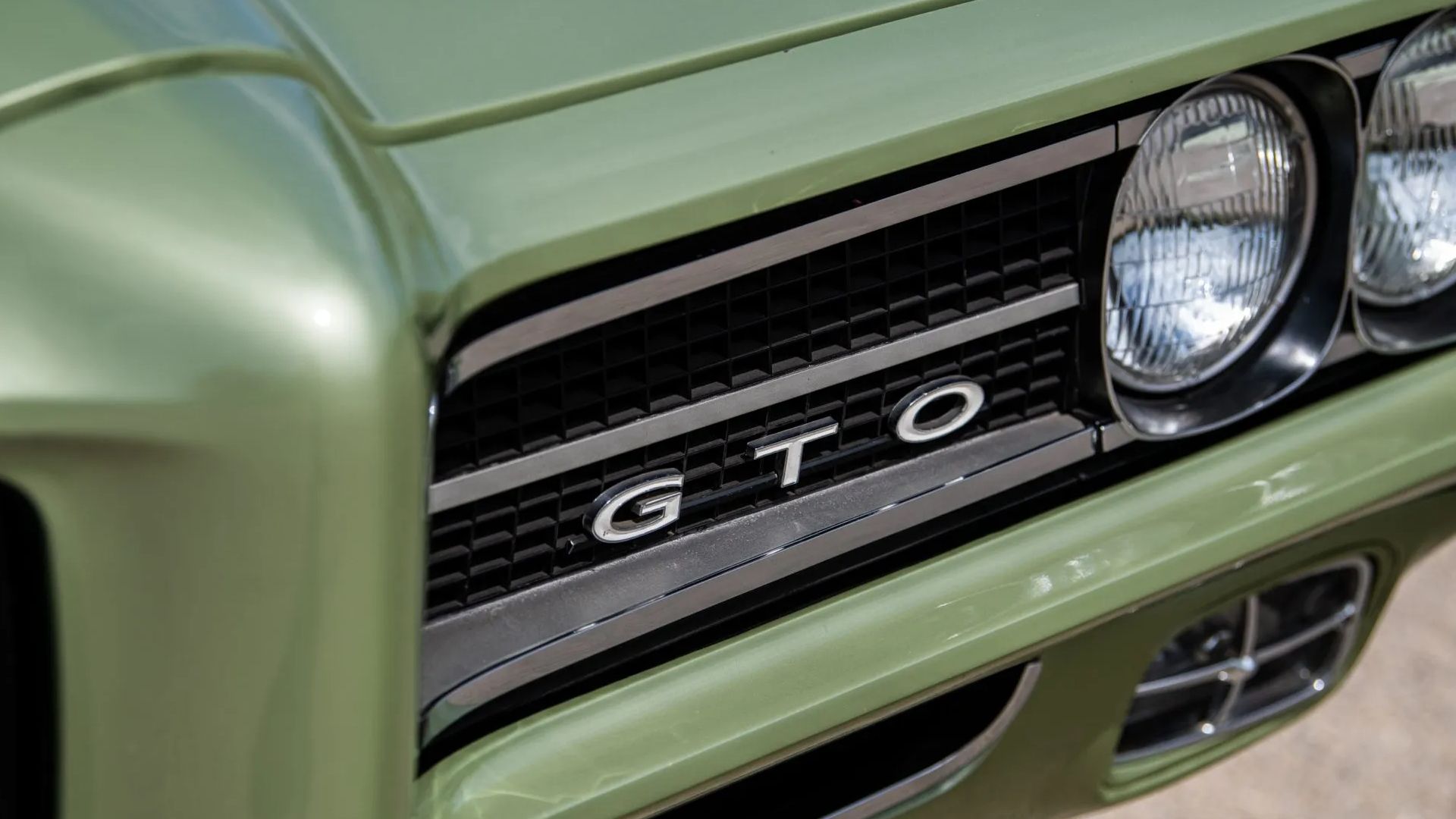
Most legendary muscle cars were born from careful planning and marketing campaigns. Then there’s the 1969 Pontiac that became a seven-figure phantom almost by accident. Back in 1969, a handful of customers walked into Pontiac dealerships and checked off a few seemingly ordinary options.
At the time, it was just another order. Decades later, that combination would become one of the most sought-after factory builds in collector history. The irony is that nothing about the original purchase hinted at future fame, no limited-edition badge, no special marketing push.
Just three checkboxes on a form, made during the final peak of the muscle-car era.
By the late 1960s, Detroit had turned order sheets into performance menus. Buyers could choose axle ratios, heavy-duty cooling, and competition-inspired engines. The rarest cars weren't special editions announced with fanfare, they were ordinary production models built in combinations that almost nobody selected.
Timing amplified those decisions. Insurance companies were cracking down on horsepower, emissions rules were tightening, and buyers were abandoning convertibles for cheaper, stiffer hardtops. Pontiac’s answer came mid-year with the Judge package, a value-oriented performance kit that quickly became the division’s halo offering.
But its greatest asset wasn’t the flashy graphics or rear spoiler. Buried in the options list was the Ram Air IV engine, a competition-bred V8 developed from Pontiac’s high-performance program. Few customers paired that engine with an open-top body. Convertibles were already niche, and loading up every performance option pushed the price higher.
Those ordinary market forces, not deliberate production limits, created what collectors now chase.
The result of those three choices, the Judge package, the Ram Air IV engine, and a convertible body, is the 1969 Pontiac GTO Judge Ram Air IV Convertible. Pontiac officially rated the 400-cubic-inch V8 at 370 horsepower, but enthusiasts believe it produced closer to 450. 7-second quarter-mile, making it one of the quickest American production cars of its era.
Exactly how many were built remains a mystery. Most registries point to five, but surviving factory records can’t definitively confirm that number. That documentation gap has only added to the car’s mystique. In 2010, a documented example sold for $682,000 at auction, and others have approached the million-dollar mark.
Pontiac never intended to build its most valuable Judge. It simply let buyers combine a bold appearance package, a race-ready engine, and an unpopular body style on the same order form. Half a century later, that combination is the hobby’s ultimate factory unicorn.
Source: HotCars
Plain-English guides to common problems and what they cost in Boca Raton, plus local shops.