The $4,000 Car That Vanished: Where Did All the Yugos Go?
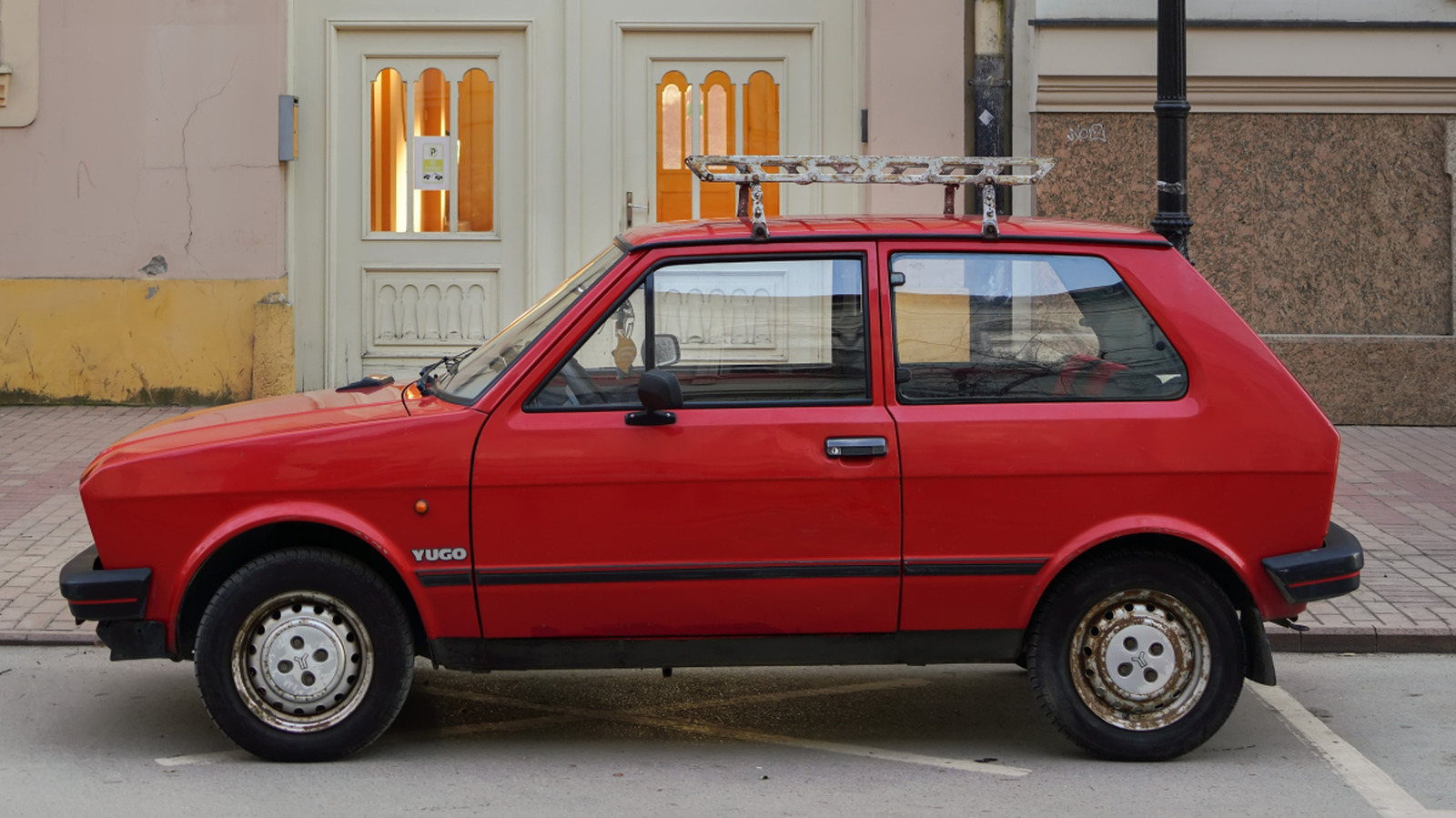
If you walked into a dealership today looking for the cheapest new car, you’d be staring at a bare-bones Hyundai Venue with a $22,650 sticker. Back in 1985, the Yugo GV, short for “Great Value”, sold for just $3,990. Adjusted for inflation, that’s about $12,427 today. The Yugo gets roasted for being unreliable and poorly built, but here’s the thing: a cheap, fuel-efficient commuter car simply doesn’t exist anymore.
And that’s a real loss. More than 140,000 Yugos found American driveways. So where did they all go?
At a time when a Toyota Tercel or Ford Escort ran around $6,000, the Zastava-built Yugo GV was a lifeline for working-class buyers. It worked, too. In 1987 alone, nearly 50,000 people bought one. With inflation climbing and the 1987 stock market crash fresh in memory, Americans were desperate for an affordable way to get around.
The Yugo delivered, sort of. It was underpowered, with a 55-horsepower Fiat engine that topped out at 86 mph, but it managed 30 miles per gallon. That was impressive for its era.
The problem was everything else. Yugos rusted, broke down, and fell apart faster than most cars. Their thin steel bodies and interference-style engines meant skipping a timing belt replacement could destroy the motor. , according to Experian data. The North American Yugo Registry lists just 40 survivors today.
Trade sanctions during the Yugoslav wars killed exports, and by the time they lifted in 1995, the name was a punchline. Still, Zastava built nearly 800,000 Yugos globally before production ended in 2008. A few remain in the hands of devoted enthusiasts, but you almost never see one on the road anymore.
That’s a shame, because America could really use a $12,000 car right now.
Source: Jalopnik
Plain-English guides to common problems and what they cost in Boca Raton, plus local shops.