The 1990s Mazda That Costs Less Than an RX-7 and Comes With a Rare Three-Rotor Engine
Most collectors chasing a 1990s Mazda rotary dream go straight for the FD-generation RX-7. That car is iconic, lightweight, and getting expensive fast. But a growing number of savvy buyers are looking at a different Mazda from the same era: the Eunos Cosmo. It’s a luxury grand tourer that was sold only in Japan, packs a more powerful three-rotor engine, and now meets the 25-year federal import rule.
The best part? It typically sells for thousands less than a comparable RX-7.
The Cosmo is no sports car. It weighs about 3,500 pounds, seats four, and came only with a four-speed automatic. But under the hood, it shares the same rotary DNA as the RX-7, and in some ways goes further. The top model uses a 20B-REW three-rotor engine with sequential twin turbos, making 276 horsepower and 296 lb-ft of torque.
It was the first production car in the world to combine a three-rotor rotary with that turbo setup. The chassis uses double wishbones up front and a multi-link rear, with ventilated discs all around. Type S models get firmer suspension and wider wheels.
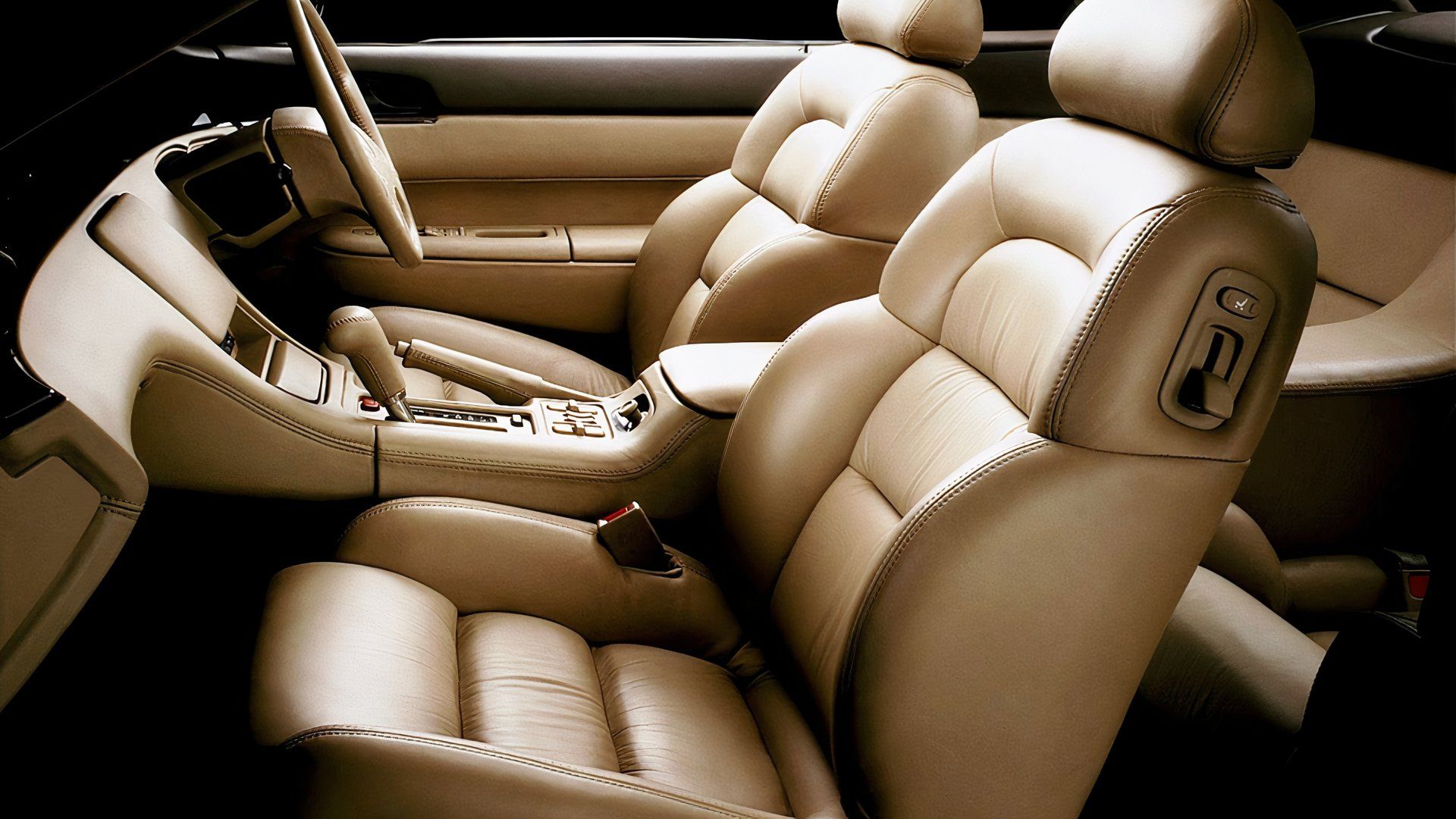
Inside, the Cosmo was ahead of its time. Select versions featured Mazda’s Car Communication System, a color touchscreen that controlled climate, audio, TV, navigation, and even a phone. It used GPS years before such systems became common. Today, those electronics look dated and can be fragile, but they tell a story of Mazda’s ambitions during Japan’s bubble economy.
Production ran from 1990 to 1995, with only about 8,850 units built. Roughly 40 percent got the three-rotor engine. That rarity, combined with the car’s engineering and lower price, makes the Cosmo a compelling alternative for collectors who want something unusual. Just be ready for the maintenance challenges that come with aging rotary engines and complex electronics.
Source: CarBuzz
Plain-English guides to common problems and what they cost in Boca Raton, plus local shops.