The 1967 Corvette Engine That Broke Every Rule and Never Got Caught
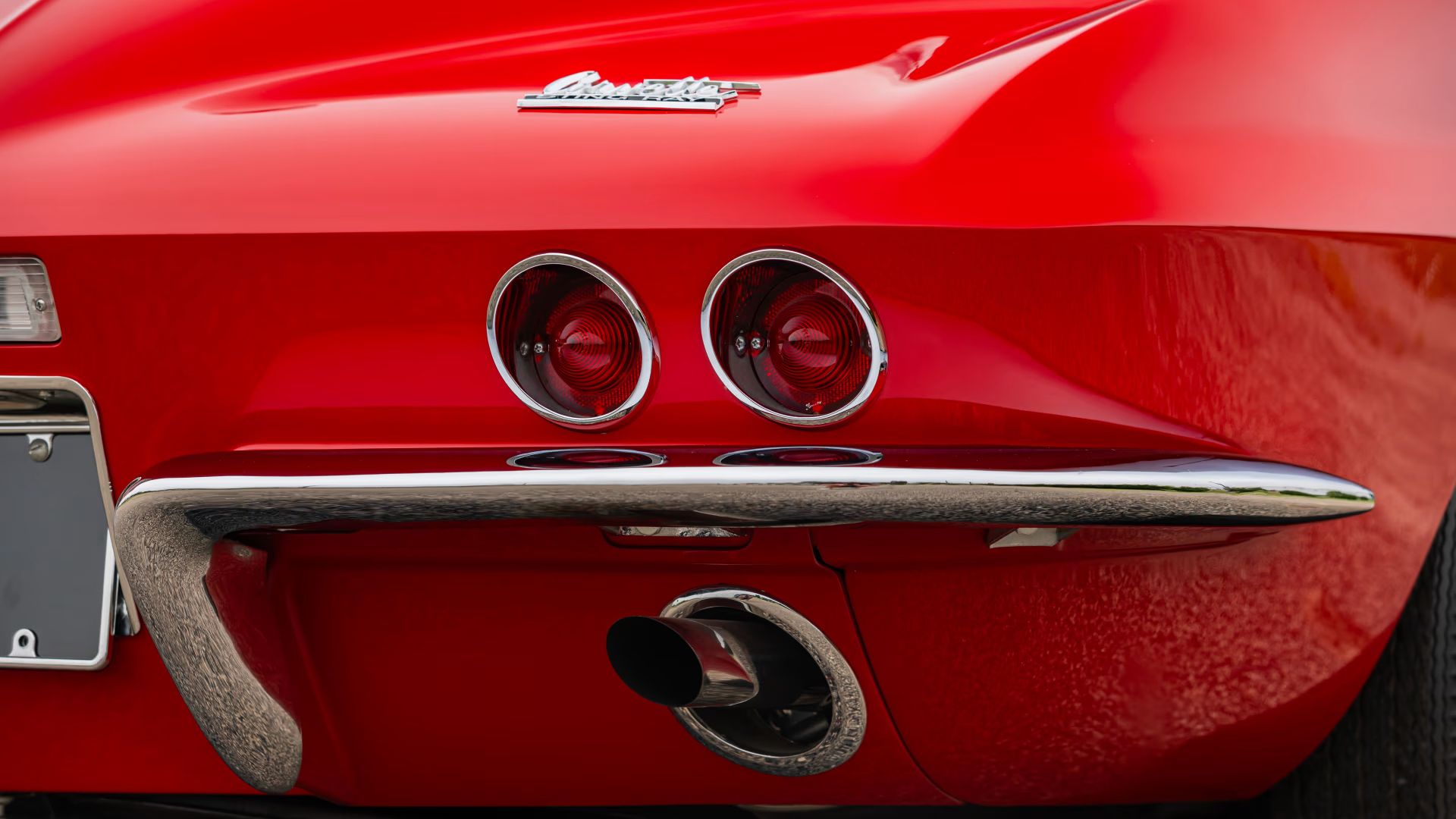
In 1967, a buyer with enough cash could walk into a Chevrolet dealership and order a factory-built race engine tucked inside a street-legal Corvette. It was one of the most extreme machines Detroit ever sold to the public, and nearly everything about it is now illegal, obsolete, or both.
The compression ratio is too high for any fuel sold at a modern pump, the gasoline it required has been banned for decades, and even its horsepower rating was a deliberate lie. Strangest of all, the company that built it didn't want most customers to know it existed.
0-liter big-block V8 offered in the Corvette from 1967 to 1969. On paper, it was a regular production option, but the hardware told a different story. 5:1, backed by forged steel connecting rods and a hardened crankshaft. Chevrolet made no secret of how serious this combination was: every L88 carried a factory label mounted behind the shifter, warning that the car required fuel with a minimum of 103 research octane or engine damage could result.
The rest of the car pushed buyers away just as hard. Ordering the L88 meant the heater and defroster were deleted, and a radio couldn't be ordered at any price.
Chevrolet rated the L88 at 430 horsepower and knew it was a lie. Modern dyno testing tells a very different story, with near-stock examples consistently producing well over 500 horsepower. The corporation's self-imposed cap of one horsepower per 10 pounds of curb weight produced open fictions across its lineup.
But here's the twist: the Corvette was exempt from that corporate cap, yet Chevrolet deliberately underrated the one car it didn't have to. Insurance companies and regulators were watching high-performance cars closely, and a modest paper rating kept the L88 off their radar while the engine kept winning races.
5:1 compression, the L88 demanded leaded fuel rated at 103 octane, a specification that no longer exists at any American pump. Today's premium pump gas tops out at 91–93 octane, and running that through a carburetor is a recipe for detonation. Emissions rules close the door completely: the 1967 cars carried no emissions equipment, and nothing about the engine could approach modern standards.
Even the horsepower lie would be impossible now. None of that has hurt the L88's value. 85 million paid for a 1967 L88 coupe in 2014. The specs that would ban this engine from the road today are the same ones that made it priceless.
Source: HotCars
Plain-English guides to common problems and what they cost in Boca Raton, plus local shops.