Rivian vs. Tesla vs. BMW: Which EV Holds Up Best? The Real Numbers Are In
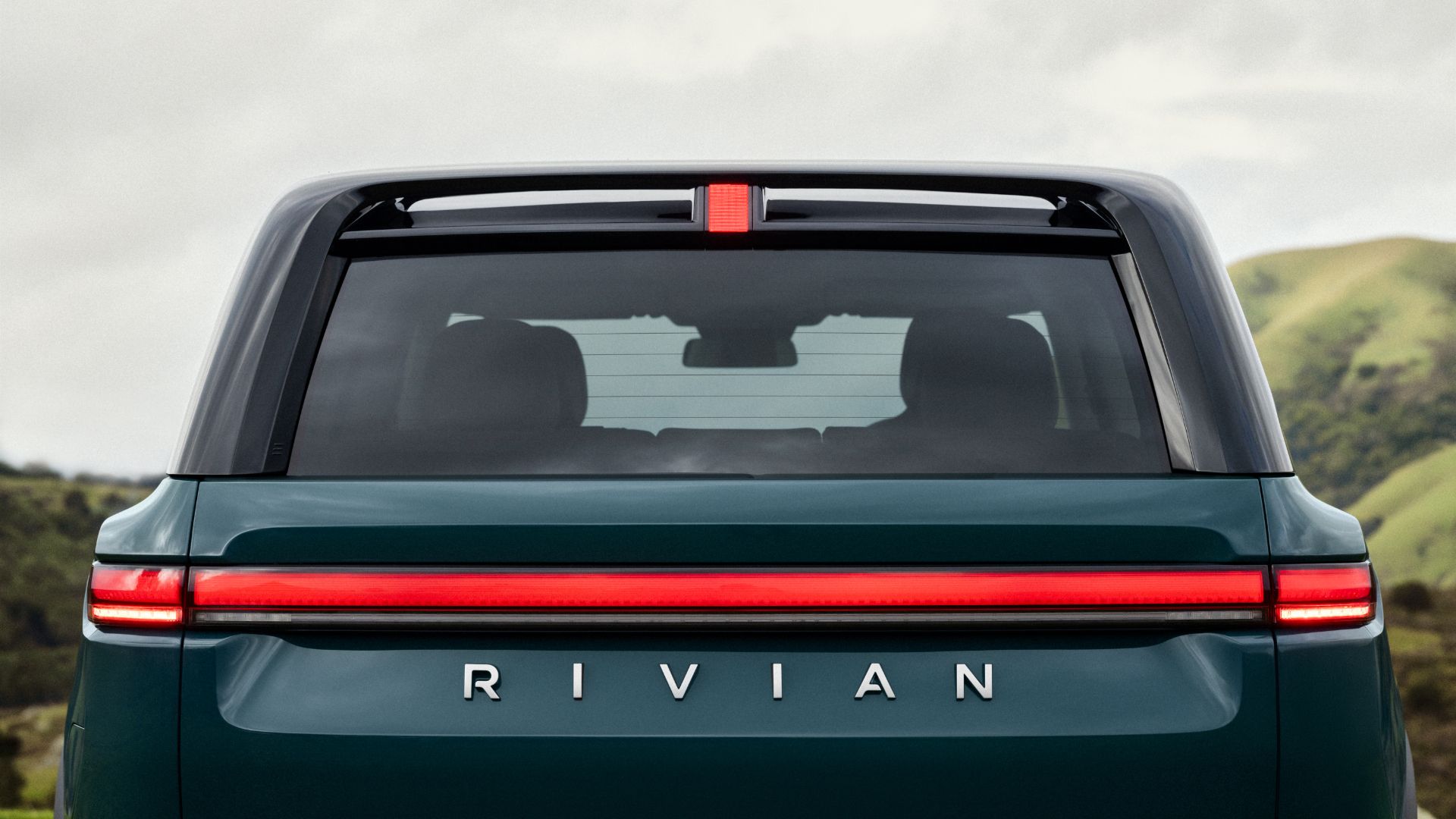
Back in 2018, Tesla owned the electric car market in the United States. The Model 3 was selling strong, electric pickups didn't exist yet, and Rivian was just starting to tease bold prototypes. German luxury brands like BMW hadn't fully committed to EVs either. Fast-forward to 2026, and we finally have enough real-world data to compare how these early electric vehicles actually hold up in terms of reliability and long-term value.
For anyone shopping for a used luxury EV, the answers might surprise you.
According to JD Power's Quality and Reliability scores from 2024 through 2026, Rivian lands at the bottom of the pack. The R1T and R1S score in the high-60s to low-70s, which is considered fair to average. Tesla's Model X and Cybertruck both earn "Great" ratings, with the Cybertruck hitting 86 out of 100.
The BMW iX sits consistently in the mid-to-high 70s. The biggest headaches for EV owners aren't motors or batteries—they're infotainment glitches, connectivity issues, and finicky software. Over-the-air updates don't always fix the problem, and sometimes make things worse.
Depreciation is another story entirely. iSeeCars data shows the Tesla Model X loses 56 percent of its value in three years—about $1,600 per month. The Cybertruck drops 53 percent. BMW iX owners lose 48 percent. Rivian fares better, depreciating around 32 percent, which translates to roughly $640 per month.
But that might change as more used Rivians hit the market. The smart play for 2026 buyers? Skip the brand-new model and grab a lightly used example. You'll get nearly the same experience for thousands less, without taking the initial depreciation hit.
Source: CarBuzz
Plain-English guides to common problems and what they cost in Boca Raton, plus local shops.