Plastic Repairs on Your Car: When to Weld vs. When to Glue
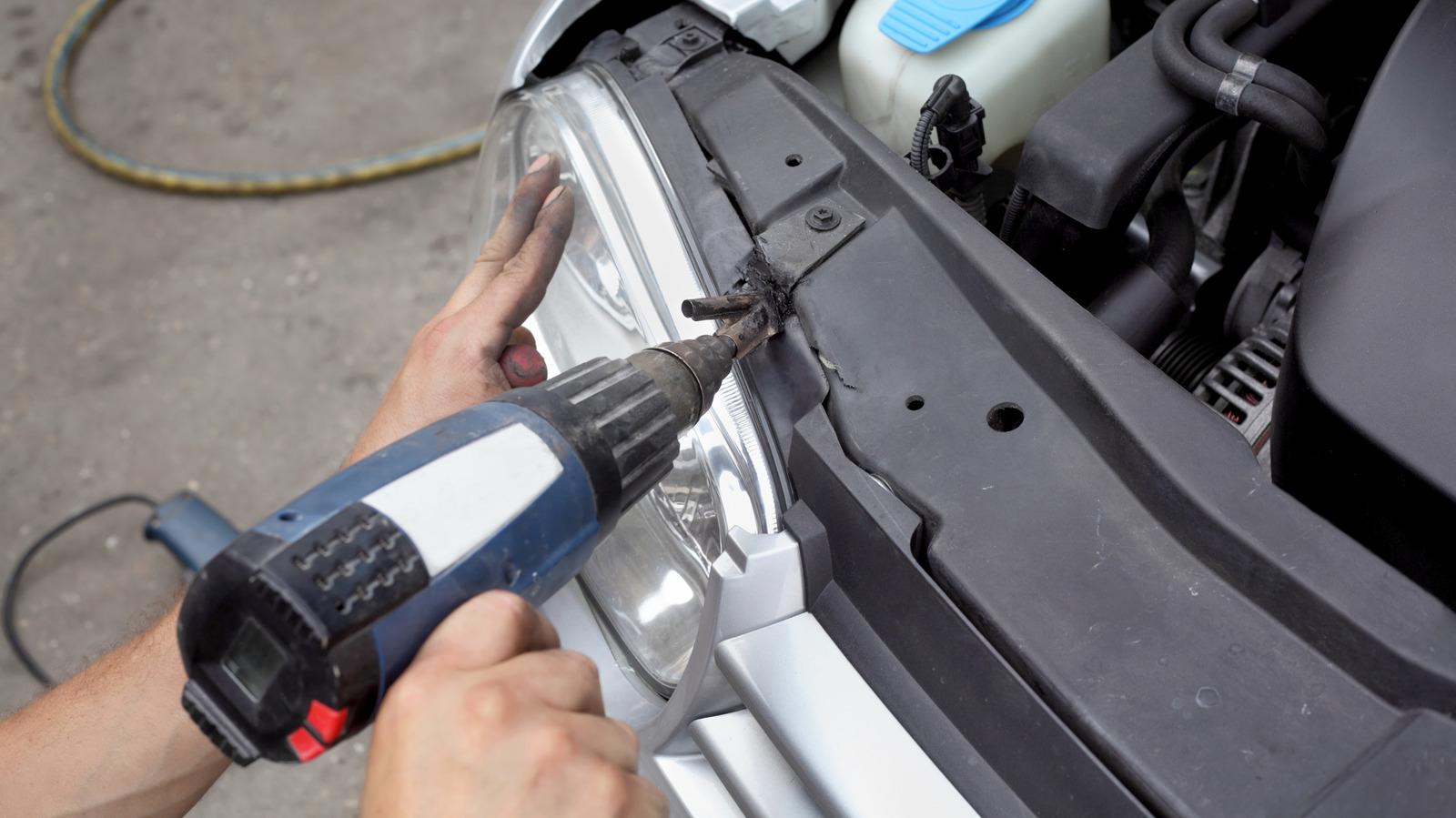
If you drive a BMW, Audi, Lexus, or any modern car, a lot of your vehicle's parts are made of plastic. Think bumper covers, trim pieces, and interior panels. When one of those gets cracked or broken, you have two choices: weld it or glue it. Here's what that means for your repair.
Plastic welding melts the broken pieces together, creating a bond that's 80% to 100% as strong as the original part. It's ideal for weight-bearing parts like bumpers and dashboard frames, especially on German and Japanese cars. But not all plastics can be welded. Only thermoplastics (like polypropylene, common on bumper covers) can be fused this way.
Thermoset plastics (like polyurethane) won't melt, so welding doesn't work on them.
That's where plastic adhesives come in. They're like super-strong glue, and they work on both types of plastic. They're also the only option if you need to bond plastic to metal or fiberglass. But they're not as strong—usually just 30% to 50% of the original material's strength—and they can fail under extreme heat or vibration.
Plus, they require careful surface prep and curing time, which makes the job slower.
At our shop, we've been fixing European and Japanese cars since 1989. We choose the method based on the plastic type and the part's job. For a cracked bumper on your Mercedes or a broken trim piece on your Toyota, we'll weld when we can and glue when we must. Either way, you get a repair that lasts.
If you're concerned about a plastic part on your car—maybe after a fender bender or from wear—stop by. We'll take a look and let you know what's best. No pressure, just honest advice from a family shop that's been here for decades.
Source: Jalopnik
Plain-English guides to common problems and what they cost in Boca Raton, plus local shops.