Mercedes Admits Touchscreen Obsession Went Too Far, Brings Back Buttons
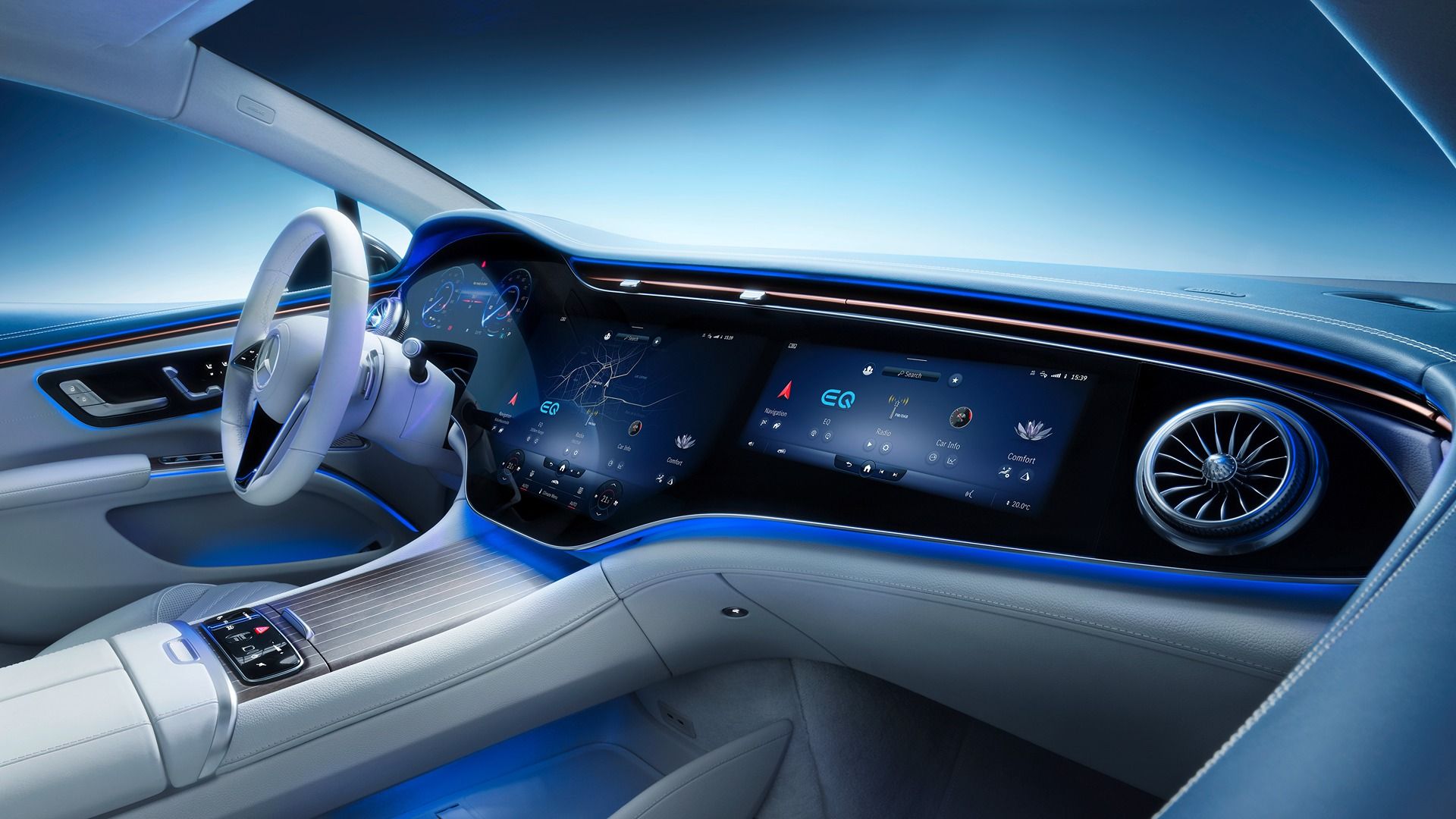
Mercedes-Benz is finally acknowledging what many drivers have long suspected: not every function belongs behind a touchscreen. CEO Ola Källenius recently conceded that the brand sometimes pursued technology for its own sake, an unusually candid admission from a company that went all in on screen-dominated interiors.
He has suggested future models will place more emphasis on physical buttons, though the firm isn't abandoning large displays entirely.
6 inches narrower than the original 1998 Smart City Coupe. 1-inch continuous screen. Mercedes has invested heavily in this hardware, including 12 actuators for haptic feedback and glass formed at roughly 1,202 degrees Fahrenheit.
MBUX debuted in the A-Class in 2018 with a mix of touchscreen, console touchpad, and touch-sensitive steering wheel controls. The "Zero layer" software aimed to predict functions and reduce menu scrolling, but even with 8 CPU cores and 24 GB of RAM, operation didn't always feel effortless.
The company has since reviewed user data and concluded that physical controls work better for frequent tasks and certain customer groups.
Evidence of the change appears in the latest GLS and electric GLC, which keep large displays but add steering wheels with conventional buttons, rockers, and rollers. Mercedes still sees screens as vital for showing camera images, navigation, and software updates, but it now accepts that drivers shouldn't have to look at glass for basic functions.
NHTSA has long encouraged limiting visually demanding tasks while driving, and Mercedes appears to be listening. The takeaway: minimalism isn't the same as simplicity, and the best interior isn't the one with the fewest buttons.
Source: CarBuzz
Plain-English guides to common problems and what they cost in Boca Raton, plus local shops.