Mazda's Skyactiv-X: The Combustion Breakthrough That Never Took Off
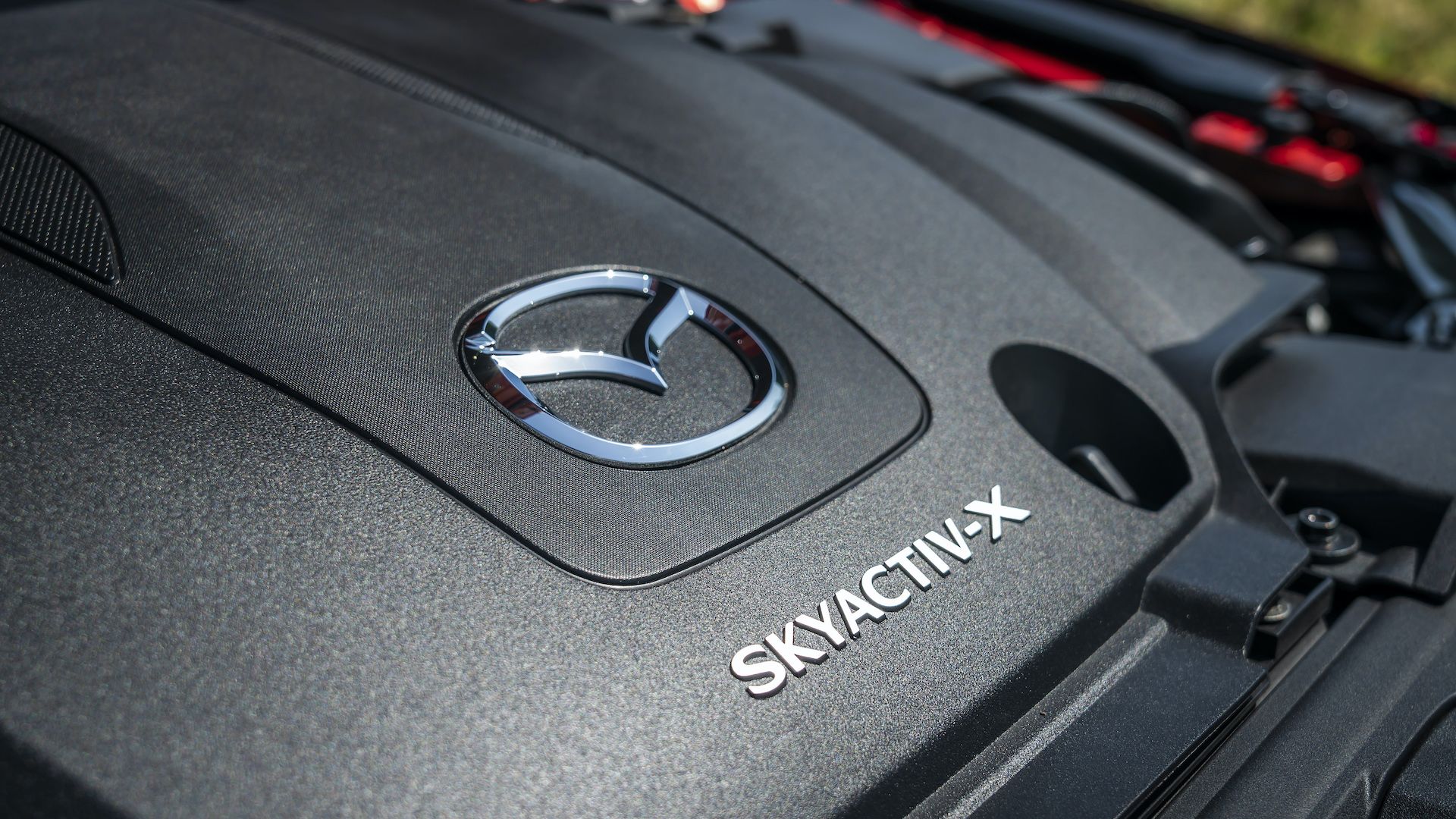
For over two decades, automakers chased a gasoline engine that could ignite fuel through compression alone, like a diesel. Mazda claimed it had solved the puzzle with Skyactiv-X, unveiled in 2017 and positioned as a game-changer for internal combustion as electric cars gained ground.
The technology finally reached production in 2019, debuting in Europe's Mazda3 and later the CX-30, but it never made it to American showrooms. Now, Mazda is quietly phasing it out, with a replacement already planned.
0:1 with a mild hybrid system. The spark plug didn't fully ignite the fuel; instead, it created a shockwave to control combustion, allowing a leaner mixture and more complete burn. But real-world results fell short.
5-liter Skyactiv-G offered 186 hp with the same torque. Even after adding a 24-volt motor, output only rose to 183 hp and 177 lb-ft. Fuel economy improved by just 9% on the WLTP cycle, with the Skyactiv-X Mazda3 managing 36 mpg versus the standard model's 30 mpg under EPA testing.
Worse, the tech would have added a 27% premium over the base engine, and it required high-octane fuel at all times to avoid knock.
Mazda told Automotive News it worried Americans wouldn't accept less power than they were used to. A planned six-cylinder Skyactiv-X never materialized. Now, Mazda's upcoming Skyactiv-Z engine, using a 'lambda one' combustion method for lean-burn efficiency, is set to replace both Skyactiv-G and Skyactiv-X.
Mazda has cited US emissions standards in its plans, suggesting the new engine may finally reach American buyers.
Source: CarBuzz
Plain-English guides to common problems and what they cost in Boca Raton, plus local shops.