Mazda’s $75 Million Bet on a Lexus Rival That Never Made It Past the Drawing Board
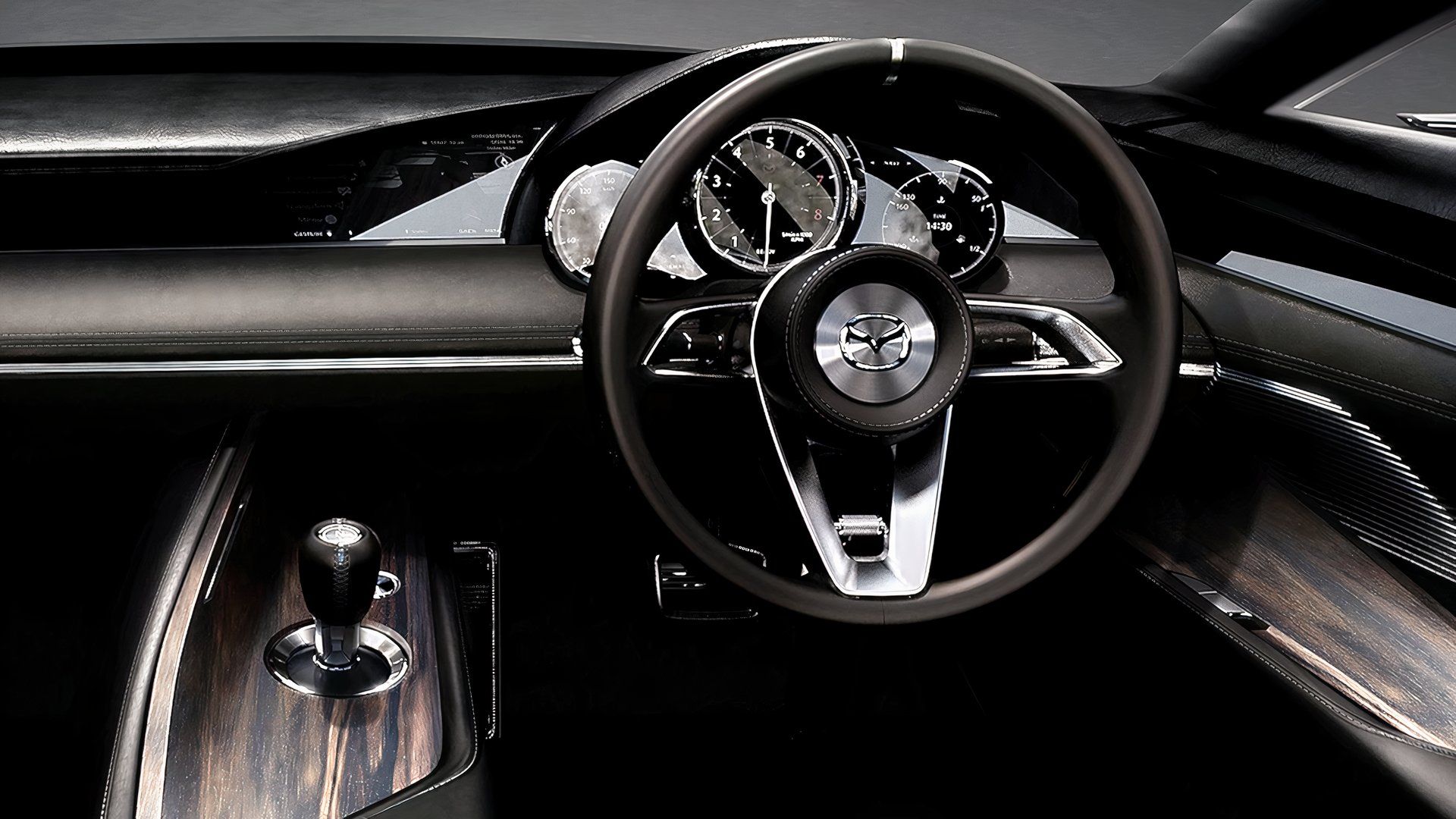
For decades, Mazda has lived in the shadow of Toyota and Honda, known for quirky innovations like the rotary engine and beloved cars such as the Miata. But in the late 1980s, flush with cash from Japan’s booming economy, Mazda set its sights higher. It wanted to build a luxury brand that could take on Lexus, Infiniti, and even Mercedes-Benz.
The name of that dream? Amati.
Codenamed “Project Pegasus,” Amati was officially announced in 1991 with plans for three sedans targeting BMW’s 3, 5, and 7 Series. The flagship, the Amati 1000, was to be a V12-powered beast, built by essentially mating two Mazda V6 engines. Designers envisioned a sleek, Porsche 928-inspired look with covered rear wheel arches.
S. dealerships and spent $75 million on advertising. But then Japan’s economic bubble burst.
By October 1992, with a global recession looming and luxury car sales softening, Mazda pulled the plug. The V12 tooling at the Hofu plant was scrapped, the ad campaign shelved, and the entire Amati staff laid off. The failure left Mazda financially wounded, forcing Ford to increase its stake in the company.
Amati never sold a single car. Today, Mazda is trying a more modest approach to luxury with models like the CX-90, but the dream of Amati remains a fascinating what-if in automotive history.
Source: CarBuzz
Plain-English guides to common problems and what they cost in Boca Raton, plus local shops.