Mazda Patent Suggests Rotary Engine Still Has Life Left
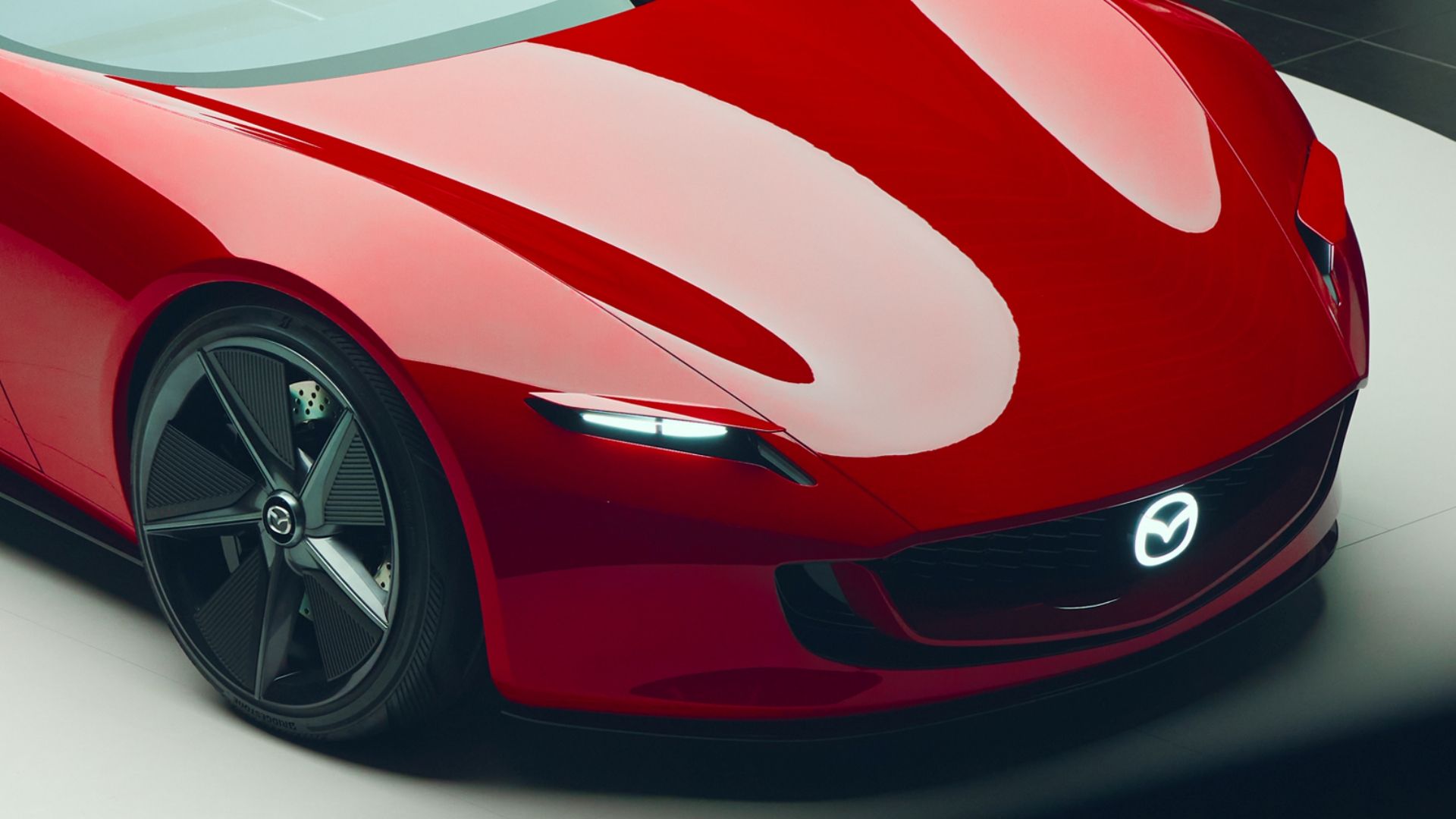
Mazda has been talking about its Wankel rotary engine since the first model hit the road in 1967, and a newly discovered patent suggests the company isn't done with the design yet. The patent, filed with the US Patent & Trademark Office, describes an emissions system that could bring the rotary up to modern standards.
The invention splits exhaust flow from the engine's two types of ports. The high-volume, high-temperature side port would route directly to a turbocharger for more power, while the cooler peripheral port air would travel through internal passages to an EGR cooler. This setup uses the engine's coolant to lower temperatures further, and because the flow stays inside the block, it avoids bulky external tubes.
When EGR isn't needed, such as during high power output, the system sends the air to the secondary catalytic converter, though the patent doesn't explain why it skips the first one. The goal is to boost power with the turbo while reducing harmful nitrogen oxide emissions and improving fuel efficiency.
Mazda's rotary engines have historically avoided EGR systems, except for a brief period in the early 1990s, relying instead on the design's natural quirks. That approach no longer meets current standards, prompting this new solution.
It's worth noting that patent filings don't guarantee production, and they're often used purely to protect intellectual property. Still, the company's ongoing efforts suggest engineers haven't abandoned the rotary dream, even if past attempts have faced challenges like oil consumption, apex seal wear, and high fuel use.
For now, the patent keeps hope alive.
Source: CarBuzz
Plain-English guides to common problems and what they cost in Boca Raton, plus local shops.