Kia Sportage vs Hyundai Tucson: The $660 Difference and a Fuel-Economy Edge for Kia
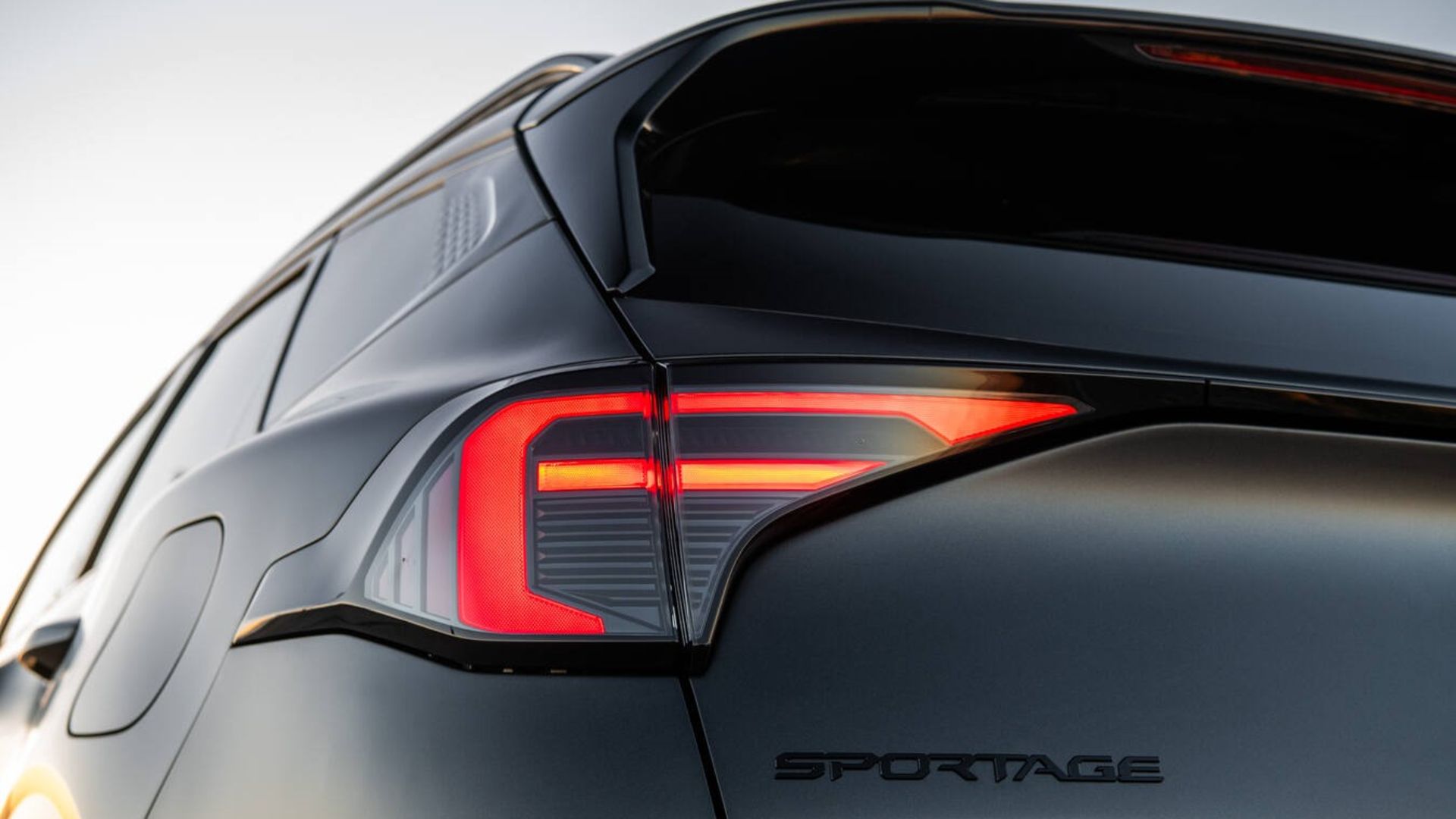
Although the Kia Sportage and Hyundai Tucson are corporate cousins on the same platform, with shared engines and a class-leading warranty, they are not clones. The Sportage has a bolder, angular look, while the Tucson is sleeker and more subdued. Base pricing also favors the Kia by $660.
Mechanically, the two compact SUVs are nearly identical. Gas models use a 2.5-liter four-cylinder with 187 horsepower, hybrids pair a 1.6-liter turbo with 231 hp in the Tucson and 232 hp in the Sportage, and plug-in hybrids make 268 hp. Towing is 2,000 pounds across the board.
The Sportage pulls ahead on fuel economy. A front-drive Sportage Hybrid returns 40/42/41 mpg, while the most efficient Tucson Hybrid Blue gets 38/38/38. The Sportage PHEV manages 33 miles of electric range and 83 MPGe, compared with 32 miles and 77 MPGe for the Tucson PHEV.
The Tucson has more front headroom and more cargo space with the rear seats folded, while the Sportage offers more room behind the second row. Legroom is the same. Both earn IIHS Top Safety Pick+ honors and a five-star NHTSA rating. For reliability, the Sportage edges the Tucson 84 to 83 in JD Power’s rating and has one recall versus four.
The Tucson answers with more features. The top gas Tucson adds leather seats and heated rear seats, and the range-topping Tucson PHEV costs $48,550 versus $47,390 for the Sportage X-Line Prestige. The priciest Tucson Hybrid is $41,825, while the Sportage Hybrid tops out at $40,690.
The verdict: Buy the Tucson if you want a refined, feature-filled family SUV. Buy the Sportage if efficiency, reliability, and value matter most.
Source: CarBuzz
Plain-English guides to common problems and what they cost in Boca Raton, plus local shops.