Japan’s Automakers Consider Unprecedented Parts-Sharing Plan to Stay Competitive
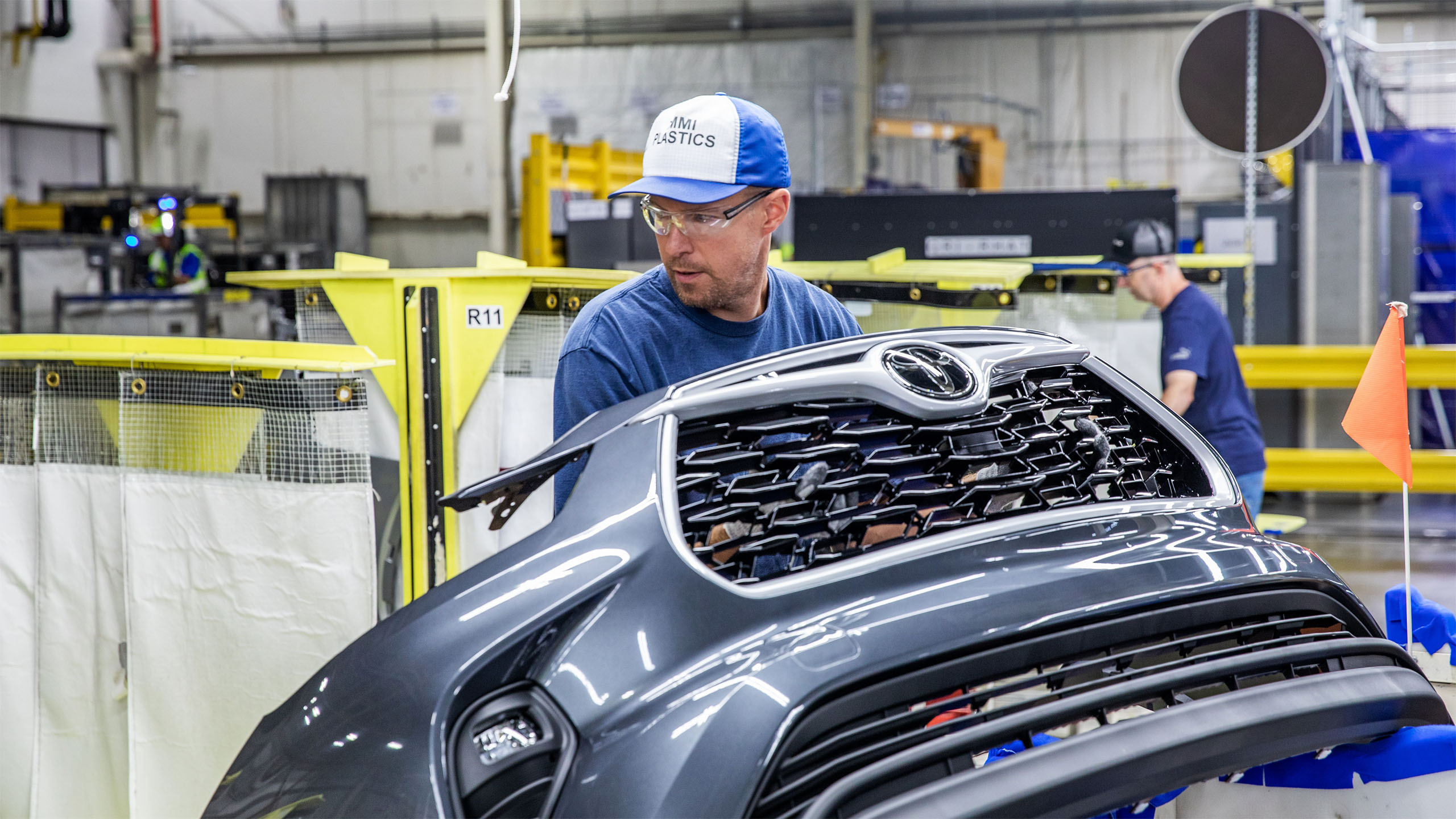
Japanese automakers, led by Toyota CEO Koji Sato, are exploring a sweeping proposal to standardize common car parts across competing manufacturers, a move that could reshape how the country’s auto industry develops and builds vehicles. The idea, discussed by Sato in his role as chairman of the Japanese Automobile Manufacturers Association (JAMA), would see companies like Honda, Nissan, Mazda, Subaru, Mitsubishi, and Suzuki agree on shared components for things like wiring harnesses and fluid hoses, freeing up resources for innovation in software, driver-assistance systems, and faster-charging EVs.
, who have moved faster on electrification and tech integration. “We have a strong sense of crisis that the Japanese auto industry is in a massive period of transition,” Sato said, noting that collaboration could help the industry survive and thrive. Nissan CEO Ivan Espinosa echoed that sentiment, telling reporters that other countries’ industries are “better organized” and that Japanese OEMs need to work together more closely.
The plan stops short of sharing visible parts like sheet metal or frame components, focusing instead on the unseen bits that often drive up costs and complexity.
For car enthusiasts, the idea of more shared parts may sound like a recipe for blandness, think badge-engineering on a national scale. But proponents argue the move would let each brand focus its engineering talent on what buyers actually care about: unique styling, driving feel, and cutting-edge features.
And for DIYers, having interchangeable parts across brands could make repairs simpler and cheaper. While the long-term impact remains uncertain, one thing is clear: Japan’s auto giants are betting that collaboration, not competition, is the key to staying relevant in a rapidly changing industry.
Source: The Drive
Plain-English guides to common problems and what they cost in Boca Raton, plus local shops.