Jaguar I-Pace Tops Charts for Fastest Depreciation, Losing Over 72% in Five Years
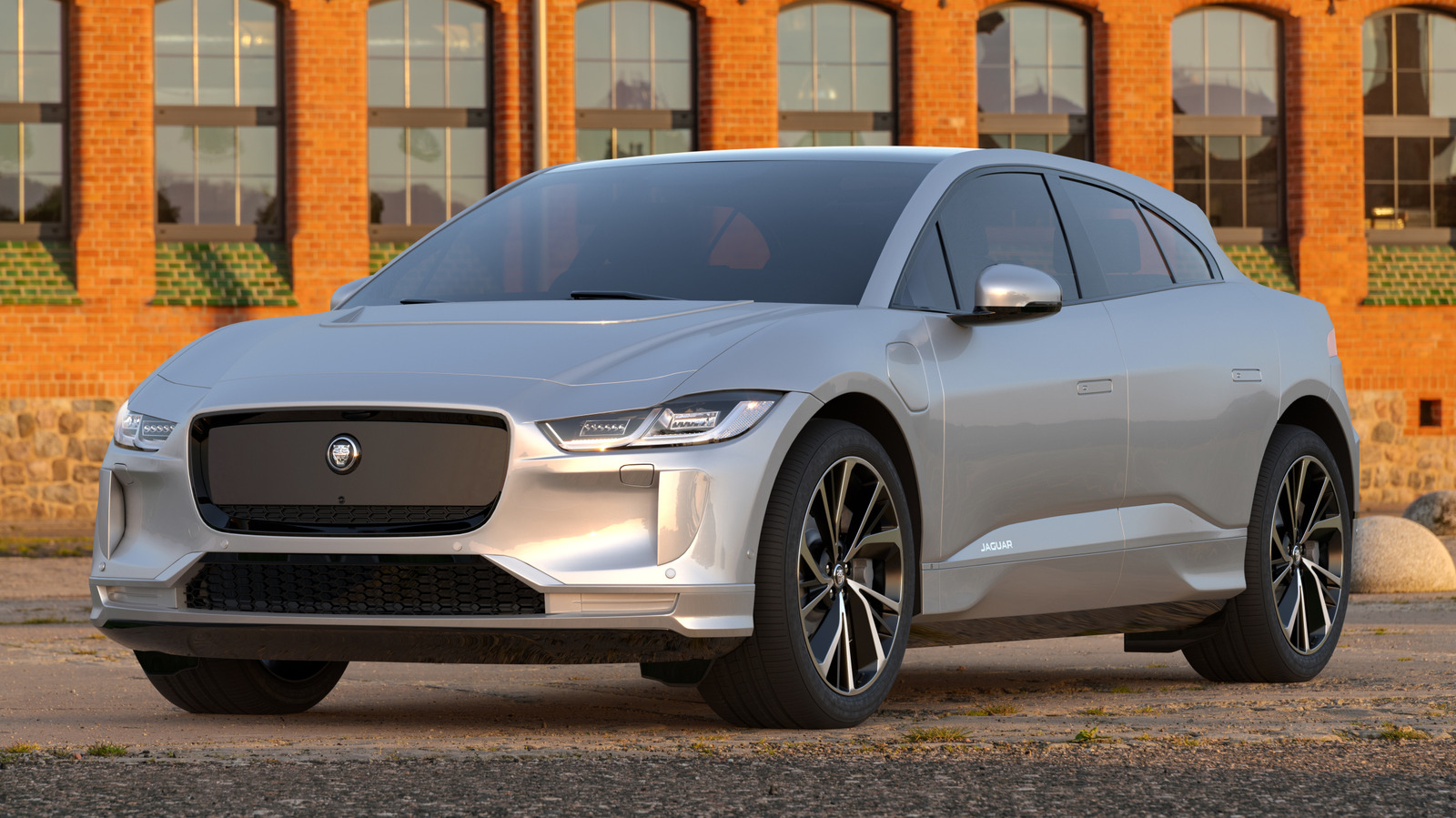
The Jaguar I-Pace, launched in 2018 with a dual-motor setup producing 394 horsepower and 513 pound-feet of torque, has become the fastest-depreciating car in a recent study. S. S. production run sales stayed under 12,000.
2% of its original MSRP. 8% for electric models. 1% loss, still 5 percentage points better than the Jaguar. A typical five-year-old car lost $17,395, meaning the I-Pace shed about three times that amount.
Other valuation sources echo the trend. CarEdge calculates a 71% loss over five years, leaving $21,598 of a $73,688 purchase price, assuming 13,500 annual miles and good condition. A 2020 model retains only about 29% of its original sticker. Kelley Blue Book shows a 2020 I-Pace losing $19,775 in three years, a 53% drop, with resale at $16,900 and trade-in at $15,300.
Auction results support this: a 2019 example with 98,000 miles sold for $16,250 on Cars & Bids in May 2024, $71,269 below its new price. Even 2024 models are down to 48% of original value after two years, losing $35,675.
Several factors explain the steep decline. The I-Pace's 90 kWh battery offers 246 miles of EPA range and tops out at 100 kW DC fast charging, figures that were competitive in 2018 but outdated by 2024. Newer EVs like the Porsche Macan Electric pack roughly 95 usable kWh and deliver 288-315 miles, with charging speeds up to 270 kW.
Jaguar Land Rover ended production at Magna Steyr's Graz plant in December 2024. S. fires. By end of 2024, 2,794 examples of the 2019 model year were headed for buyback, and NHTSA recall 26V067 in February 2026 pulled in another 2,278 cars from 2020-2021. A permanent fix is still unavailable, with affected cars limited to 90% charging via software patch.
These issues, combined with aging tech and halted production, give used buyers little confidence, and the market has responded accordingly.
Source: Jalopnik
Plain-English guides to common problems and what they cost in Boca Raton, plus local shops.