If You Sold Your Car Without Transferring the Title. It May Still Be Yours
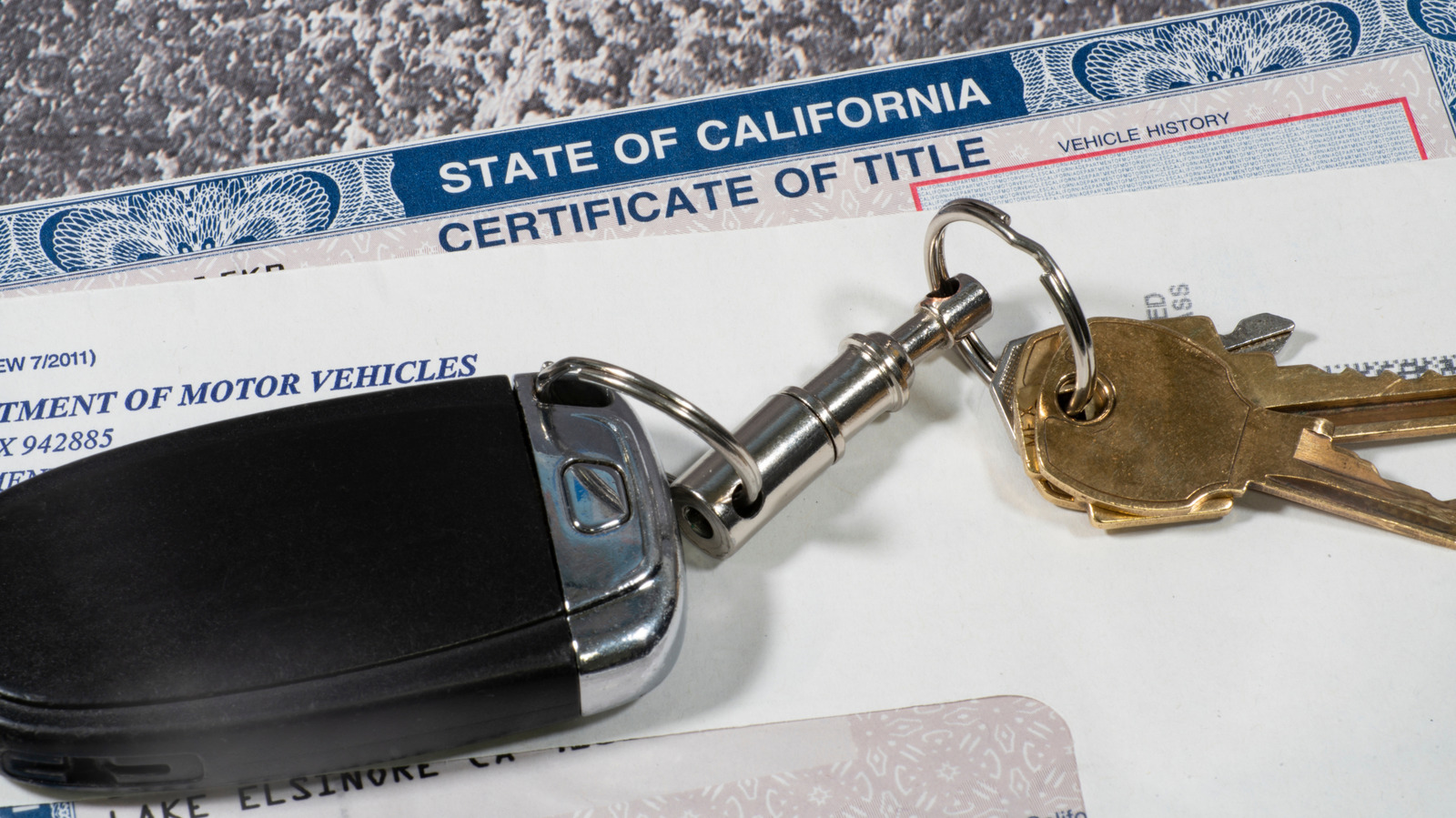
Selling a car takes work: advertising, cleaning, prepping, fielding haggling buyers, and taking precautions with strangers. Most people keep cars for more than ten years, so selling is rare. The title proves ownership, so if the buyer never transfers it, the car is still technically yours.
Skipping that step is called title jumping. Buyers may do it to avoid registration fees, transfer costs, sales tax, and parking tickets, moving violations, or liability.
The best defense is handling paperwork on sale day. California gives sellers five calendar days after handing over the vehicle to notify the DMV; Texas allows 30 days from the sale date. Rules vary, so check your state DMV. Filing on time helps: California Vehicle Code §5602 says sellers who complete required steps are no longer treated as the owner, and Texas won't pursue sellers for parking tickets or toll violations once notification is filed.
Notifying isn't transferring. California says the record keeps your name unless the buyer applies with the endorsed title. Texas recommends keeping buyer contact details, sale date, and VIN. Travis County prefers both buyer and seller present when the title is processed.
If fines arrive, act. Start with the buyer; many cases are procrastination, not fraud. If that fails, file the notice again. Texas says a late filing doesn't guarantee release, but it puts the transfer on record and provides confirmation by email or Form VTR-275. In California, repeated renewal notices mean paperwork never landed; Form INF 70 can retrieve what was submitted for a fee.
These steps don't close the file; the buyer must do their part. In court, filings are evidence, not a get-out clause. A judge, not the DMV, decides if the seller met the requirements. Best move: make sure the transfer happens on sale day.
Source: Jalopnik
Plain-English guides to common problems and what they cost in Boca Raton, plus local shops.