Hybrid Cars: Are They Really Cheaper Than Gas? We Did the Math
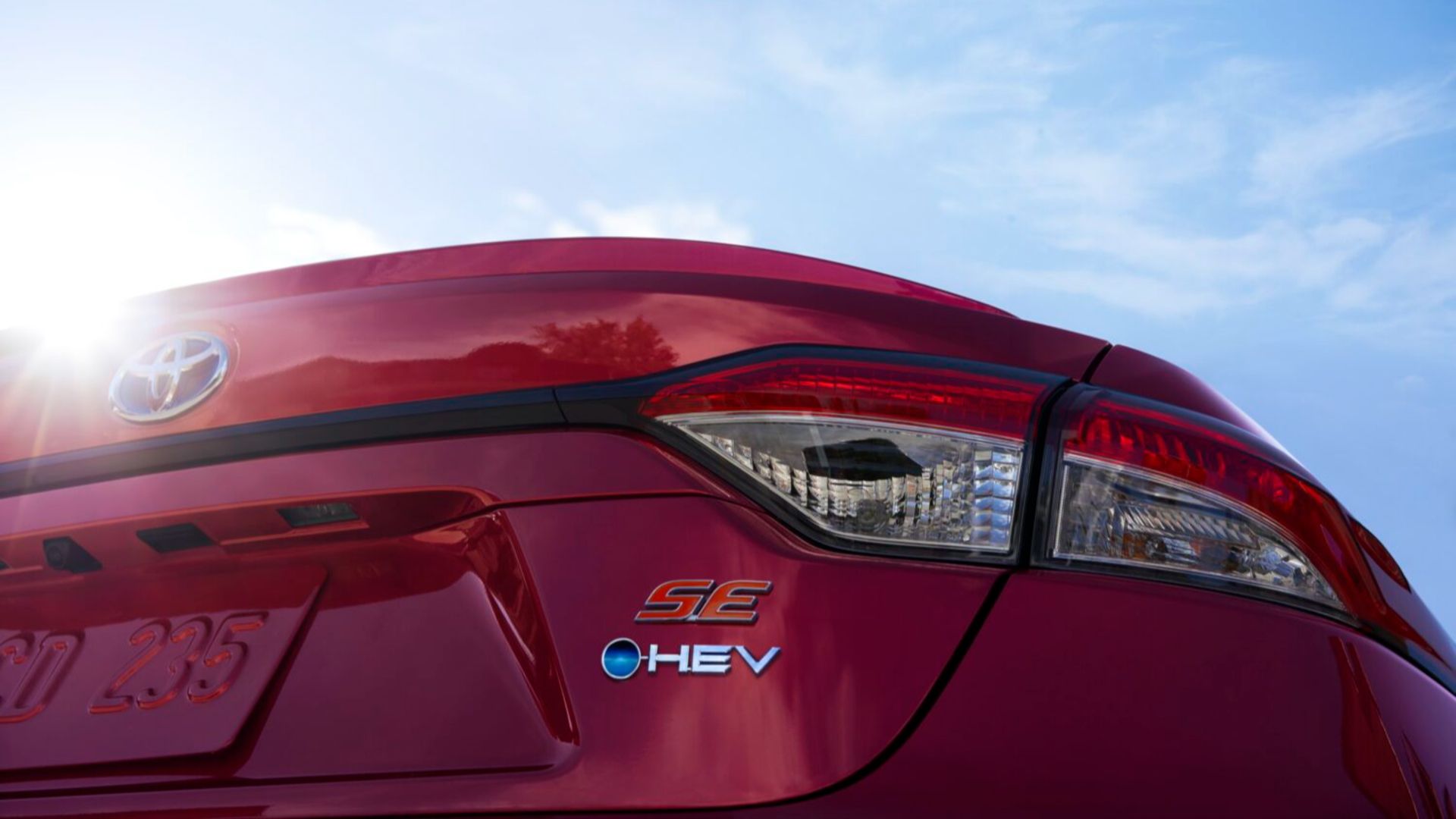
94 nationally and topping $5 on the West Coast, hybrids are looking like a smart bet. But with federal tax credits gone for most models, the question is whether the extra upfront cost eats up any savings at the pump. We crunched the numbers on five top-selling models available in both gas and hybrid versions for 2026 to find out.
On average, hybrids cost $4,309 more than their gas counterparts. A Ford F-150 hybrid runs $5,865 extra, while a Toyota Tacoma hybrid adds $6,420. Smaller cars are closer: a Honda Civic hybrid costs $2,700 more, and a Toyota Corolla hybrid is just $1,850 above the gas version. Using EPA data and assuming 15,000 miles a year, we found hybrid buyers save about $490 annually on fuel.
The F-150 saves $500, the Civic saves $600, and the Tacoma saves just $250.
But here’s the catch: it takes the average driver nearly 11 years to recoup that price difference. 5 years. A Tacoma hybrid? More than 25 years. Pickups need the hybrid boost most, the gas F-150 gets just 20 mpg combined, but the hybrid version only adds 4 mpg. Meanwhile, the Civic already gets 36 mpg combined and barely needs the upgrade.
Hybrids aren’t just about fuel savings. They often deliver more power, the hybrid Civic jumps from 150 to 200 horsepower, and they’re easier on brakes and engines thanks to regenerative braking and less stop-start wear. They also hedge against future gas spikes. Our advice: run the numbers on any model you’re considering.
A hybrid makes sense if you keep your car a long time. Otherwise, a used compact or a gas model might be the smarter buy.
Source: CarBuzz
Plain-English guides to common problems and what they cost in Boca Raton, plus local shops.